
Poker News


News
17:31, Jun 08
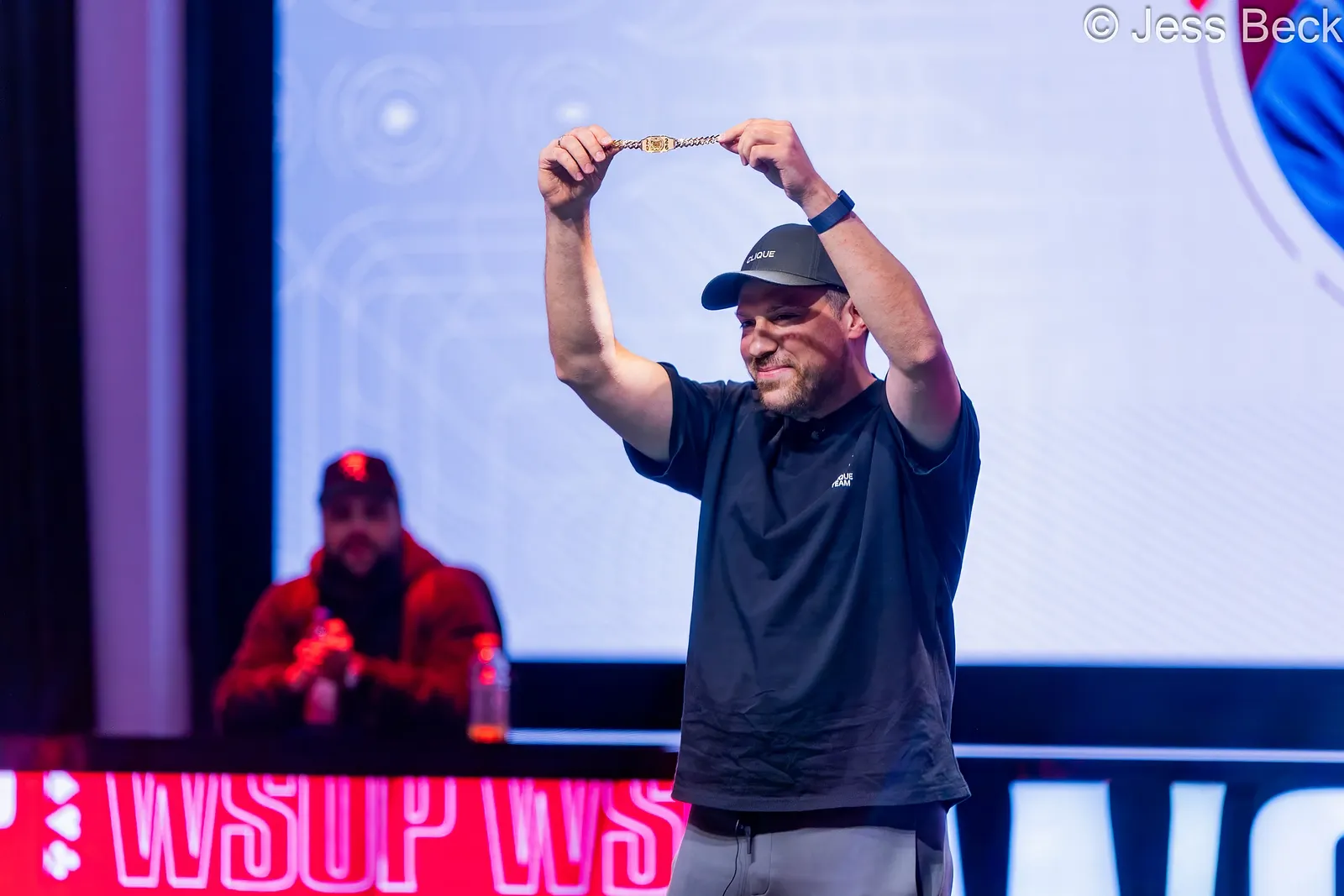
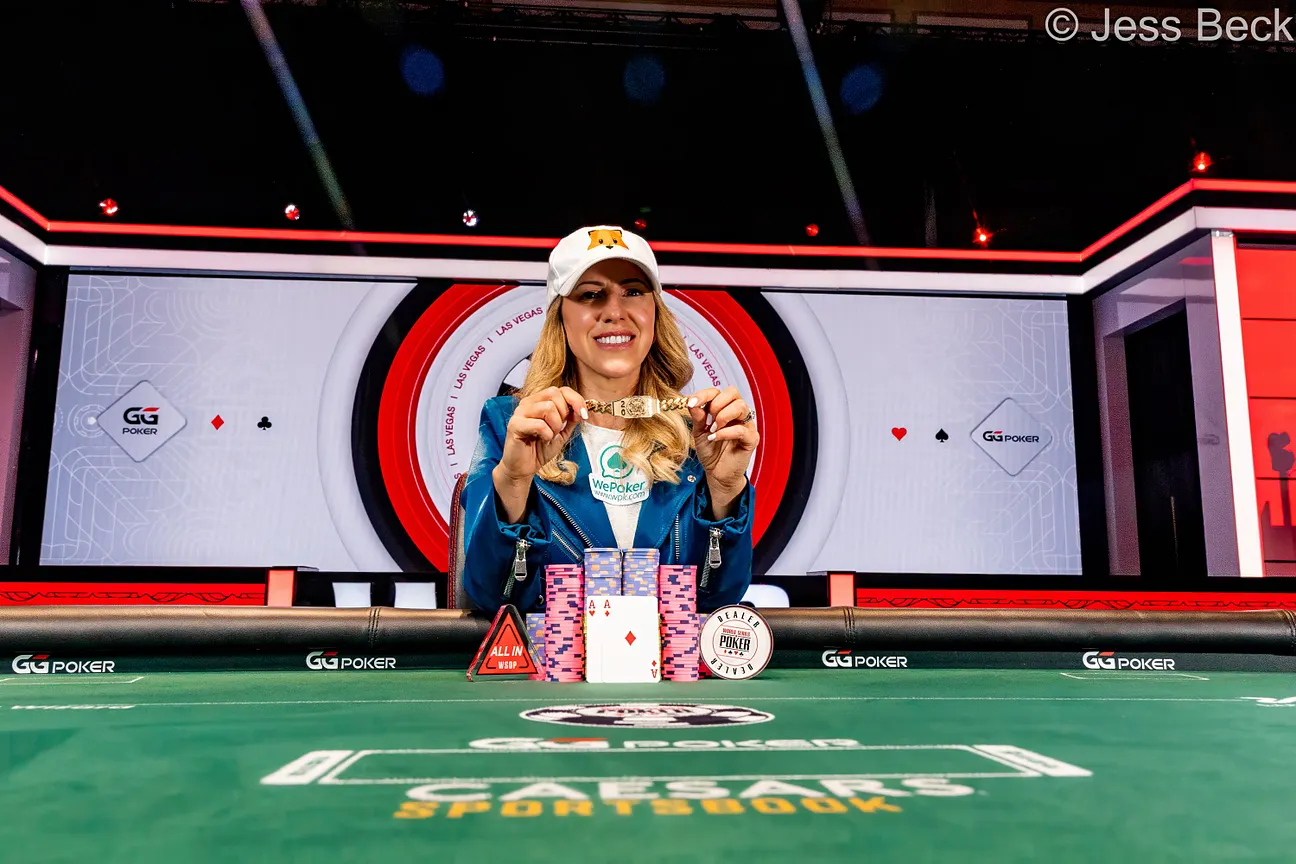
Kristen Foxen Wins Sixth Bracelet, Naoya Kihara Captures Second WSOP 2026 Title

News
17:25, Jun 08
Best Online Poker Room Promotions in June 2026

News
13:07, Jun 08
It’s Time for the Sun Run at ACR Poker!
News
16:49, Jun 07
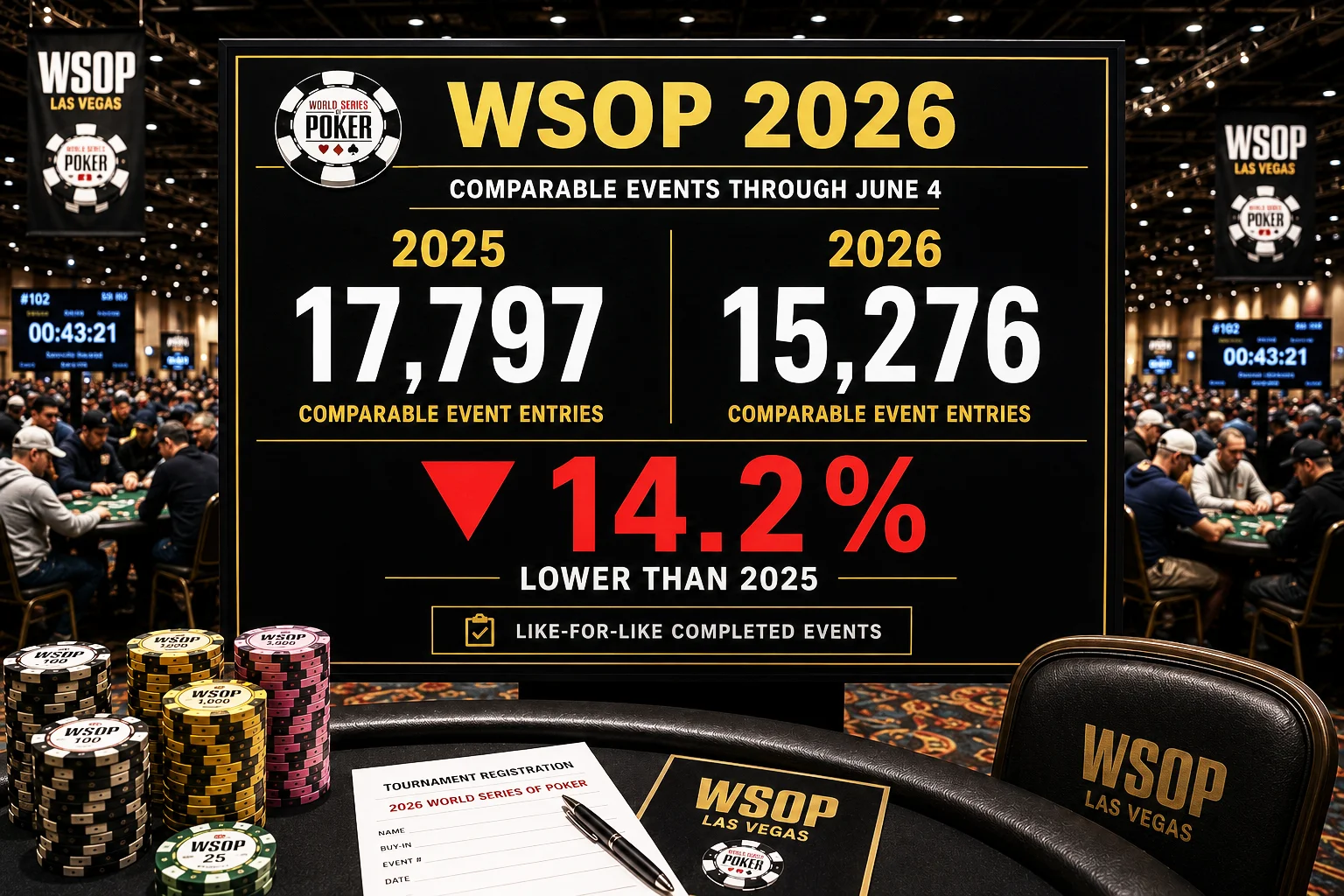
WSOP Week 1 Trends, News, and Notes

News
17:35, Jun 06
Chip And A Chair Are All Naoya Kihara Needs To Win A WSOP Bracelet
News
11:29, Jun 06
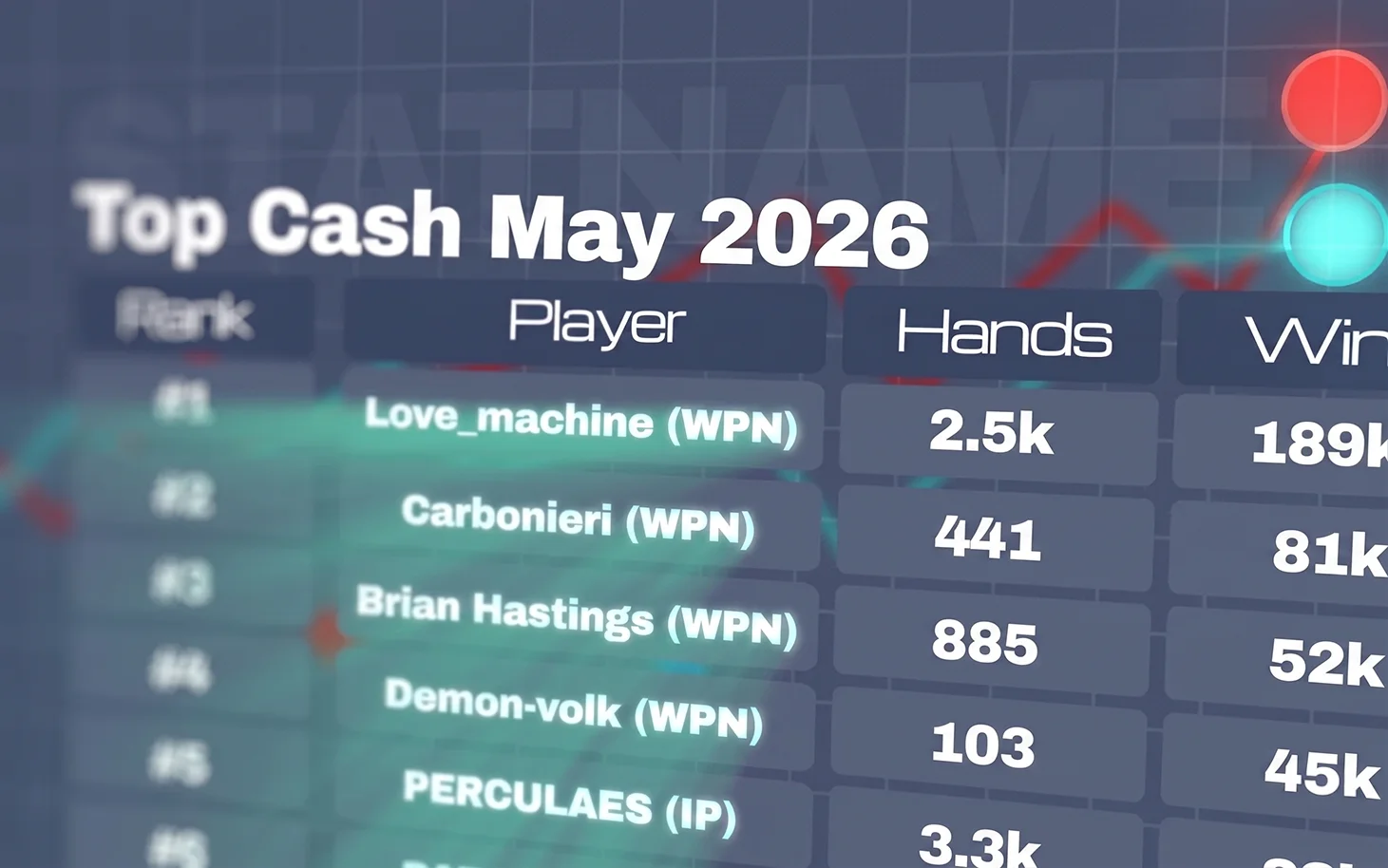
Top Cash Game Players May 2026

News
10:12, Jun 05
WPT Global Introduces Grand Prix Europe Daily Crown

News
09:13, Jun 05
PokerStars on FanDuel Misses June 3 Ontario Launch

News
07:44, Jun 05
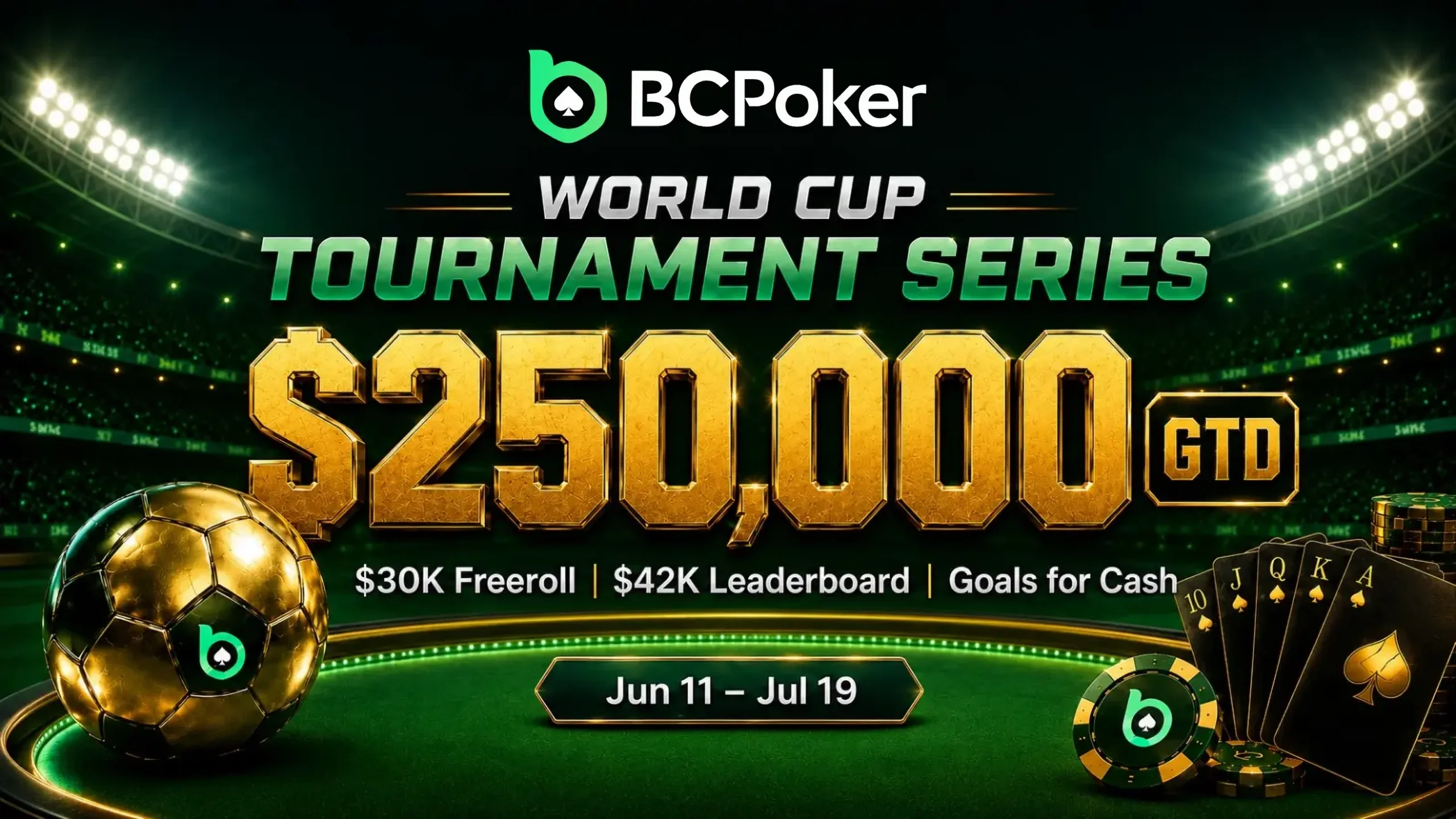
RedStar Poker Announces Even More Football-Related Promotions!
News
11:11, Jun 04
Cash Daily Quests Give JackPoker Players Fresh June Missions
News
10:50, Jun 04
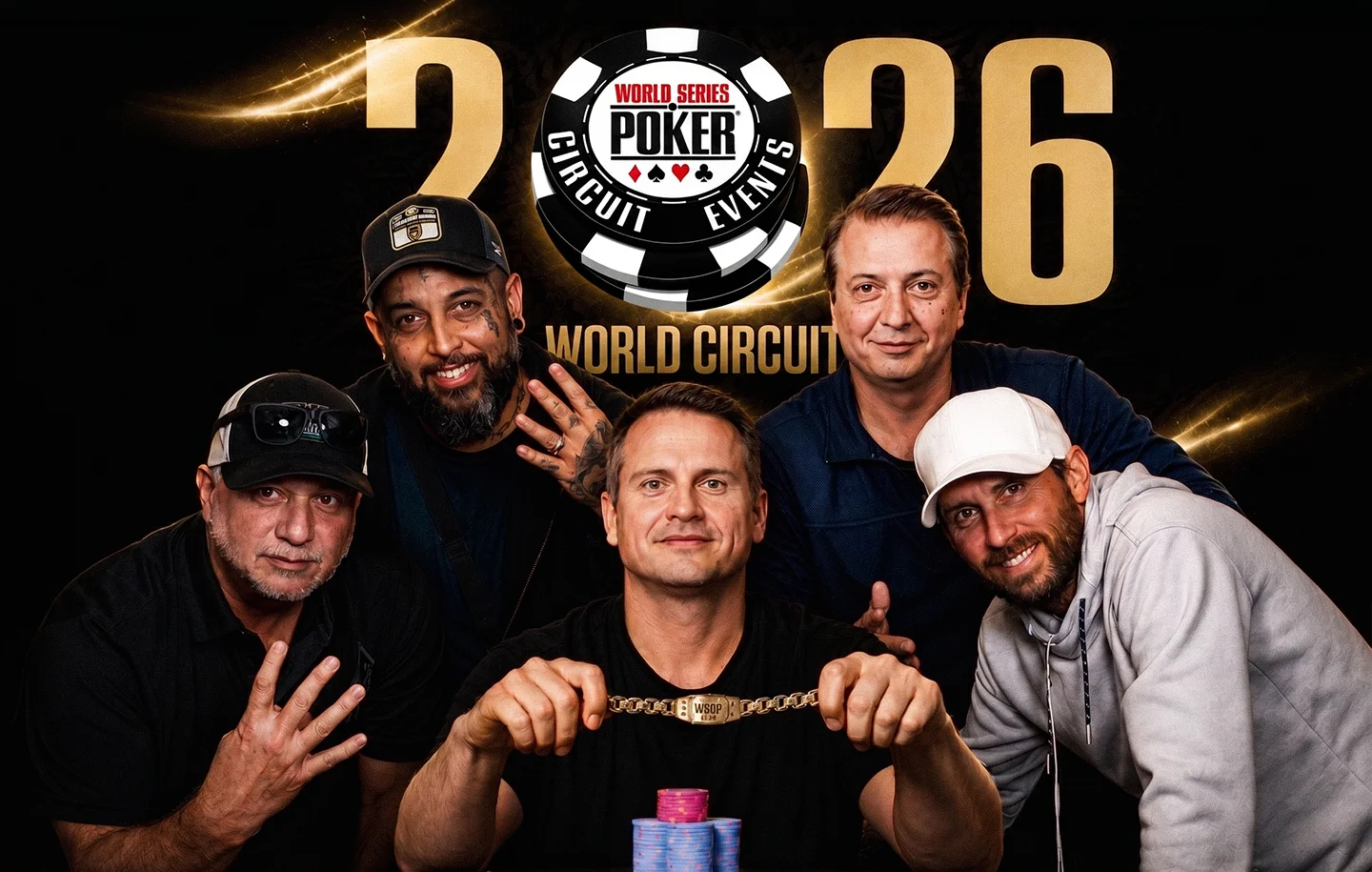
Dimitar Danchev Wins Second Career Bracelet In $25K Heads Up NLH Championship
News
14:25, Jun 03
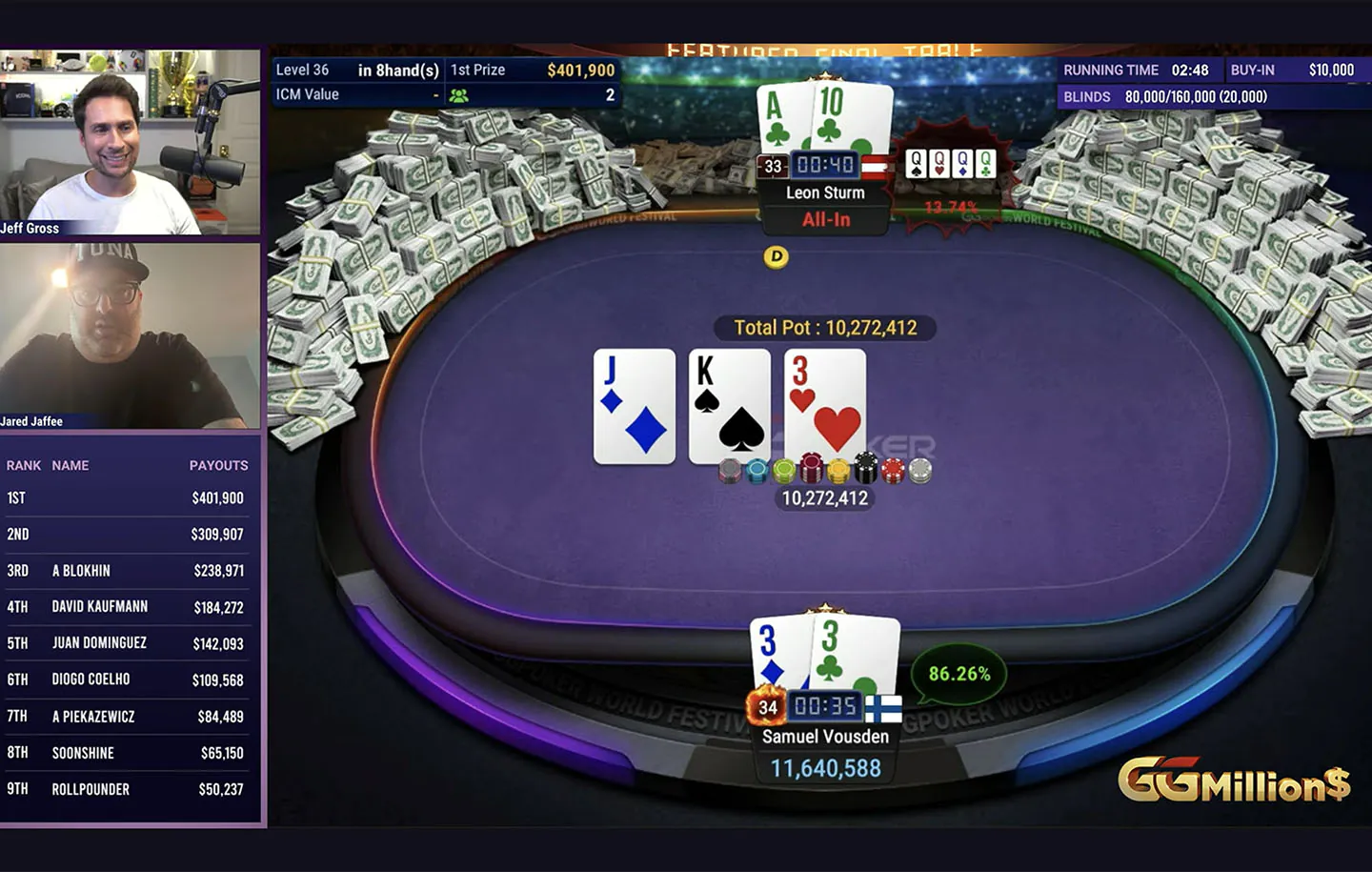
Samuel “€urop€an” Vousden Wins GGMillion$ For The Seventh Time
News
12:58, Jun 03
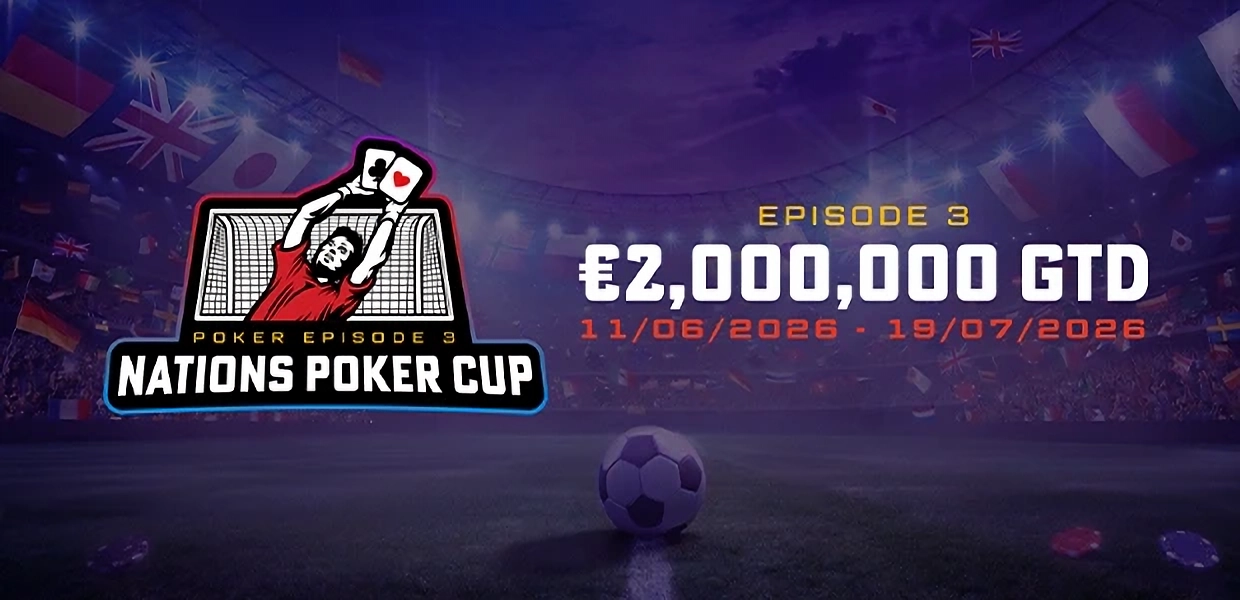
RedStar Poker Has Something Big in Store for the World Cup 2026

News
06:46, Jun 03
Erik Põlluveer Becomes a Champion of the SiGMA Poker Tour Malta 2026
News
09:12, Jun 09
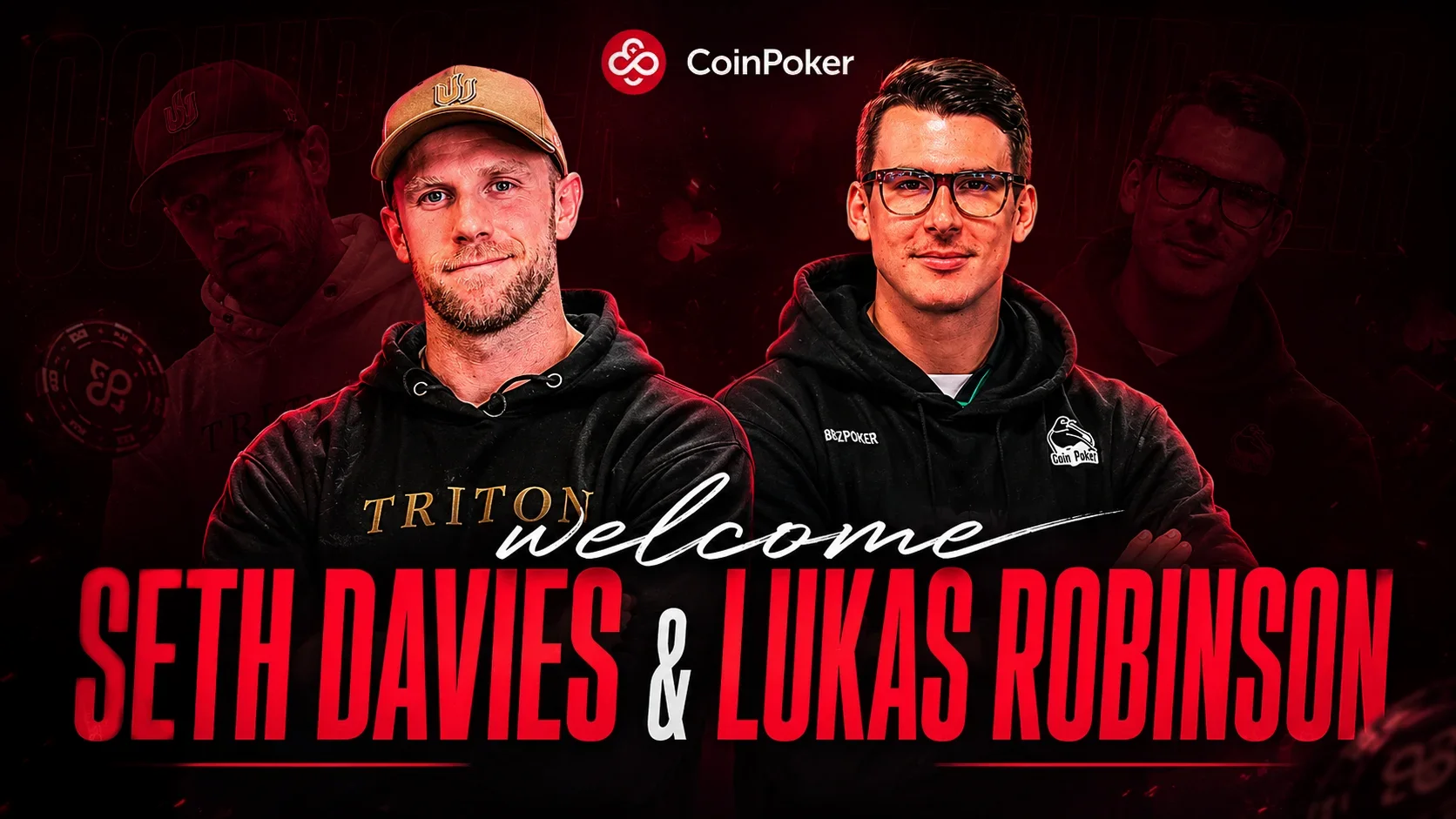
Seth Davies and Lukas Robinson Partner up With CoinPoker
News
09:37, Jun 02
PokerStars on FanDuel Ontario Launch Back on Track for June 3
News
21:08, Jun 01
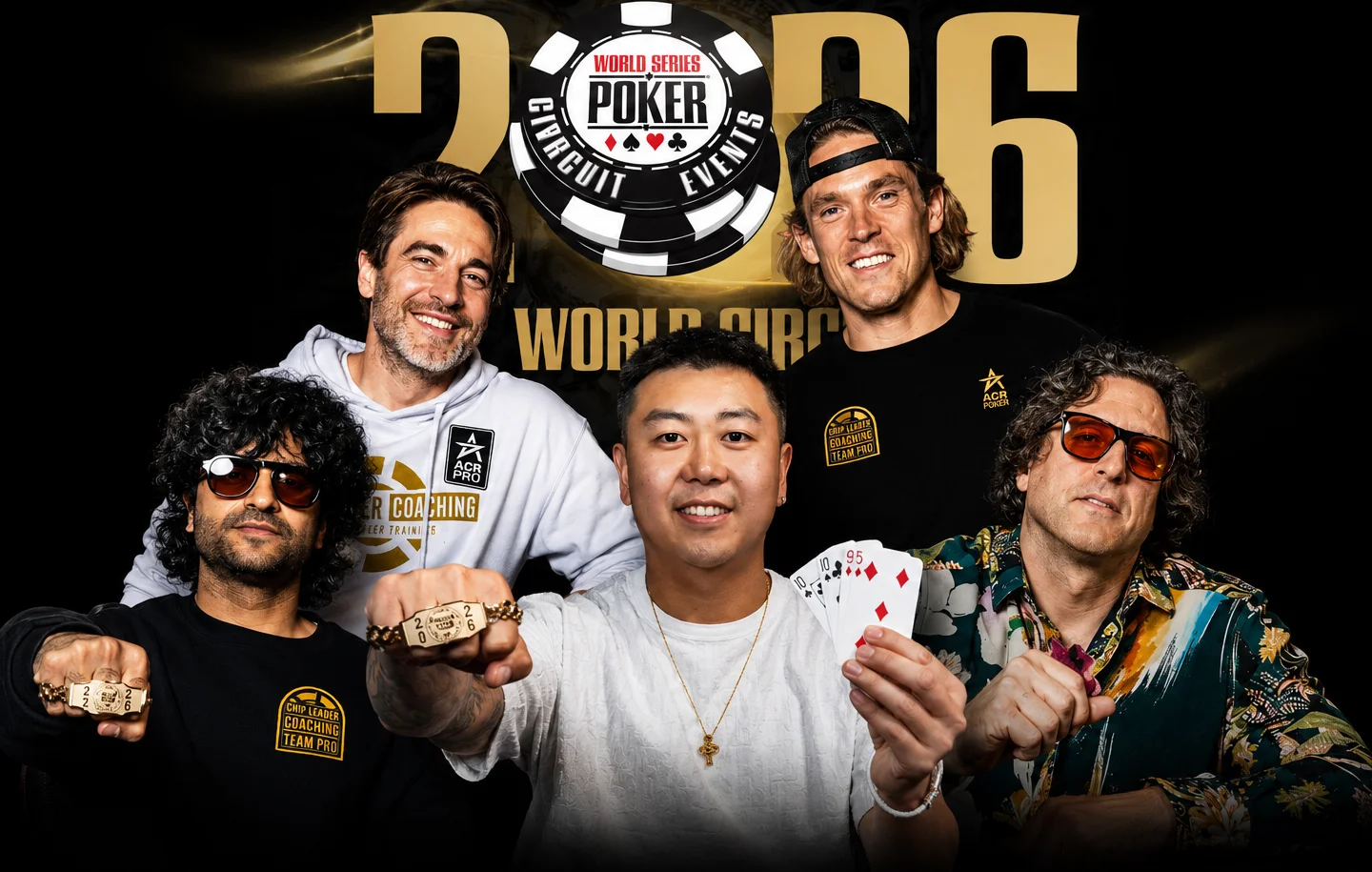
WSOP First Week Recap: Gheba, Daly, Wang, Cheung, And Casella Win Bracelets
News
19:11, Jun 01
JackPoker Introduces the Spinero Festival!
News
14:22, Jun 01
Italians Crushed SPT Malta 2026 Over the Weekend
News
17:48, May 31
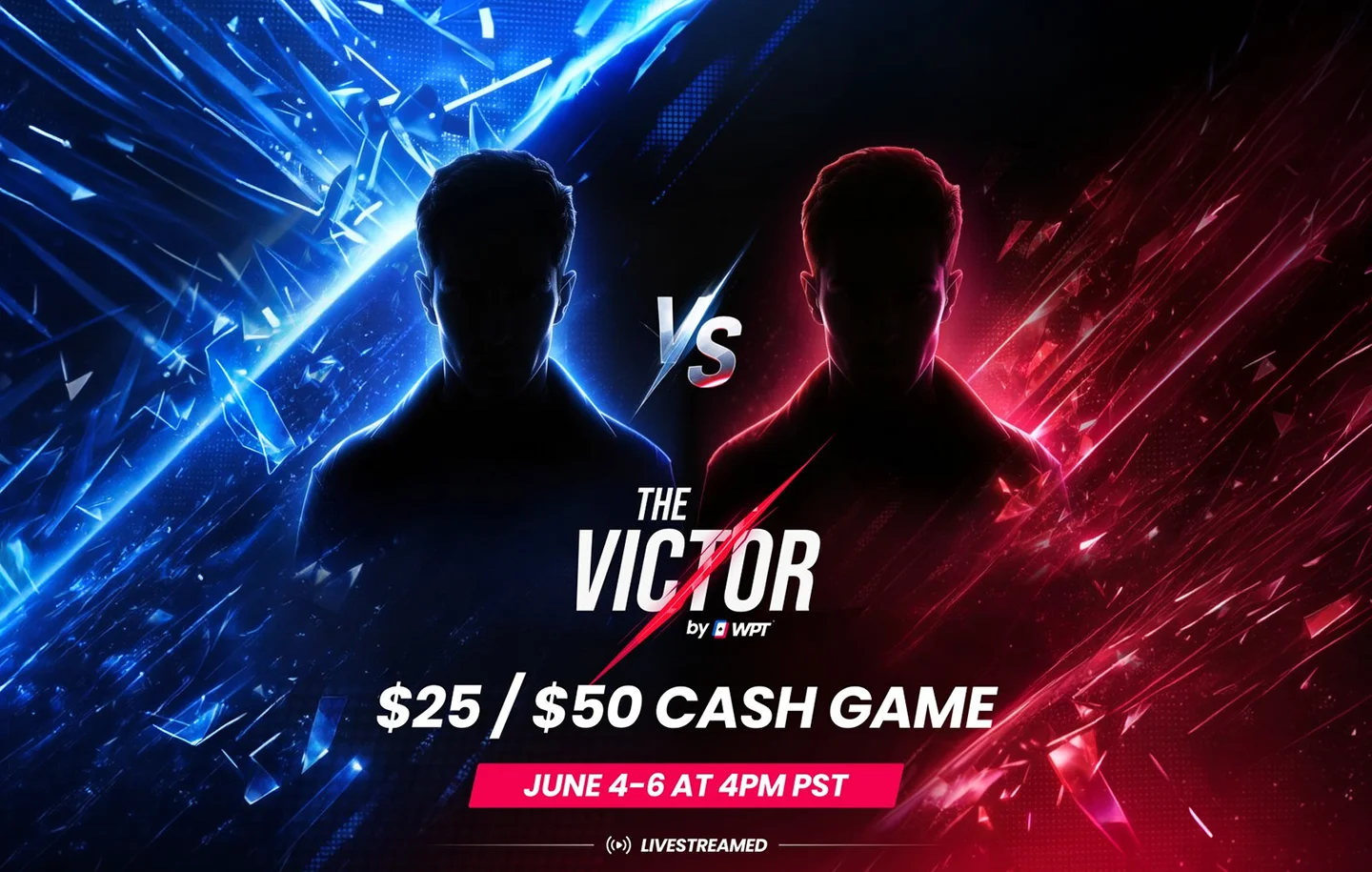
The Victor: New Cash Show by WPT
News
13:58, May 30
A Live Poker Update: June 2026

News
16:24, May 29
Jerome Neppl Wins First WSOP 2026 Bracelet In $500 Industry Employees NLH

News
14:21, May 29
Daniel Dvoress Sets New Triton Record By Winning Three Tournaments In One Series

News
13:48, May 29
Rapid CashDrop Hit JackPoker for Another Week
For nearly two decades PokerListings has been covering the biggest moments in poker – from the legendary WSOP 2006 in Las Vegas to the shock of Poker Black Friday in 2011 and the launch of the first fully legal US online poker room. Today, we continue that tradition with fresh daily updates, breaking news, tournament coverage, player stories, and expert insights that keep you connected to the fast-moving poker world.