
 EN
EN  DE
DE Best Online Blackjack Casino Sites for Real Money in the US 2026
If you’re searching for the best real money online blackjack in 2026, this guide is your starting point. We highlight licensed US online blackjack sites with fast payouts, fair rules, and strong mobile support. Below you’ll find trusted casinos to compare blackjack tables, bonuses, and limits.
-
18+ | Play Responsibly | T&C Apply
-
18+ | Play Responsibly | T&C Apply
-
18+ | Play Responsibly | T&C Apply



 PokerListings








Best Blackjack Online Casinos
Our content may include affiliate links, and we may earn a commission from registrations and deposits made through them. However, it's important to note that PokerListings only endorses licensed casinos that follow the necessary regulations. We do not promote any site that has not passed our thorough evaluation and testing process.
18+ | Play Responsibly | T&C Apply


18+ | Play Responsibly | T&C Apply


18+ | Play Responsibly | T&C Apply


18+ | Play Responsibly | T&C Apply



21+ | Play Responsibly | T&C Apply



18+ | Play Responsibly | T&C Apply


18+ | Play Responsibly | T&C Apply



18+ | Play Responsibly | T&C Apply



18+ | Play Responsibly | T&C Apply

18+ | Play Responsibly | T&C Apply


Is Online Blackjack Legal in the US?
In the US, online gambling is regulated state by state. As of late 2026, real-money online casino games that include blackjack are only legal in a small group of states: Connecticut, Delaware, Michigan, New Jersey, Pennsylvania, Rhode Island, and West Virginia. To play online blackjack legally for real money, you must be physically located in one of these states, on a licensed site, and meet the minimum age requirement, usually 21.
Players elsewhere often see offshore sites that accept US traffic, but these platforms are not approved by US regulators. If you choose to gamble on an unlicensed offshore site, you take on extra risk: weaker oversight of payouts, unclear dispute resolution, and limited responsible gaming tools. For safer play, stick to regulated state sites with visible licensing, tested games, and clear complaint channels.
Why We Recommend These Blackjack Online Casino Sites
We focus on the best online blackjack sites that combine safety, fair rules, and smooth gameplay. Every recommendation must pass checks on licensing, banking, support quality, and overall blackjack experience.
- Full licensing and regulation – Only legal, state-approved platforms with clear ownership and oversight.
- Fair rules and strong RTP – Standard blackjack rules, transparent payout tables, and audited game results.
- Reliable payments – Fast, predictable withdrawals with clear limits and no hidden fees.
- Quality blackjack lobbies – Multiple tables, various stakes, and top-rated blackjack variants for different player levels.
- Responsive support – Live chat and email teams that actually resolve account, bonus, or payout issues.
- Mobile-friendly design – Stable apps or browser play so you can join a table in seconds on your phone.
Play Free Online Blackjack – Practice Before Betting
Free blackjack lets you test the game without risking a cent. You can play online blackjack in demo mode with no download, no signup, and no cash deposit. The rules, payouts, and decisions are the same as on real-money tables, so you can practice basic strategy, learn how hands play out, and fix common mistakes before you ever stake real money.
Best Blackjack Bonuses for US Players
US blackjack players usually start with a welcome casino bonus, such as a 100% match up to $500 on the first deposit. Some sites add extra bonus money on top or spread the offer across the first two or three deposits. Look for realistic wagering, clear game weighting, and reasonable time limits.
Blackjack often contributes at a reduced rate to wagering, sometimes only 10%–20% of each bet. That means a $10 blackjack stake might count as only $1–$2 toward clearing the bonus. Check whether low-risk patterns, like betting the minimum on many hands, are restricted or excluded in the terms.
Ongoing promos can include reload offers, cashback, and leaderboard races for regular players. These are useful if you already planned to play, not a reason to chase extra deposits. Treat every offer as a way to slightly stretch your bankroll, not a promise of profit.

Real Money vs Free Blackjack – Which Should You Play?
Free blackjack lets you practice basic strategy with zero risk, while online blackjack for real money adds pressure, rewards, and real bankroll swings. Choose free play when learning; play online blackjack for real once you trust your decisions and limits. See the key differences below.
| Aspect | Free Blackjack | Real-Money Blackjack |
|---|---|---|
| ⚠️Risk Level | No financial risk, only time invested | You can lose deposited funds on bad runs |
| 💵Bankroll Development | Practice only, no real bankroll growth | Real gains or losses shape long-term bankroll |
| 📊RTP Considerations | Same theoretical RTP, but no cash impact | RTP directly affects long-term results and variance |
| 😰Emotional Pressure | Low tension, good for calm practice | Higher tension, stronger reaction to swings |
| 🎁Bonuses | No bonuses or cashback | Access to bonuses and loyalty rewards |
| 🎯Best Use Case | Learning and fixing mistakes | Structured sessions with clear bankroll goals |
Types of the Best Online Blackjack Games
Online casinos host many types of blackjack, each with its own rules, decks, and house edge. Learning a few different blackjack formats helps you pick tables that match your style, bankroll, and skill level.
Classic & European Blackjack
Classic blackjack is the baseline version most players recognize. You aim to beat the dealer’s total without going over 21, with standard options to hit, stand, double, and split. European tables usually deal the dealer’s second card only after players act, which slightly changes risk. This blackjack variant often comes with RTP around 99.3%–99.6% under player-friendly rules and straightforward decisions, so it is a strong starting point for new players.
Atlantic City Blackjack
Atlantic City blackjack is a casino blackjack style built around player-friendly rules. It usually uses multiple decks, allows late surrender, and lets you double down after splitting. The dealer often stands on soft 17, which reduces the house edge compared to harsher rule sets. This makes it feel closer to real blackjack in New Jersey casinos, but always check the paytable and rule summary before you play.
Single Deck Blackjack
Single Deck blackjack uses only one deck of 52 cards, which can lower the house edge when paired with fair rules. Basic strategy becomes more precise, and every card dealt slightly shifts remaining odds. This format attracts many skilled players looking for the best real money value. For a blackjack player, the key is to verify rules on dealer behavior, double-down options, and payout for a natural 21 before committing to higher stakes.
Double Deck Blackjack
Double Deck blackjack runs on two combined decks, balancing speed and predictability. Fewer cards in the shoe make card distribution easier to follow than on large multi-deck games. Many online casinos offer this format with decent rules, like doubling on any two cards and limited re-splits. It often suits players who want a middle ground between tight single-deck play and looser multi-deck shoes.
Live Blackjack
Live dealer blackjack streams a real table and dealer to your screen in real time. You place digital bets, but the dealing, shuffling, and payouts happen at a physical table. Many blackjack sites offer live lobbies with multiple limits, side bets, and native-language tables. This format is ideal if you like social chat, visible cards, and a pace that feels closer to a real casino than a pure RNG game.
Blackjack Switch
Blackjack Switch lets you play two hands at once and switch the top cards between them after the deal. This creates extra decision depth and can rescue weak hands, but the rules compensate with changes like a dealer push on certain totals and reduced payouts on blackjack. It suits players who enjoy more complex choices and do not mind trading a bit of house edge clarity for a fresh twist.
Spanish 21
Spanish 21 removes all tens from the deck, leaving 48 cards per deck instead of 52. To balance this, the game adds player-favorable rules such as late surrender, liberal doubling, and bonus payouts for specific 21 combinations. The strategy chart here is different from standard blackjack, so you should learn dedicated Spanish 21 guidance rather than using a generic chart meant for regular decks.
Multi-Deck Blackjack
Multi-Deck blackjack uses four, six, or eight decks in a single shoe. This structure makes individual cards less impactful and reduces the value of tracking composition changes. Many of the best online casinos rely on multi-deck shoes for their main tables, pairing them with standard rules like doubling on any two cards and splitting pairs up to three or four times. These games suit steady, long-session play with basic strategy.
Blackjack Multi-Hand
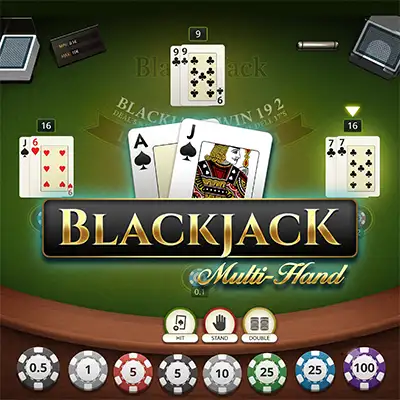
Blackjack Multi-Hand allows you to play several hands at once against the same dealer upcard. You can spread bets across two to five hands, increasing action per round and speeding up variance. Many real money sites set flexible limits so you can keep each hand small while still enjoying more decisions per deal. This format is best when you already know basic strategy and can handle multiple hands without rushing choices.
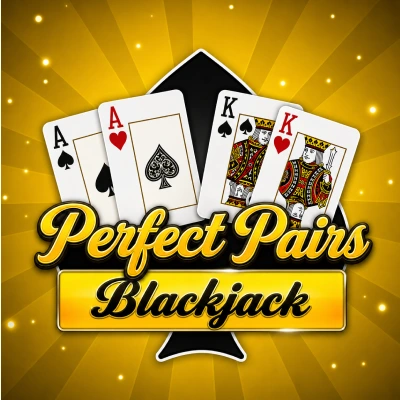
Perfect Pairs
Perfect Pairs adds a side bet that pays when your first two cards form a pair. Payouts increase for mixed, colored, and perfect matches, such as two identical queens of hearts. While the core blackjack rules stay the same, the Perfect Pairs wager carries a higher house edge than the main hand. It works best as a small, occasional extra rather than a big part of your betting plan.

Zappit Blackjack
Zappit Blackjack lets you “zap” certain hard totals, such as 15, 16, or 17, and replace them with new cards. This feature can rescue some of the worst hands in regular blackjack. To balance this advantage, rules may include dealer pushes on specific totals or reduced payouts on naturals. It is a fun option if you dislike standing on stiff hands, but you still need a strategy tailored to the zap mechanic.

Suit ‘Em Up Blackjack
Suit ‘Em Up Blackjack features a side bet that pays when your first two cards share the same suit, with higher payouts for suited pairs and specific suit combinations. The main hand still plays like regular blackjack with familiar rules. As with most side bets, the house edge on Suit ‘Em Up is higher than on the base game, so keep these wagers small if you decide to use them.
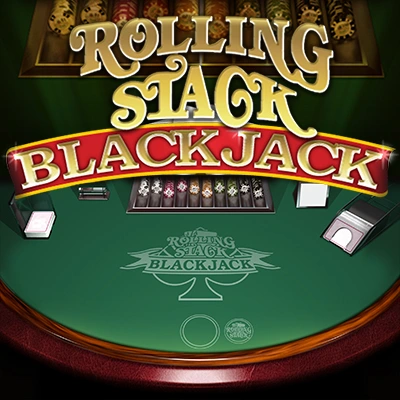
Rolling Stack Blackjack
Rolling Stack Blackjack lets you press part of your previous win onto the next bet automatically. Your stack can grow during a hot run, amplifying both profit and risk over a short sequence of hands. This format appeals to players who enjoy streak-based betting, but it requires firm stop points. Decide in advance how many rolls you will allow and when you will lock in profit instead of letting the stack ride.
Best Blackjack Games with Highest Payout Odds
If you care about long-term results, pick tables with clear rules and high RTP. Top blackjack games reward basic strategy with RTP close to 99% or higher, while flashy side bets usually drag the house edge up.
| Game | RTP |
|---|---|
| Classic / European Blackjack | 99.3% – 99.6% |
| Atlantic City Blackjack | 99.3% |
| Single Deck Blackjack | 99.5% |
| Double Deck Blackjack | 99.3% – 99.4% |
| Multi-Deck Blackjack (4–8 decks) | 99.4% |
| Live Blackjack | 99.3% – 99.6% |
| Blackjack Switch | 99.0% – 99.2% |
| Spanish 21 | 99.2% |
| Perfect Pairs (side bet only) | Often 95% or lower |
| Zappit Blackjack | 99% (varies by provider) |
| Suit ‘Em Up (side bet only) | Often 94%–96% |
| Rolling Stack Blackjack | Depends on base rules, usually near 99% with optimal play |
RTP values are approximate and depend on exact rules (dealer hits/stands on soft 17, double rules, surrender) and the game provider. Side bets like Perfect Pairs and Suit ‘Em Up almost always have a much higher house edge than the main hand, so keep those wagers small and occasional.
Blackjack Rules – How to Play Blackjack Online for Real Money
Blackjack is played against the dealer, not other players. Your goal is to get closer to 21 than the dealer without going over. Number cards count as their face value, face cards count as 10, and Aces count as 1 or 11. Before the deal, you place a stake, then receive two cards face up while the dealer gets one or two cards depending on the rules.
Finding a blackjack table online starts with checking the rules panel. You hit to take another card, stand to keep your total, double to increase your bet on one more card, or split when you receive a pair. A natural blackjack (Ace + 10-value card) usually pays 3:2, but some tables pay 6:5 and raise the house edge, so always read the paytable before you start.
Blackjack Strategies – Master Your Odds & Minimize House Edge
Good blackjack strategy reduces mistakes and keeps the house edge as low as the rules allow. The same principles apply whether you play casual cash games or enter serious blackjack tournaments online.
Basic Blackjack Strategy Chart
Basic strategy tells you when to hit, stand, double, or split based on your hand and the dealer’s upcard. It divides decisions into hard hands, soft hands, and pairs. Use it as a reference instead of relying on guesswork.
Example chart for hard hands (no Ace, or Ace counted as 1):
| Player Hand | Dealer 2–6 | Dealer 7–A |
|---|---|---|
| 8 or less | Hit | Hit |
| 9 | Double if allowed, else Hit | Hit |
| 10 | Double if allowed, else Hit | Double if allowed, otherwise Hit |
| 11 | Double if allowed | Double if allowed |
| 12 | Stand | Hit |
| 13–16 | Stand | Hit |
| 17+ | Stand | Stand |
Soft hands and pairs use their own charts, but this hard-hand guide already removes many costly errors at real-money tables.
Soft vs Hard Hands Strategy
A soft hand includes an Ace counted as 11, such as A–6, while a hard hand either has no Ace or uses the Ace as 1. Soft totals give you more freedom to hit or double, because one bad card often just turns the Ace into 1 instead of busting you. With soft hands, you usually double more aggressively against weak dealer cards and hit more often against strong ones, while hard totals like 15 or 16 require more careful standing or hitting decisions.
When to Split, Double, or Surrender
Splitting, doubling, and surrendering are where strategy has the biggest impact. You almost always split Aces and 8s, never split 10s, and rarely split 5s. Doubling works best when you have a strong drawing total like 9, 10, or 11 against a weak dealer card. Surrender, when available, lets you forfeit half your bet on very bad matchups, such as a hard 16 against a dealer 10. These moves cut long-term losses and sharpen your edge when used correctly.
Low House Edge Rule Variations
Some rules shave the house edge down, while others quietly increase it. Player-friendly options include dealer standing on soft 17, doubling on any two cards, double after split, re-splitting pairs, and late surrender. Harsh rules like dealer hitting soft 17, blackjack paying 6:5 instead of 3:2, or limits on doubling push the edge back toward the casino. When you compare tables, a small rules summary often tells you more about long-term value than the felt color or side bets.
Side Bets Strategy
Side bets like Perfect Pairs, 21+3, Suit ’Em Up, and similar options can be fun, but they usually carry a much higher house edge than the main blackjack hand. They pay big on rare outcomes, while grinding away small chunks of your bankroll over time. If you enjoy them, keep stakes tiny and treat them as entertainment, not a core strategy. The main hand with solid basic strategy is where your best odds live.
Blackjack Winning Tips from Experts
Winning more often in blackjack is less about lucky streaks and more about habits. Experts focus on rule selection, discipline, and clean decisions. Use these tips to tighten your play and stretch your bankroll at real-money tables.
Learn basic strategy for your exact game rules and keep a chart handy while you play.
Avoid 6:5 blackjack payouts; choose 3:2 tables with player-friendly rules like the dealer standing on soft 17 (S17) and double after split.
Set a fixed session bankroll and divide it into small units so one hand never risks more than 1%–2%.
Lower your bet size during losing streaks instead of chasing losses with bigger wagers.
Raise stakes only after you have a long sample of hands and understand your comfort level with swings.
Skip most side bets; they usually have a much higher house edge than the main hand.
Take regular breaks to stay sharp, then quit for the day once you hit your pre-set win or loss limit.
Banking Options & Fast Payout Methods for Blackjack
Blackjack casinos for real money in the US usually support a mix of cards, e-wallets, and direct bank transfers. Your goal is to pick methods that move money quickly, keep fees low, and pass verification checks without drama. Always confirm minimum deposit and withdrawal limits before you sit down at a table.
Most sites process withdrawals back to the same method you used for deposits, with pending times added on top of bank processing. Here are the most common options you will see:
- Debit / Credit Cards (Visa, Mastercard) – Easy deposits, withdrawals can take 1–3 business days.
- Online Banking / ACH – Direct link to your bank account, usually 2–5 business days for payouts.
- E-wallets (PayPal, similar services) – Fastest withdrawals in many states, often within hours once approved.
- Prepaid / Branded Cards – Good for controlled spending, with ATM access after funds hit the card.
- Bank Wire Transfer – Best for large cash-outs, but higher minimums and slower processing.
Fair & Legit Online Blackjack: RTP, RNG and Player Protection
Fair blackjack online starts with RTP (Return to Player), the long-term percentage a game pays back to players. Strong blackjack tables list RTP around 99% or higher when played with basic strategy and player-friendly rules. Before you sit down, open the info panel and confirm the payout for blackjack, dealer behavior on soft 17, and double and split options. These small details decide how close your game gets to that listed RTP.
Behind every digital deal is an RNG (Random Number Generator) that shuffles virtual cards and determines outcomes. Legit sites use certified RNG software, submit games to independent labs for testing, and hold licenses from recognized regulators. Player protection adds another layer: encrypted payments, KYC (Know Your Customer) checks before large withdrawals, deposit and loss limits, cooldown periods, self-exclusion, and clear complaint channels. If a blackjack lobby does not show its license, testing seals, or responsible gambling tools, it is safer to walk away.
Final Verdict about Blackjack Casino Game
In our opinion, blackjack stays one of the fairest casino games when you combine strong rules with disciplined play. We see it as a game where knowledge actually matters: the more you respect basic strategy, table limits, and RTP, the closer your results get to the numbers on the paytable.
We believe the best blackjack casino for you is not just the one with the flashiest lobby. It is the one that offers 3:2 payouts on blackjack, clear rules, fast withdrawals, and honest support when something breaks. You should treat every session as a controlled project: set a bankroll, choose a rule set you understand, and leave the table once you hit your win or loss limit. If you do that, blackjack becomes a sharp, structured game of decisions instead of a random rush of hands.
FAQs About Online Blackjack
How do I choose the best blackjack site for US players?
Start with licensing and safety, then look at rules and payouts. Focus on US blackjack sites that clearly show their regulator, offer 3:2 blackjack, and list RTP. From there, compare table limits, payment methods, and support to find the best blackjack fit for your budget and style.
Which states currently allow real-money online blackjack?
Only a limited number of states authorize real money blackjack games online. Currently, these states are: Connecticut, Delaware, Michigan, New Jersey, Pennsylvania, Rhode Island, and West Virginia. To play legally, you must be located in one of these states and use a licensed site.
What blackjack rules give the lowest house edge online?
The lowest blackjack house edge usually comes from games where blackjack pays 3:2, the dealer stands on soft 17, you can double on any two cards, double after split, and use late surrender. The more these rules appear at real money blackjack sites, the closer you get to that sub-1% edge with proper basic strategy.
What RTP should I expect from reputable online blackjack tables?
Most reputable online blackjack tables list RTP around 99% or slightly higher when played with perfect basic strategy. Some popular blackjack games reach 99.3%–99.6% under very favorable rules. If a table does not show its RTP or hides rules, it is better to pick a clearer variation of the game.
Are live dealer blackjack tables better value than RNG blackjack?
In many casinos, live blackjack tables and RNG titles share similar RTP, assuming the same rules. Live games add social interaction and real dealing, while RNG tables often run faster and accept smaller stakes. Choose the format that fits your pace; both can be solid real money games if rules are fair.
Can I legally use crypto to play blackjack in the US?
Most regulated blackjack sites in the US do not support direct crypto deposits. Crypto casinos targeting US players usually operate offshore, outside standard US oversight. If you see “crypto-only” blackjack sites in the US market, treat them carefully and remember they do not follow the same regulations as locally licensed casinos.
What are the red flags that a blackjack site might be rigged?
Major warning signs include no visible license, missing contact details, vague terms, and no explanation of how online blackjack uses RNG or testing labs. Extra red flags: blocked withdrawals without clear reasons, constant rule changes, or pressure to bypass normal KYC checks. When in doubt, leave and find the best regulated alternative instead.
Is card counting effective or possible when playing blackjack online?
Traditional card counting does not work well on most online blackjack sites because shoes are reshuffled frequently or every hand. Live blackjack tables sometimes use deeper shoes, but continuous or early shuffling still limits any edge. Treat counting as a learning tool, not a guaranteed advantage online.
How should I manage my bankroll for online blackjack sessions?
Break your bankroll into small units and stake only 1%–2% per hand. New blackjack players should set a strict session budget, a stop-loss, and a target win amount before sitting down. Whether you are new to blackjack or an experienced player, leaving when either limit is hit is one of the most important blackjack tips.
Which blackjack side bets have the worst odds and should be avoided?
Side bets often look attractive because they offer big payouts on rare events, but many carry poor odds. Perfect Pairs, 21+3, and similar popular blackjack variants usually have much lower RTP than the main hand. If you enjoy them, keep stakes tiny and focus your main bets on standard blackjack vs the dealer.
Do mobile blackjack apps offer the full range of casino rules and limits?
Most top blackjack sites in the US mirror their desktop rules, limits, and tables on mobile. You can usually play blackjack games with the same payouts and options, though the lobby layout may change. Always check the rules panel on mobile to confirm that nothing important is missing or downgraded.
How do age verification and identity checks affect withdrawals?
Before large withdrawals, blackjack sites in the US must verify your identity and age with documents such as ID and proof of address. This can delay your first payout if you are not ready. To avoid issues, complete verification soon after you get started at the best site you choose, not at the moment you need fast cash-out.
