
 EN
EN  DE
DE New York Sends Global Poker Parent an $8M Sweepstakes Bill

 PokerListings
-
 CoinPoker 150% up to $2000
18+ | Play Responsibly | T&C Apply
-
 Ignition Poker 150% up to $1,500
18+ | Play Responsibly | T&C Apply
-
 Stake.US Poker $55 Stake Cash + 260,000 GC
18+ | Play Responsibly | T&C Apply
-
 Americas Cardroom 100% up to $2000
18+ | Play Responsibly | T&C Apply
-
 Betonline Poker 100% Up to $1,000
18+ | Play Responsibly | T&C Apply
It’s never easy leaving The City That Never Sleeps. It’s considerably harder when the trip ends with an $8 million bill you still have to foot.
This all might sound like an elaborate socialite anecdote, but this time, the story begins (and ends) with VGW Holdings, the Australian company behind Global Poker, Chumba Casino and Luckyland Slots.
On Wednesday, more than a year after VGW stopped Sweeps Coin play in New York, the company has agreed to pay the state $8 million to resolve allegations that its three platforms were operating illegal online gambling. The agreement closes the case without an admission of liability from VGW, but it puts an expensive full stop on a New York story that began long before the state formally banned sweepstakes casinos.
We have the details.
Why VGW Has an $8 Million Bill to Pay
VGW has been in New York for quite some time. Chumba Casino arrived in 2012, Global Poker followed a few years after, in 2016, and Luckyland Slots joined the fold in 2018, each one with a dual-currency system, which has come under scrutiny in this $8 million investigation.
For years, players could use Gold Coins for social play, while Sweeps Coins were used in separate games and could ultimately be redeemed for cash or prizes — since Sweeps Coins were provided for free, the model didn’t constitute gambling, at least, according to VGW.
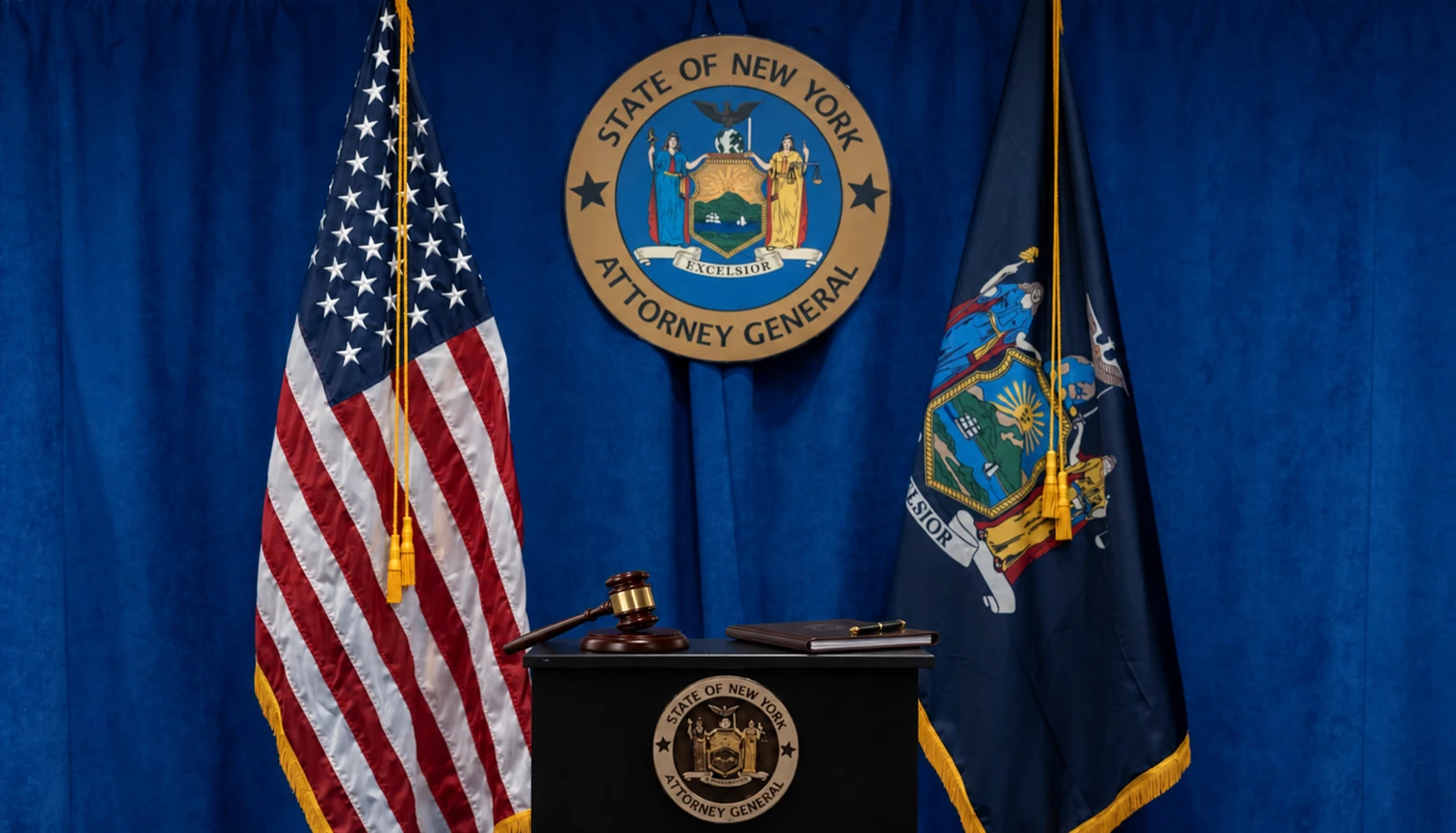
However, the New York Attorney General came to a very different conclusion.
New York law prohibits online platforms from offering gambling that involves risking something of value, including redeemable virtual coins.
The office also said New Yorkers lost tens of thousands of dollars across VGW’s platforms, arguing that sweepstakes operators weren’t subject to the same audits and consumer protections imposed on licensed casinos.
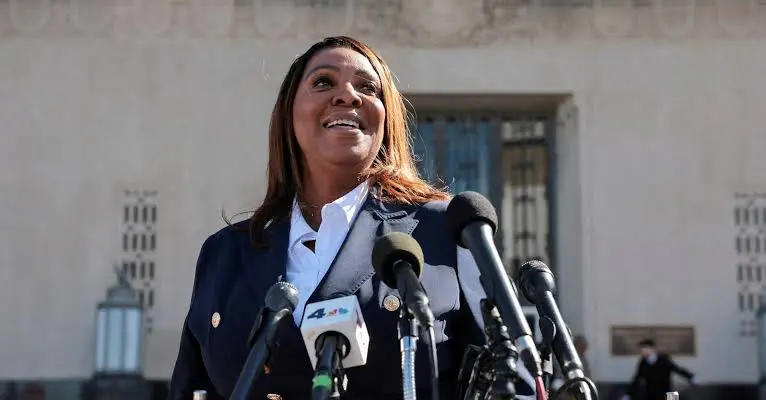
Attorney General Letitia James didn’t mince her words when announcing the settlement:
Online sweepstakes casinos like Chumba Casino, Global Poker, and Luckyland Slots posed a dangerous threat to New Yorkers and their financial and mental health. My office took action to stop these illegal platforms last year, and now we are holding VGW accountable for the damage done.
The Attorney General’s office actually sent VGW a cease-and-desist letter back in June 2025 as part of a wider action against 26 sweepstakes operators. In response, VGW stopped allowing New York players to collect Sweeps Coins on June 2 as it phased out promotional play in the state.
New York then made its position considerably more permanent, as Governor Kathy Hochul signed legislation formally prohibiting online sweepstakes casinos in the Empire State in December 2025.
The $8 million fine we’re discussing is the sum total of disgorgement, penalties and costs into the activity that came before the exit.
While they are still footing the bill, VGW hasn’t admitted liability as part of the agreement and maintains that it voluntarily ceased Sweeps Coin play in anticipation of the legislation that followed. The company said it “welcomes the conclusion of this matter” and has continued to argue for regulatory frameworks for social gaming rather than outright prohibition.
New York Is Only One Piece of a Much Bigger Sweepstakes Puzzle
While VGW’s $8 million settlement is the jaw dropping headline right now, the issue with sweepstakes casinos is something that has been brewing beyond just the Empire State.
The sweepstakes model has spent the past few years in an increasingly uncomfortable position in the US. Operators argue that their dual-currency products are social and sweepstakes gaming rather than conventional real-money gambling, pointing in part to no-purchase-necessary methods of obtaining promotional currency.
Regulators and lawmakers in a growing number of states aren’t buying it.
New York is now among the states that have explicitly legislated against the dual-currency model. New Jersey and Montana introduced their own bans in 2025, while Tennessee was among the handful states to enact legislation against the model in 2026. Other jurisdictions have used existing gambling laws, regulatory orders and cease-and-desist letters rather than dedicated sweepstakes legislation.
The effect of that legislation on just VGW’s US footprint has been considerable. Since 2024, it has withdrawn its sweepstakes products from more than ten states. Its Sweeps Coin products are no longer available in markets including New York, New Jersey, Connecticut, Maryland, Montana, Nevada and West Virginia, among others.
As more states decide exactly where they draw the line between a sweepstakes and online gambling, it may not be the last expensive bill the industry will have to foot.

Popular News

Lose $1-3 Million a Year But Keep Your Dignity: Garrett Adelstein’s AMA on Reddit

Through Rain, Low Battery, and Glitches to New Best Cash: Story of Aliaksandr Shylko
GGPoker Becomes Alberta’s First Approved Online Poker Operator
PokerStars MicroMillions Returns for 2026 With $2M+ Guaranteed
Latest News

Martin Zamani Crushes Two Different Phil’s Thrill on ACR Poker
Ossi Ketola Beats Patrik Antonius in $20,000,000 Heads-Up Match

888poker Welcomes Fall With XL Autumn Series




Log in to join the discussion
Share your thoughts and see what others have to say.