
 EN
EN  DE
DE Indiana Senate Approves Sweepstakes Ban with an Exception for Online Poker

 PokerListings
-
 CoinPoker 150% up to $2000
18+ | Play Responsibly | T&C Apply
-
 Ignition Poker 150% up to $1,500
18+ | Play Responsibly | T&C Apply
-
 Stake.US Poker $55 Stake Cash + 260,000 GC
18+ | Play Responsibly | T&C Apply
-
 Americas Cardroom 100% up to $2000
18+ | Play Responsibly | T&C Apply
-
 Betonline Poker 100% Up to $1,000
18+ | Play Responsibly | T&C Apply

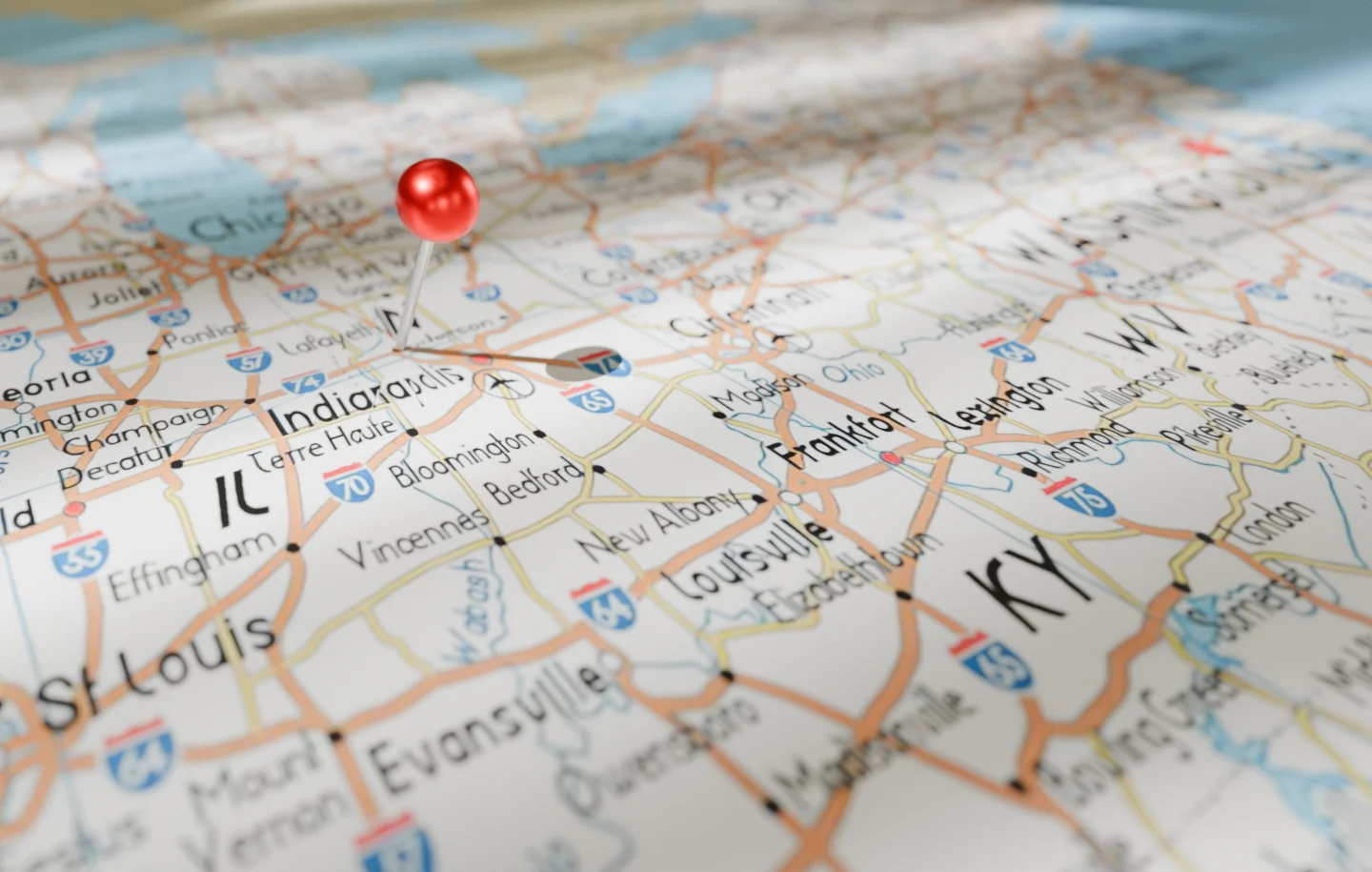
Since California began 2026 with a complete ban on sweepstakes poker, other states have been trying to follow in tow, including Mississippi, Tennessee and now Indiana. However, unlike Mississippi and Tennessee, the the Hoosier State opted out of the one-fit-for-all approach.
This week, the Indiana Senate approved an amended version of House Bill 1052, which is now designed to dismantle the “social casino” model while still leaving the door open for online poker. If the bill clears its final hurdles before the February 27 adjournment, Indiana could become the first state in 2026 to codify a sweepstakes ban into law.
Before that potentially happens, we’re here to tell you everything you should know about House Bill 1052.
The Story of House Bill 1052
HB 1052 has had had a fairly swift legislative journey so far. After passing the House by a 87-11 margin earlier this month, it moved to the Senate, where it underwent its, thus far first, critical amendment.
This change came via an amendment from Senator Kyle Walker. While the bill is designed to kill off dual-currency platforms that simulate slots, video poker, and sports wagering, Walker pushed to explicitly exclude “peer-to-peer skill-based poker games.”
Under this language, platforms like Global Poker or ClubWPT, where players compete against each other rather than the house, would remain a legal option in Indiana. The difference according to House Bill 1052 is then who you’re playing against: the bill identifies sweepstakes as chance-based contests against the “house,” while poker is protected as a competitive, skill-based format.
So, with its first major amendment in the book, the question is what would House Bill 1052 actually do?
What HB 1052 Would Actually Do
If the House concurs with the Senate’s changes and the bill is signed into law, the “gray area” for sweepstakes poker in Indiana will be replaced by a very clear “no-go” zone. Here is how that would look on paper:
- Operators or individuals caught conducting illegal online sweepstakes games could face civil penalties of up to $100,000.
- The bill specifically prohibits platforms offering simulated lottery games, slot machines, bingo, and sports wagering that utilize a dual or multi-currency system.
- The legislation allows prosecutors to send written notice to suspected operators, giving them 30 days to cease activity before criminal charges are filed.
- The liability isn’t limited to local actors; the bill authorizes the Gaming Commission to impose penalties on out-of-state parties involved in transactions with Indiana residents
The Road to July 1st
Somewhat surprisingly, this wasn’t always the sweepstakes path Indiana was on. Senator Ron Alting actually explored the possibility of regulating and taxing the sweepstakes industry, which could have generated an estimated $20 million annually for the state. However, that effort was shut down due to significant resistance from legislative leadership.
That leaves us with Bill 1052, which is now going back to the House for a final vote on the Senate’s poker-friendly amendments. If the House concurs before the end of the session (February 27), the “sweepstakes era” for slots and house-banked games in Indiana will end on July 1, 2026, with poker players possibly being the sole survivors.

Popular News

Through Rain, Low Battery, and Glitches to New Best Cash: Story of Aliaksandr Shylko

Lose $1-3 Million a Year But Keep Your Dignity: Garrett Adelstein’s AMA on Reddit
GGPoker Becomes Alberta’s First Approved Online Poker Operator
PokerStars MicroMillions Returns for 2026 With $2M+ Guaranteed
Latest News

JackPoker Adds Last-Chance Entry Route to Bounty Hunt Series

Jamie Dwan Meets Karma at the WSOP Online Final Table

Juan “Malaka$tyle” Pardo Wins GGMillion$ Final Table Packed With Top Pros ($410K)





Log in to join the discussion
Share your thoughts and see what others have to say.