
 EN
EN  DE
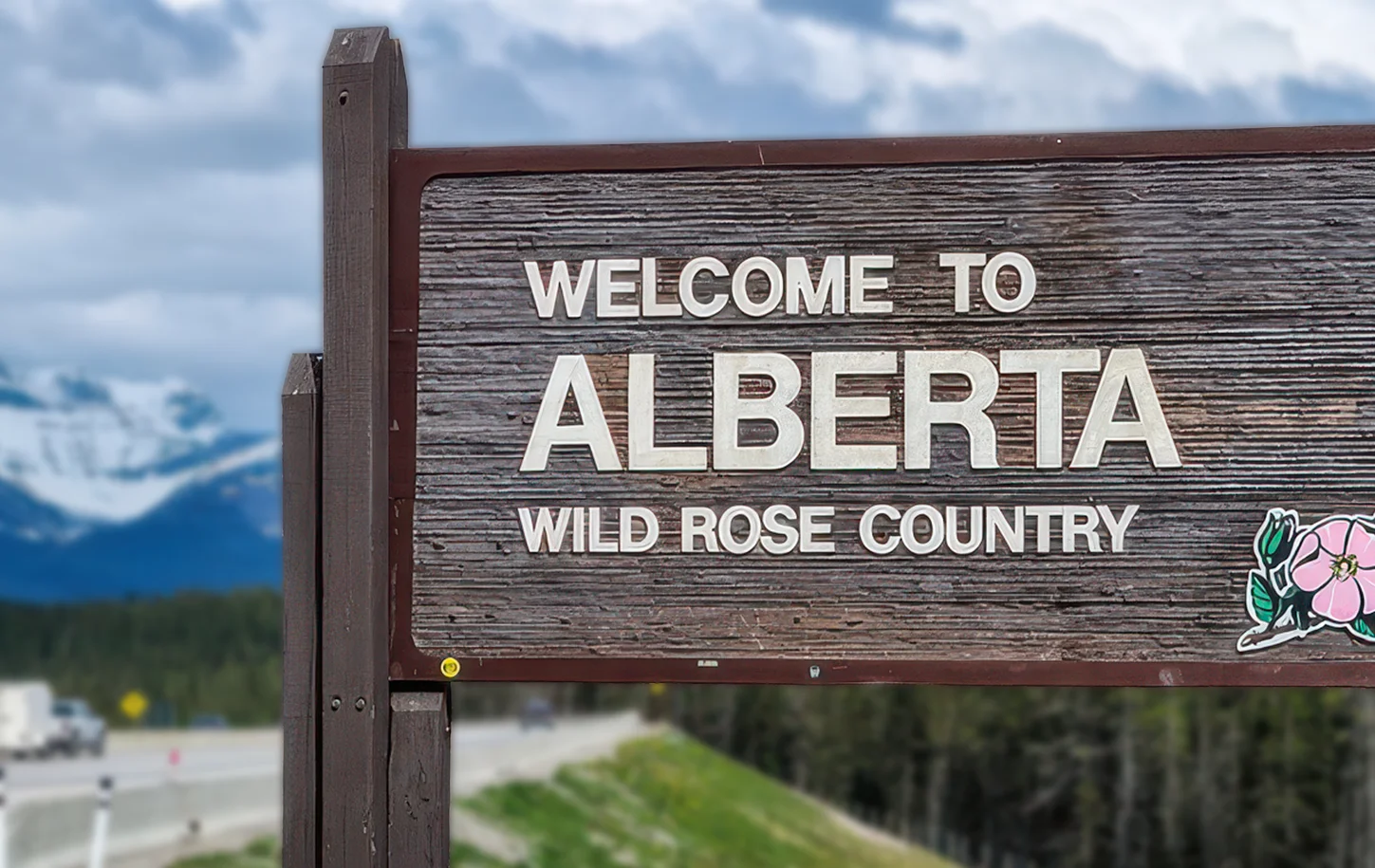
DE Alberta Online Poker Could Become Reality in 2026

 PokerListings
-
 CoinPoker 150% up to $2000
18+ | Play Responsibly | T&C Apply
-
 Ignition Poker 150% up to $1,500
18+ | Play Responsibly | T&C Apply
-
 Stake.US Poker $55 Stake Cash + 260,000 GC
18+ | Play Responsibly | T&C Apply
-
 Americas Cardroom 100% up to $2000
18+ | Play Responsibly | T&C Apply
-
 Betonline Poker 100% Up to $1,000
18+ | Play Responsibly | T&C Apply

At the very beginning of March, Canadian online poker prepared for a major change, FanDuel announced it will be the new (and exclusive) home of PokerStars in North America, including Ontario. Now, just a few weeks after, the Great White North is preparing for another shift, as Alberta prepares to launch online poker in 2026.
Before that happens, here is everything Canadian players will want to know
Bill 48 and How Alberta Got to Here
The journey to Alberta online poker began almost a year ago, in May, 2025, when the provincial government passed Bill 48, widely recognized as the first pillar for online poker legalization in the Canadian province. Fast forward to January 2026 and a comprehensive regulatory framework was on the table, outlining the licensing process, key provisions, and the roles of provincial regulators that would come with it.
What Alberta Online Poker Could Look Like
When crafting its iGaming framework, Alberta took more than a few key notes from Ontario, which legalized its iGaming market over four years ago.
Just like Ontario, Alberta wants to place online casinos and poker under the same regulatory umbrella, which would be overseen by the new Alberta iGaming Corporation (AiGC) and Alberta Gaming, Liquor and Cannabis (AGLC), the current provincial gaming regulator.
The framework also addresses the issue of online operators that could come into the state. At the moment, Alberta has only one licensed operator, PlayAlberta, working within the state. Still, the majority of iGaming activity is conducted through offshore operators, that make up 70% of the provincial market. The Alberta iGaming Act is setting out to change that by allowing operators to apply through a three step process:
- Submitting an application to the AGLC
- Entering into a separate agreement with AiGC
- Launching iGaming operations within the Canadian province
As far as profit goes, 20% of all gaming revenue will go to the province, while another 2% allocated for the First Nations, and 1% to gambling research. The framework also accounts for province-level self-exclusion systems as well as how this potential new operators would market their products and services.
As for now, the ink is not dry on Alberta online poker yet, but from the looks of it, it could be very soon.

Popular News

Best Online Poker Room Promotions in September 2026

Titi Poker Takes Over as Triton’s Online Poker Sponsor for Season 5

iPOPS Returns to RedStar Poker With €500,000 GTD Main Event
Chess.com Launches Poker Training Site and Poker Room Gambit.com
Latest News

BustinDaNut69 Asks for a Deal After Every CoinMillion Elimination

“Thank You, Lady Luck!”: Andrii Novak Wins the WSOP Online Main Event ($3,931,259)

No Friends at the Poker Table: The Abby Merk & Susan Controversy






Log in to join the discussion
Share your thoughts and see what others have to say.