
 EN
EN  DE
DE The Complete Guide to Blackjack Side Bets: Rules, Payouts, House Edge, and Strategy

 PokerListings
-
18+ | Play Responsibly | T&C Apply
-
 ZumbaCards Casino 5 Free Cards
21+ | Play Responsibly | T&C Apply
-
 A1 Social Casino 1,000,000 GC
18+ | Play Responsibly | T&C Apply
-
 CrashDuel Casino 100% up to 200,000 GC + 50 SC
18+ | Play Responsibly | T&C Apply
-
 UpUp Casino 1,000,000 GC + 2SC
21+ | Play Responsibly | T&C Apply


Sitting down at a blackjack table, you will quickly notice small betting circles printed on the felt beside the main wagering area. These circles are where blackjack side bets live. These optional wagers promise larger payouts than the base game, but they carry a house edge explicitly engineered to generate consistent casino revenue. This comprehensive guide breaks down every dimension of popular side bets: how they work, what they pay, their statistical costs, and how to approach them with a disciplined strategy.
What Are Blackjack Side Bets?
Blackjack side bets are optional additional wagers placed before a hand is dealt. They resolve independently of the main game outcome, relying purely on specific card combinations drawn during the initial deal. Casinos continuously introduce and expand these options as a margin-enhancement tool, allowing them to generate higher revenue without increasing operational costs or table space.
A Brief Overview of Standard Blackjack Rules
In standard online blackjack, the objective is to beat the dealer by reaching a hand total closer to 21 without exceeding it. Card values are fixed: face cards count as 10, Aces count as 1 or 11, and numbered cards carry their face value. Players choose from four core actions each hand:
- Hit: Take another card.
- Stand: Keep the current hand.
- Double Down: Double the wager and receive exactly one more card.
- Split: Divide a pair into two separate hands.
With basic strategy applied correctly, the house edge on the main game drops below 1%. This thin baseline makes the contrast with side bet house edges particularly stark.
How Side Bets Work at the Table
Placing a blackjack side bet follows a straightforward, rigid sequence. Most tables require a main hand wager before a side bet can be accepted, though specific table limits vary.
Place the main blackjack wager in the primary betting circle.
Place the side bet in its designated circle, which is typically labelled with the bet’s name on the felt.
The dealer deals the initial cards to all players and themselves.
The side bet resolves immediately on the initial cards since no subsequent player decisions affect the outcome.
Winning side bets are paid out according to the house pay table, while losing wagers are collected.
The main hand continues independently, following standard blackjack play.
Side bet outcomes are entirely separate from the main hand result. Winning the side bet does not depend on beating the dealer in the main game, and a bust on your primary hand does not void a winning side bet combination.
The Psychology and Math of Side Bet Design
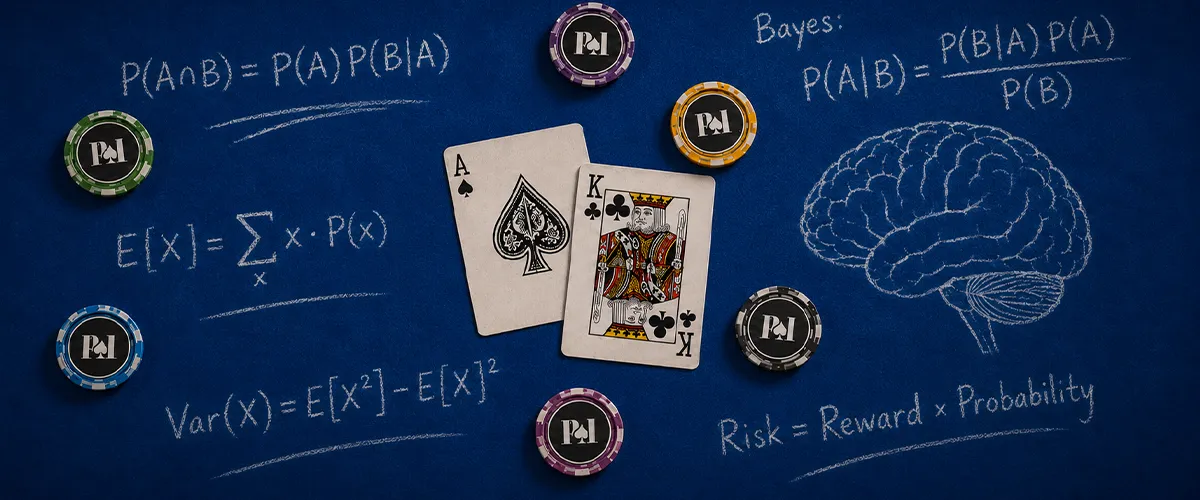
The design logic behind blackjack side bets relies on low minimum entry points to lower the psychological barrier to participation. Jackpot-tier payouts, some reaching up to 1,000:1 or higher, trigger a lottery-style appeal that attracts players who would otherwise avoid higher stakes. Because of the independent resolution mechanism, players frequently underestimate the cumulative cost of these small wagers over an extended session.
House Edge: The Real Cost of Play
House edge is the casino’s statistical advantage over the player, expressed as a percentage of each wager expected to be retained over millions of hands. On a bet with a 5% house edge, the casino expects to keep $5 for every $100 wagered in the long run. While the main blackjack game remains under 1%, side wagers operate at multiples of that figure, scaling from 3% up to 25%.
Volatility vs. Value
Volatility describes how payouts are distributed over time. High-volatility bets produce infrequent but large wins interspersed with long sequences of losses. Blackjack side bets are intentionally engineered with this specific profile. Occasional massive payouts create strong emotional memories, reinforcing continued play despite negative mathematical expectations.
Crucially, high volatility does not reduce the house edge; it merely redistributes outcomes across sessions, making short-term wins feel more significant while long-term losses remain less visible.
Blackjack Side Bets Compared
The table below outlines ten major blackjack side bets, presenting typical house edge ranges, top available payouts, and relative volatility ratings.
| Side Bet | Typical House Edge | Top Payout | Volatility |
|---|---|---|---|
| Insurance | ~7.7% | 2:1 | Low |
| 21+3 | ~3.2% – 6.5% | 100:1 | Medium-High |
| Perfect Pairs | ~2.5% – 11% | 25:1 | Medium |
| Lucky Ladies | ~17% – 29% | 1,000:1 | Very High |
| Royal Match | ~3.7% – 6.7% | 25:1 | Medium |
| Over/Under 13 | ~6.5% – 10% | 1:1 | Low |
| Super Sevens | ~11% – 12% | Progressive | Extreme |
| Bust It | ~8% | 200:1 | High |
| Lucky Lucky | ~3% – 7% | 200:1 | High |
| Buster Blackjack | ~6%+ | 2,000:1 | Very High |
House edge figures vary depending on the venue, deck count, and specific pay tables in use. Always verify the rules placard before wagering.
The Most Popular Blackjack Side Bets Explained
While dozens of optional card combinations exist across the gaming industry, a select group of classic side wagers dominates the vast majority of modern tables. Understanding the specific rules, payout structures, and steep house edges of these mainstream options is essential before risking any chips on the felt.
Insurance
Insurance is offered when the dealer’s face-up card is an Ace. The wager is limited to half the original bet and pays 2:1 if the dealer holds blackjack. For basic strategy players, the statistical case against Insurance is definitive: in a six-deck shoe, approximately 30.8% of remaining cards carry a 10-value, which falls below the 33.3% required for a 2:1 payout to break even. The resulting house edge sits at a steep 7.7%.
“Even money”, which is offered to a player holding a natural blackjack when the dealer shows an Ace, is functionally identical to Insurance and carries the exact same negative expectation.
21+3 (Three-Card Poker Mix)
The 21+3 side bet combines the player’s first two cards with the dealer’s face-up card to form a classic three-card poker hand. Payouts scale across five specific combinations:
- Flush: Three cards of the same suit (~5:1)
- Straight: Three consecutive ranks (~10:1)
- Three of a Kind: Three cards of the same rank (~30:1)
- Straight Flush: Three consecutive ranks of the same suit (~40:1)
- Suited Trips: Three identical cards (~100:1)
The house edge ranges from 3.2% to 6.5% depending on the specific venue pay table, making it one of the more competitive options if you find a favorable table setup.
Perfect Pairs
Perfect Pairs wins when your first two cards form any matching pair. Payouts are divided into three distinct tiers:
- Mixed Pair: Same rank, but different suits and colors (typically 5:1)
- Colored Pair: Same rank and color, but different suits (around 10:1)
- Perfect Pair: Two identical cards of the same rank and suit (approximately 25:1)
The wide variance in available pay tables shifts the house edge anywhere from 2.5% to 11%, meaning diligent paytable checks are mandatory.
Lucky Ladies
Lucky Ladies focuses on whether the player’s first two cards total exactly 20. Payouts escalate dramatically based on specific pairings: an unsuited 20 pays 4:1, a suited 20 pays 9:1, a matching pair of Queens of Hearts pays 125:1, and a Queen of Hearts pair against a dealer blackjack triggers the top 1,000:1 prize. Despite the massive jackpot structure, the baseline house edge is a punishing 17% to 29%.
Royal Match
Royal Match evaluates the suits of your opening two cards. Any two suited cards (known as an Easy Match) will pay roughly 2.5:1, while a suited King and Queen combination (the Royal Match) pays 25:1. The house edge typically sits between 3.7% and 6.7%.
Over/Under 13
This wager predicts whether the player’s first two cards will total more or less than 13. Crucially, a total of exactly 13 always loses, a specific rule designed to tilt the mathematics heavily toward the casino. The house edge sits at roughly 6.5% on the Over bet and climbs up to 10% on the Under option.
Super Sevens
Super Sevens tracks the accumulation of sevens in a player’s hand. A single initial seven awards a small payout, which scales up if you draw a second seven, higher still if they are suited, and unlocks a progressive jackpot if you accumulate three consecutive sevens. It carries an 11% to 12% house edge and creates a dangerous tactical distraction: players often refuse to split a pair of sevens (declining the correct basic strategy play) just to preserve their side bet sequence.
Bust It
Bust It wins whenever the dealer busts, with payouts scaling based on the exact number of cards in the dealer’s broken hand. A standard three-card bust pays minimal odds, while a rare eight-card dealer bust triggers a premium 200:1 payout. The overall house edge settles at approximately 8%.
Lesser-Known Side Bets to Watch For
- Buster Blackjack: Similar to Bust It, this wager tracks dealer busts but introduces a massive player bonus. If the dealer busts with eight or more cards while the player holds a natural blackjack, the payout can hit 2,000:1. The house edge averages 6% to 8%.
- Lucky Lucky: This bet wins on combinations of 19, 20, and 21 formed by your initial cards and the dealer’s upcard. A suited 7-7-7 triggers the top payout of 200:1, with a fluid house edge sitting between 3% and 7%.
- Blazing 7s: A progressive setup nearly identical to Super Sevens. It carries a high house edge of 11% to 12% and shares the same strategic risk of discouraging a correct pair-splitting decision on sevens.
- Bet the Set / Pair Square: Popular regional variations of Perfect Pairs found throughout US land-based markets and specific online spaces. Payout structures differ from standard multi-deck pairs, requiring careful inspection of the table rules.
- Suit ‘Em Up: A simple suited card bet that pays whenever your first two cards share a suit, with premium payouts for suited Aces. It sits at a relatively competitive 3% to 6% house edge.
- EZ Bust and Push 22: EZ Bust allows targeted wagers on dealer busts when the dealer shows a weak upcard (2 through 6). Push 22 is exclusive to Spanish 21 variations, paying 8:1 when the dealer hits an exact hand total of 22, which would normally result in a standard game push.
Can Blackjack Side Bets Be Beaten?
While basic strategy has absolutely zero impact on side wagers because it dictates player choices after the initial cards are dealt, card counting can technically create an exploitable edge under highly specific deck conditions.
The Realities of Side Bet Card Counting
Card counting tracks meaningful shifts in shoe concentration, identifying when certain values are disproportionately remaining. When a side bet’s payout structure correlates with these specific card concentrations, an expert counter can identify positive-expectation thresholds.
- Insurance: This is the most actionable counting option. While the break-even threshold for a 2:1 insurance payout requires a 33.3% concentration of 10-value cards, a Hi-Lo true count of +3 or higher indicates that the remaining shoe composition has shifted to roughly 1-in-2.8 cards, turning Insurance into a mathematically profitable wager.
- Lucky Ladies & Sevens: Highly concentrated decks rich in 10-value cards naturally favor Lucky Ladies pairs, while a shoe anomalously rich in sevens can swing the progressive odds of Super Sevens or Blazing 7s.
The Practical Catch
Casinos are acutely aware of these vulnerabilities. Pit bosses and automated security surveillance actively monitor for players who suddenly place large side bets exclusively at elevated true counts. Because side bets are monitored far more aggressively than the base game, counting them carries an exceptionally high risk of immediate counter-measures or being barred from play. Furthermore, modern continuous shuffle machines (CSMs) completely erase deck penetration, rendering counting mathematically impossible.
Online Blackjack vs. Live Dealer Tables
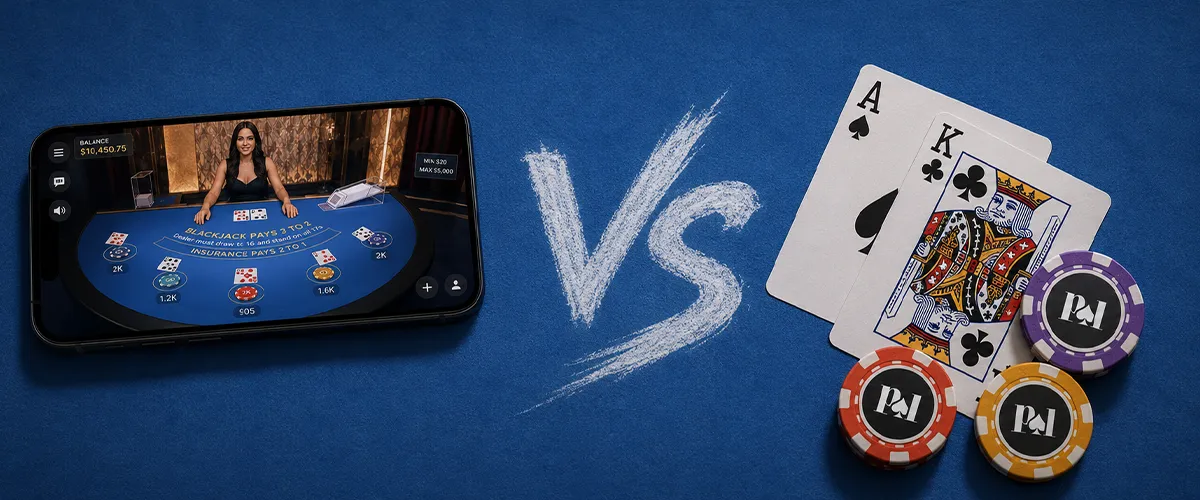
The strategic implications of side wagers shift dramatically depending on the medium you choose to play. Checking out a reputable platform like Spincasino.com allows you to explore these options across both virtual and live streams, though the underlying strategic implications differ in meaningful ways from a physical table.
RNG Online Blackjack
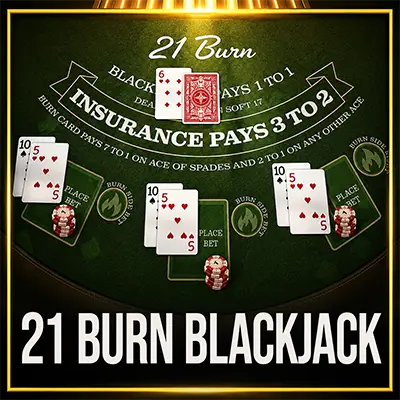
Random Number Generator (RNG) software games utilize a complete virtual shuffle after every single hand. This totally eliminates deck penetration, making card counting entirely useless.
Additionally, the operational pace of RNG software is exceptionally rapid, often exceeding 200 hands per hour compared to roughly 60 hands at a physical table. This acceleration means the high house edge of side bets will erode your bankroll significantly faster in real-time terms. Always audit the game’s help menu to locate the mandatory published Return to Player (RTP) percentage before wagering.
Live Dealer Streaming Platforms
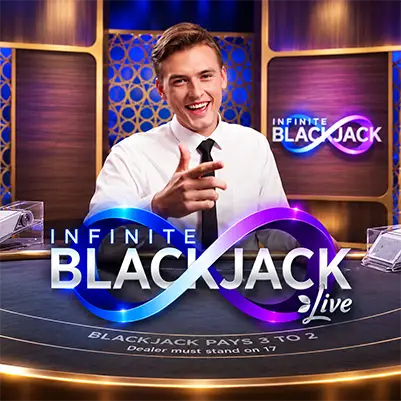
Live dealer streams feature real human dealers distributing physical cards from studio tables. While major software providers like Evolution Gaming (with Infinite Blackjack), Playtech, and Pragmatic Play include robust side bet options like 21+3 and Perfect Pairs, their reshuffling protocols are highly conservative. Frequent manual cuts and shoe changes ensure that deck penetration remains too shallow to establish a reliable card-counting advantage.

Expert Assessment: Should You Place Side Bets?
From a purely mathematical perspective, blackjack side bets are a net negative. Over an extended timeline, consistent side wagers will accelerate bankroll depletion. However, this does not mean they should be completely banned from your gameplay, provided you treat them as an explicit entertainment expense rather than a wealth-generation strategy.
Strategic Bankroll Management
If you choose to incorporate side wagers for added table excitement, you must apply rigid financial boundaries:
- Separate Budgets: Keep your side bet funds entirely isolated from your primary blackjack bankroll.
- Proportional Limits: Ensure individual side bet stakes never exceed 10% to 15% of your main hand wager.
- Pre-Set Triggers: Establish a clear session stop-loss (e.g., stopping after losing 50% of your starting capital) and a win goal to lock in profits.
- Avoid Chasing: Never increase your side bet stakes to recoup previous losses, as the house edge remains completely static regardless of past outcomes.
If observing these limits ever becomes a challenge, confidential and free support resources are always available globally via the National Council on Problem Gambling (1-800-522-4700) or GamCare in the UK.
FAQs
Are blackjack side bets worth it?
Statistically, no. Side bets carry a house edge ranging from 2.5% to 29%, whereas the main game remains under 1% with basic strategy. They are worth playing only if you enter the game fully aware of the math and explicitly value the added volatility and entertainment excitement over long-term profitability.
What are the odds on blackjack side bets?
Payout structures vary wildly by title. Insurance pays 2:1 on a dealer Ace, 21+3 offers up to 100:1 for Suited Trips, Perfect Pairs maxes out around 25:1, and Lucky Ladies features a top 1,000:1 jackpot tier. Always verify the table placard, as individual casinos modify these exact payouts.
Which blackjack side bet offers the best value?
The most mathematically defensible option is 21+3 on a premium pay table, where the house edge can fall to roughly 3.2%, a rate comparable to single-zero roulette. Perfect Pairs under optimal configurations can also drop to around 2.5%. Outliers like Lucky Ladies (up to 29%) represent the worst value on the floor.
Do player decisions impact side bet outcomes?
No. Side bets resolve immediately based on the initial cards dealt to the table. Hit, stand, double down, or split choices have zero structural impact on whether your side wager wins or loses.
What is the 777 rule in blackjack?
The 777 rule represents the top jackpot trigger condition in progressive sevens side wagers, such as Super Sevens and Blazing 7s. Landing three consecutive sevens of the exact same suit unlocks the progressive pool prize. While tempting, these games carry a high 11% to 12% house edge.
Can you play a side bet without wagering on the main hand?
At virtually all regulated brick-and-mortar and online casinos, you are required to place a valid table-minimum bet on the primary blackjack hand before you are permitted to place a side wager.
What happens to my side bet if the main hand pushes?
Nothing. Side wagers resolve independently of the main game’s final outcome. If your initial cards hit a winning side bet combination, you are paid out immediately, even if your main hand eventually pushes or loses to the dealer.
PokerListings 
Log in to join the discussion
Share your thoughts and see what others have to say.