
 EN
EN  DE
DE Casino Games With Best Odds: Expert’s Guide to Better Winning Chances

 PokerListings
-
18+ | Play Responsibly | T&C Apply
-
 ZumbaCards Casino 5 Free Cards
21+ | Play Responsibly | T&C Apply
-
 A1 Social Casino 1,000,000 GC
18+ | Play Responsibly | T&C Apply
-
 CrashDuel Casino 100% up to 200,000 GC + 50 SC
18+ | Play Responsibly | T&C Apply
-
 UpUp Casino 1,000,000 GC + 2SC
21+ | Play Responsibly | T&C Apply


After spending over 15 years playing in casinos across Las Vegas, Atlantic City, and online platforms, I’ve learned one fundamental truth: your game selection affects your winning potential more than any other factor. While casinos always maintain their advantage through the house edge, choosing the right games can dramatically extend your bankroll and improve your chances of walking away a winner.
The house edge (that mathematical advantage built into every casino game) varies wildly from under 1% to over 25%. This single number determines how much of your money the casino expects to keep over time. Smart gamblers understand this reality and focus their play on games offering the lowest house edge.
Understanding Casino Odds: House Edge vs. RTP
Casino math isn’t complicated once you understand two critical concepts: house edge and return to player (RTP). These metrics are two sides of the same coin.
House edge represents the percentage of each bet that the casino expects to keep over time. For example, a game with a 5% house edge means the casino expects to profit $5 for every $100 wagered. This edge isn’t visible in short-term results (which is why some people win), but it manifests reliably over thousands of plays.
Return to player (RTP) is simply the flip side of this equation (RTP = 100% – House Edge). A game with a 5% house edge has a 95% RTP, meaning players should expect to get back $95 for every $100 wagered long-term.
The relationship is perfectly inverse: the higher the RTP, the lower the house edge, and the better for you as a player. This mathematical reality is inescapable.
| Game (Optimal Play) | House Edge | RTP |
|---|---|---|
| Blackjack | 0.5% | 99.5% |
| Craps (Pass/Odds) | 0.8% | 99.2% |
| Baccarat (Banker) | 1.06% | 98.94% |
| Video Poker (Full Pay) | 0.46% | 99.54% |
| European Roulette | 2.7% | 97.3% |
| American Roulette | 5.26% | 94.74% |
| Slots (Average) | 5-10% | 90-95% |
| Keno | 25-30% | 70-75% |
Casino Odds & Volatility/Variance Explained
Beyond house edge and RTP, volatility (or variance) explains why your actual results might differ drastically from the mathematical expectation in the short term. Think of volatility as the rockiness of your gambling journey.
Low volatility games (like blackjack) provide frequent small wins and steady play, with results that tend to align with the expected house edge relatively quickly. High volatility games (like slots) feature long losing streaks punctuated by occasional big wins, making short-term results wildly unpredictable.
I’ve played sessions of blackjack where my results closely matched the expected 0.5% loss rate, and others with slots where I’ve won 50× my bankroll despite the high house edge—that’s volatility in action.
How Casino Odds Are Calculated?
Casino odds are based on straightforward probability calculations. For any game, mathematicians compare the true odds of an event happening against the payout odds offered by the casino.
For example, in American roulette, the true odds of hitting a specific number are 1 in 38, but the casino pays only 35 to 1. This difference (paying less than true odds) creates the house edge. The mathematical formula is simple:
- House Edge = (True Odds – Payout Odds) ÷ True Odds × 100
This formula explains why seemingly minor rule variations can significantly impact your chances of winning. When a blackjack table changes from paying 3:2 to 6:5 for a natural blackjack, the house edge jumps by about 1.4% nearly tripling the casino’s advantage!
Blackjack: The King of Good Odds
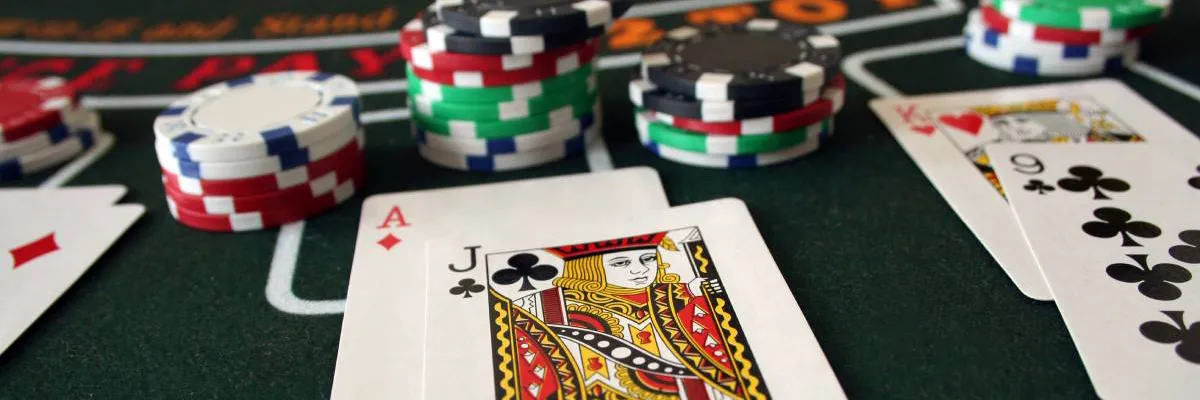
Of all the games on the casino floor, blackjack stands alone as offering the best combination of low house edge, widespread availability, and the ability to influence outcomes through player decisions.
With mathematically optimal play for every possible hand (basic strategy) the house edge in a standard game can drop to just 0.5%. That’s 50 cents per $100 wagered, giving players a 99.5% return over time. No other widely available casino game comes close to offering these favorable odds.
The key to blackjack’s low house edge is that it’s a game of decisions, not just chance. Unlike roulette or slots, your choices directly impact the outcome. Every time you choose to hit, stand, double down, or split pairs, you’re influencing the house edge.
I’ve played blackjack as my primary casino game for years specifically because it rewards skill and offers the best mathematical expectation. By learning basic strategy and selecting games with favorable rules, I’ve had multi-hour sessions where I’ve actually come out ahead—something that’s statistically much harder to accomplish in higher house edge games. Most important basic strategy decisions:
- Always split Aces and 8s
- Never split 10s or 5s
- Double down on 11 against any dealer card
- Stand on 12-16 when dealer shows 2-6
- Hit on 12-16 when dealer shows 7 or higher
Blackjack Rule Variations That Matter
Not all blackjack games are created equal. The specific rules offered by a casino dramatically impact the house edge—sometimes doubling or even tripling it. Here’s what to look for:
- 3:2 payout for natural blackjack (vs. 6:5)
- Dealer stands on soft 17
- Double down after splitting allowed
- Re-splitting Aces permitted
- Fewer decks (single deck is best)
I always check these rules before sitting down. The difference between a single-deck 3:2 game where the dealer stands on soft 17 versus an 8-deck 6:5 game where the dealer hits soft 17 can mean a 2% swing in house edge—turning a positive-expectation session into a likely loser.
In Las Vegas, I’ve found downtown casinos often offer better rules than Strip properties. Online, many casinos advertise their blackjack house edge directly, making comparison shopping easier.
Simple Moves That Improve Your Odds
Even without memorizing the complete basic strategy chart, these high-impact blackjack moves will dramatically improve your results:
- Always split Aces and 8s. Aces give you two chances at blackjack or strong hands. Paired 8s (16) is the worst hand in blackjack, so splitting gives you two fresh starts.
- Never split 10s. A 20 is already an excellent hand. Why break it up?
- Double down on 11. With 11, you have a 31% chance of drawing a 10-value card for 21.
- Stand on 12-16 against dealer’s 2-6. When the dealer shows a weak upcard, let them bust.
- Always take insurance with a blackjack. This “even money” play locks in a profit.
I’ve seen countless players make the mistake of hitting 12 against a dealer’s 5—a move that increases the house edge by letting players bust hands the dealer would likely have busted themselves.
Craps: Finding the Smart Bets
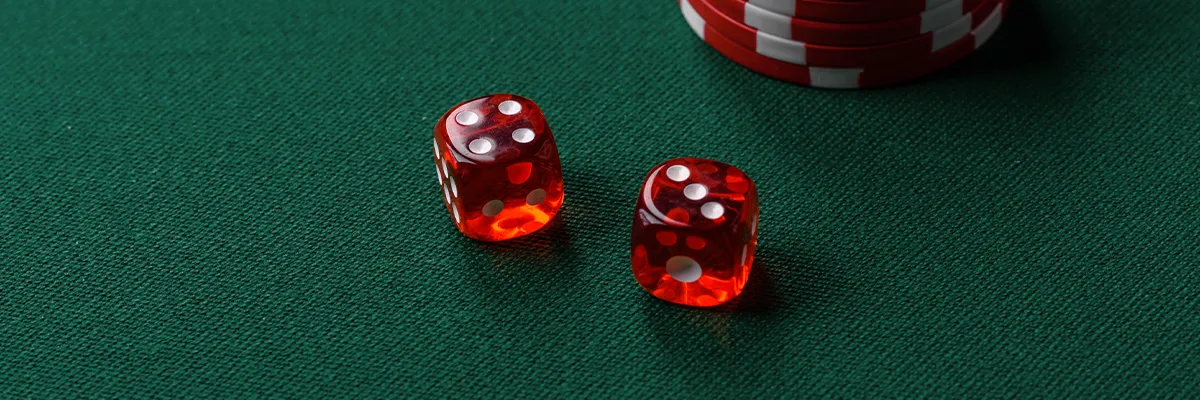
Craps intimidates many casino visitors with its complex betting layout and boisterous atmosphere. But behind this complexity lies a game offering some of the casino’s best odds—including the only bet with zero house edge.
The key to success in craps is ignoring the dozens of flashing proposition bets in the center of the table (with house edges from 5-17%) and focusing exclusively on a simple betting strategy: Pass Line with maximum odds.
The Pass Line bet itself has a reasonable 1.41% house edge. But once a point is established, craps offers a unique opportunity through the “Odds Bet”—an additional wager that pays at true mathematical odds with zero house edge. This is the only bet in the casino where the house has no built-in advantage.
By combining a Pass Line bet with maximum odds, the combined house edge can drop to under 0.8%—nearly as good as blackjack, without requiring any strategic decisions after the initial bets.
I avoided craps for years, intimidated by the seeming complexity. Now it’s one of my go-to games because I know the smart bets offer exceptional value. Here is basic craps strategy:
- Place a Pass Line bet before the come-out roll.
- When a point is established, take maximum odds.
- Ignore all proposition and field bets.
- Avoid “place” bets in favor of “come” bets with odds.
- Manage your bankroll for the swings.
The Magic of Odds Bets in Craps
The odds bet in craps is truly unique in the casino world—it’s the only wager with zero house edge. The bet pays true mathematical odds: 2:1 on points of 4 and 10, 3:2 on points of 5 and 9, and 6:5 on points of 6 and 8.
Casinos limit the size of odds bets because they’re so player-friendly. Different casinos offer different maximum odds multiples:
- 3×-4×-5× odds (3× on 4/10, 4× on 5/9, 5× on 6/8)
- 5× odds (5 times your line bet)
- 10× odds (10 times your line bet)
- 100× odds (found at select casinos)
I always look for casinos offering the highest odds multiples. Taking full odds at a 10× table means that 91% of my total money is working with zero house edge. During a memorable session at the Cromwell in Las Vegas, I parlayed this approach into a significant win by experiencing a hot streak where the shooter made eight points in a row.
Simple Moves to Maximize your Craps Odds
Beyond taking odds, these strategies will maximize your craps experience:
- Focus exclusively on Pass Line (or Don’t Pass) with maximum odds
- Add Come bets (with odds) for additional action at the same low house edge
- Avoid all proposition bets in the center of the table despite dealer encouragement
- Set a win goal and loss limit before approaching the table
- Take breaks during cold tables—the game will still be there later
I’ve watched players lose hundreds on risky “hardway” bets while I’ve stayed even or ahead using this disciplined approach. The dice don’t know who’s betting what—but your bankroll certainly does.
Baccarat: Simple Rules, Favorable Odds
Baccarat’s reputation as a high-roller game often keeps recreational players away, which is unfortunate because it offers some of the best odds in the casino with virtually no strategy required.
With a house edge of just 1.06% on banker bets and 1.24% on player bets, baccarat outperforms most other table games while requiring zero strategic decisions. You simply choose a banker or player, place your bet, and let the cards fall.
The game’s simplicity is its beauty—unlike blackjack or online poker, you don’t need to learn complex strategies. The dealer handles all card drawing decisions according to fixed rules.
The optimal strategy couldn’t be simpler: always bet on the banker. Even with the 5% commission charged on winning banker bets, this option gives you the lowest house edge available. The player bet is a close second, while the tie bet (offering tempting 8:1 or 9:1 payouts) should be avoided due to its massive 14.4% house edge.
| Baccarat Bet | House Edge | RTP |
|---|---|---|
| Banker | 1.06% | 98.94% |
| Player | 1.24% | 98.76% |
| Tie | 14.4% | 85.6% |
I’ve found baccarat particularly valuable during casino visits when I’m tired or have been drinking—situations where executing perfect blackjack strategy becomes challenging. The simple binary choice and low house edge make it perfect for these situations.
Simple Moves to Maximize your Baccarat Bets
While baccarat requires minimal strategy, these approaches will optimize your experience:
- Bet banker consistently. Despite the 5% commission, this remains the mathematically superior choice
- Avoid the tie bet. The attractive 8:1 or 9:1 payout comes with a massive 14.4% house edge
- Ignore pattern tracking. Despite the scoreboards at every table, previous results don’t influence future outcomes
- Set clear win/loss limits. Baccarat’s relatively low volatility makes it ideal for disciplined goal-based sessions
- Manage your bankroll. I recommend at least 30 units to withstand normal fluctuations
During a trip to Macau, I watched players frantically tracking patterns and switching between banker and player based on previous outcomes. Meanwhile, I consistently bet banker and ended the session ahead while most pattern-followers lost their bankrolls.
Video Poker: The Thinking Player’s Slot Machine
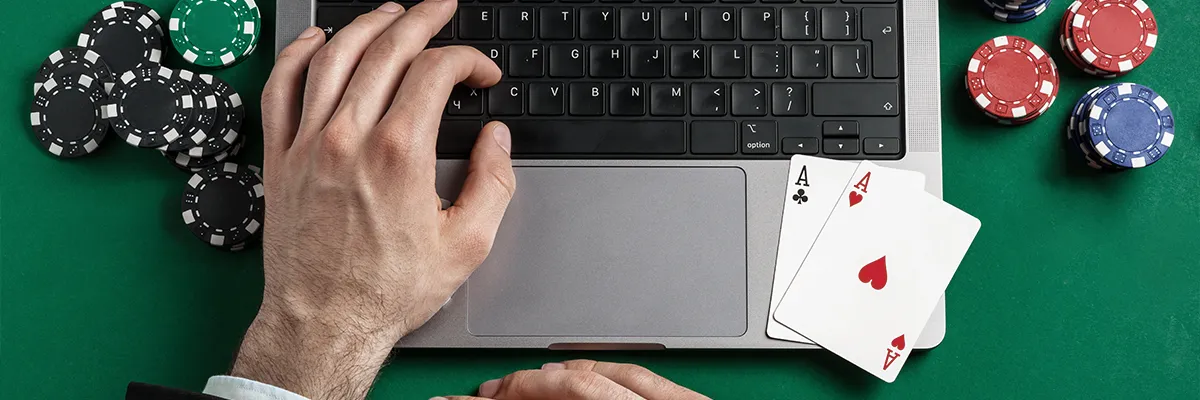
Video poker offers a unique blend of slot machine simplicity and skill-based play, making it one of my favorite casino games for value-conscious players.
With the right game selection and proper strategy, full-pay video poker can offer return-to-player percentages exceeding 99.5%—rivaling blackjack for the best odds in the casino. Some rare variations even offer returns slightly over 100% with perfect play, theoretically giving players a tiny edge.
Unlike traditional slot machines, video poker outcomes depend partly on player decisions. Each hand presents a strategic choice—which cards to hold and which to discard. Making the mathematically optimal decision for each hand is the key to achieving the advertised RTP.
The most common full-pay version of Jacks or Better (known as 9/6 for its 9-for-1 full house and 6-for-1 flush payouts) offers a 99.54% return with perfect play. This makes it dramatically better than slot machines, which typically return 85-92% in physical casinos.
I regularly choose video poker over slots because of this significant mathematical advantage, plus I enjoy the strategic element that’s completely absent from traditional slot play.
| Video Poker Variation | Full Pay RTP | House Edge |
|---|---|---|
| Jacks or Better (9/6) | 99.54% | 0.46% |
| Deuces Wild (Full Pay) | 100.76% | -0.76% |
| Double Bonus (10/7) | 100.17% | -0.17% |
| Double Double Bonus (9/6) | 98.98% | 1.02% |
Finding the Best Video Poker Machines
The key to video poker success is finding machines with the best pay tables. Unlike other casino games with fixed rules, video poker machines with identical names can offer dramatically different returns based solely on their pay tables.
For Jacks or Better, the gold standard is the 9/6 pay table (9-for-1 on full houses, 6-for-1 on flushes). Many casinos now offer reduced pay tables like 8/5 or 7/5, which increase the house edge by 2-4%.
I always check pay tables before playing by looking at the payouts for full house and flush hands. The difference between a 9/6 machine and an 8/5 machine is around 2% in expected return: the difference between a positive experience and a likely losing session.
Online casinos typically offer better video poker pay tables than physical casinos, especially in competitive jurisdictions. In Las Vegas, off-Strip casinos generally offer better video poker odds than the major resorts.
Simple Moves to Maximize your Video Poker Bets
To get the most from video poker:
- Always play maximum coins. The royal flush bonus (typically 800:1 instead of 250:1) is only available at max coins.
- Use a strategy chart or trainer app. Perfect play is essential to achieve the advertised RTP.
- Search for full-pay machines. Check the full house (9x) and flush (6x) payouts for Jacks or Better.
- Focus on simpler variations initially. Jacks or Better is easier to master than Deuces Wild.
- Play only when fully alert. Each decision impacts your return.
I once hit a royal flush at the Palms Casino after methodically applying basic strategy for about an hour. That single hand paid 4,000 coins ($1,000 at my quarter denomination) and transformed what would have been a losing trip into a profitable one.
Roulette: Choosing the Right Wheel
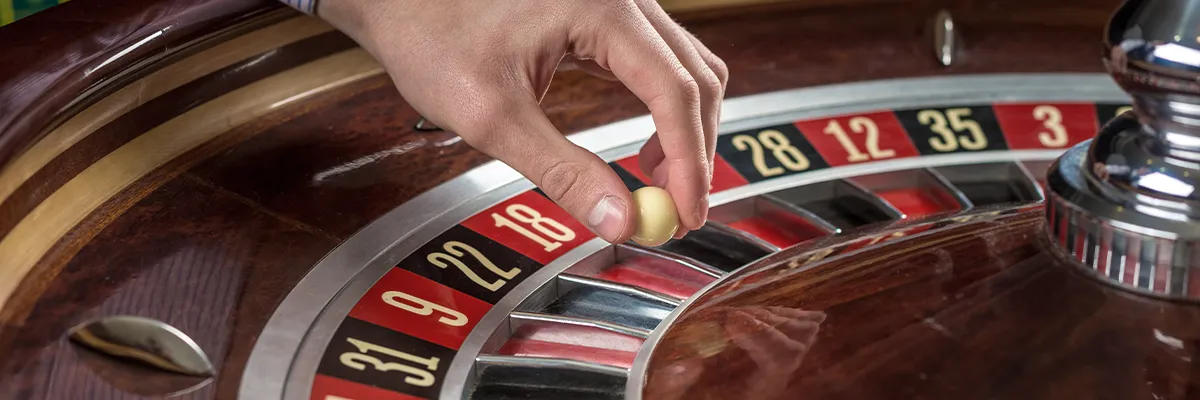
Roulette offers an elegant gaming experience, but not all roulette wheels provide the same odds. The version you choose dramatically impacts your chances of winning.
Three main variations exist, with significantly different house edges:
- American Roulette: Features 0 and 00 pockets, creating a high 5.26% house edge
- European Roulette: Single 0 pocket, reducing the house edge to 2.7%
- French Roulette: Single 0 pocket with the “la partage” rule that returns half your bet on even-money wagers when 0 hits, lowering the house edge to just 1.35% on those bets
The choice is obvious: seek out European or French roulette whenever possible. The difference between American and European roulette is nearly 2.6%—meaning you’ll lose your money almost twice as fast on an American wheel.
I consistently avoid American double-zero wheels, viewing them as a tax on players who don’t understand the odds. On a recent Las Vegas trip, I walked past several packed American roulette tables to find a single-zero European wheel at the high-limit room, which allowed me to play with the same minimums as the main floor.
| Roulette Variation | House Edge | Key Features |
|---|---|---|
| American | 5.26% | 0 and 00 pockets (38 total) |
| European | 2.70% | Single 0 pocket (37 total) |
| French | 1.35% | Single 0 + la partage rule |
Simple Moves to Maximize your Roulette Bets
Beyond choosing the right wheel, these strategies will improve your roulette experience:
- Stick to even-money bets (red/black, odd/even, high/low) for the lowest volatility
- Play French roulette with “la partage” when available to reduce house edge to 1.35% on even-money bets
- Avoid American double-zero wheels entirely
- Ignore betting systems like Martingale or Fibonacci—they don’t change the house edge
- Set time or money limits for your session
At the Monte Carlo in Las Vegas years ago, I watched a player lose over $3,000 in less than 20 minutes using a progressive betting system on an American wheel. Meanwhile, my steady even-money betting on a European wheel in the high-limit room extended my play for hours with a much smaller bankroll.
Games to Avoid: Worst Odds in the Casino
While smart game selection can minimize the house edge to under 1%, some casino games are genuine bankroll killers, with house edges 5-30 times higher than the best games.
These are the games I consistently avoid:
- Keno: With a house edge between 25-30%, keno is mathematically the worst game in most casinos. You’re better off playing almost anything else.
- Big Six Wheel (Wheel of Fortune): This carnival-like wheel game carries a massive house edge between 11-24% depending on which symbol you bet.
- Slot machines: Most physical casino slots have house edges of 8-12%, though this varies widely by machine and jurisdiction.
- Casino War: This simple card game has a surprisingly high 2.88% house edge on the main bet.
- Double-Zero Roulette side bets: The five-number bet (0, 00, 1, 2, 3) on American roulette has a 7.89% house edge.
The visual appeal and apparent simplicity of these games disguise their poor odds. I’ve witnessed players drain $100 bills into keno games or high-house-edge slots in minutes, while that same bankroll could provide hours of entertainment at a blackjack or craps table.
Particularly predatory are certain blackjack side bets (like “Lucky Ladies” with a 25% house edge) that tempt players with large payouts while silently eroding their bankrolls.
| Game | House Edge | $100 Expected Loss Per Hour |
|---|---|---|
| Keno | 25-30% | $25-30 |
| Big Six Top Symbol | 24% | $24 |
| Typical Slot Machine | 8-12% | $40-60* |
| American Roulette | 5.26% | $15.78 |
| Blackjack (Basic Strategy) | 0.5% | $1.50 |
*Higher hourly loss due to faster play speed
What About Slots?
Slot machines deserve special mention because they vary so dramatically in their return percentages: from terrible to reasonably competitive with table games.
Physical casino slots typically return between 85-92%, with higher denominations generally offering better odds. $1 slots usually return more than penny slots, and $5 slots more than $1 machines.
Online slots typically offer better returns than their physical counterparts, with many in the 94-96% range due to lower operating costs for online casinos.
The challenge with slots is their high volatility combined with fast play speed. A slot machine might have a 10% house edge and be played 600 times per hour, while blackjack has a 0.5% house edge played 60 hands per hour. This makes the hourly expected loss on slots about 20 times higher than blackjack!
When I occasionally play slots, I stick to licensed online platforms with published return percentages of 95%+ and set strict time and money limits for each session.
Strategies to Maximize Your Winning Potential
Beyond game selection, these practical strategies have helped me maintain a positive casino experience over many years:
- Establish a dedicated gambling bankroll. Separate from travel and living expenses. I never gamble with money I can’t afford to lose.
- Set session win goals and loss limits. My standard approach is to leave after doubling my buy-in or losing 70% of it. This prevents the common mistake of giving back winnings.
- Learn optimal strategy for skill-based games. The difference between basic strategy and guessing in blackjack can be 2-4% in expected return.
- Manage your playing speed. Slower play reduces your hourly expected loss. I take breaks, socialize, and never rush decisions.
- Use player’s club cards and maximize comps. Casino rewards can return 0.1-0.3% of your action, effectively reducing the house edge.
- Practice games online before playing for money. I regularly use free practice games to refine strategy without financial risk.
- Avoid alcohol while gambling. Studies show even moderate drinking leads to larger bets and strategic mistakes.
On a practical level, bankroll management is perhaps the most important skill. By dividing my total gambling budget into daily and session allocations, I ensure one bad run doesn’t eliminate my entire trip’s entertainment.
I’ve seen countless skilled players undone not by poor game selection or strategy but by poor bankroll management—betting too large a percentage on each hand or continuing to play after hitting their loss limits.
How Can You Play Smarter?
The smartest approach to casino gambling combines game knowledge with psychological discipline:
- View gambling as entertainment with a cost, not as an income opportunity. This mindset shift keeps expectations realistic.
- Study before you play. I spend time learning optimal strategy for any new game before risking significant money.
- Track your results. I keep records of sessions, which provides valuable perspective and helps identify which games are working best for my play style.
- Take regular breaks. Fatigue leads to poor decisions. I step away from the tables at least hourly.
- Practice mindfulness while playing. Emotional reactions to wins and losses leads to poor decisions. Stay present and stick to your pre-determined strategy.
My most successful casino trips have combined these principles with game selection and strategy knowledge. For example, during a recent Vegas trip, I divided my bankroll into daily allowances, focused on European roulette and blackjack, used maximum craps odds when available, and walked away from both winning and losing sessions according to pre-set limits. I returned home with most of my bankroll intact after four days of entertainment.
Online Casinos: Finding the Best Odds from Home
Online casinos typically offer better odds than their brick-and-mortar counterparts due to lower overhead costs. This advantage, combined with the convenience of home play, makes online gambling an attractive option for odds-conscious players.
The return to player percentages at reputable online casinos are often 1-3% higher across all game types:
- Online slots typically return 94-96% versus 85-92% in physical casinos.
- Many online blackjack games offer under 0.5% house edge with optimal rules.
- Video poker pay tables are generally more player-friendly online.
- European and French roulette are standard offerings rather than premium options.
Beyond better odds, online platforms offer two major advantages: the ability to play at your own pace without pressure, and the opportunity to practice for free before risking real money.
I regularly use online casinos to refine my strategy and enjoy convenient play, but I’m selective about platforms. I look for licensed operators with published RTP figures, independent auditing, and responsible gambling tools like deposit limits and self-exclusion options. In addition, I always compare casino welcome bonus options, since a strong promotion can boost your starting bankroll and reduce your early losses while you get comfortable with the games.
The transition between physical and online play is generally seamless for most casino games, though the social atmosphere of a craps table or the tactile experience of handling chips can’t be fully replicated online.
Where to Play Casino Games with Good Odds Online
Online gambling platforms generally fall into three categories, each with different legal status and game quality:
- Real-money casinos: Available in states with regulated online gambling (NJ, PA, MI, WV, CT, DE). These offer the best game selection and odds but are geographically restricted.
- Sweepstakes casinos: Legal in most US states, these sites use a dual-currency model where you purchase one currency and receive “sweeps coins” as a bonus, which can be redeemed for real prizes. Game selection and odds vary widely.
- Social casinos: Available nationwide, these free-to-play platforms use virtual currencies with no cash value. Often have worse odds than real-money alternatives.
I’ve found licensed platforms in regulated states provide the best overall experience, with transparent odds and wide game selection. When traveling outside these jurisdictions, I’ve had good experiences with larger sweepstakes casinos that offer decent approximations of real casino games.
The legal landscape continues to evolve rapidly, with more states considering online gambling regulation. Always check your local gambling laws before playing online.
Responsible Gambling: Keeping the Fun in the Game
No discussion of casino strategy would be complete without emphasizing responsible gambling practices. The best odds in the world won’t help if you don’t have systems to manage your play:
- Set firm deposit limits before playing. I establish daily, weekly, and monthly caps for gambling activities.
- Never chase losses. This common pattern turns a bad session into a potential financial problem.
- Use time management tools. I set session time limits and take regular breaks.
- Recognize warning signs of problem gambling, such as hiding gambling activity, borrowing money to gamble, or gambling interfering with work or relationships.
- View gambling as entertainment, not as a way to make money or solve financial problems.
Most reputable casinos (both online and physical) offer responsible gambling tools like self-exclusion programs, cooling-off periods, and deposit limits. I regularly use deposit limits online to ensure I stay within my entertainment budget.
I’ve seen firsthand how gambling problems can develop when people focus solely on winning rather than responsible enjoyment. The games are designed to be engaging and exciting which is why maintaining perspective and boundaries is essential.
Conclusion: Knowledge Is Your Best Bet
Throughout years of casino play across dozens of venues, I’ve found that knowledge truly is the best advantage a player can have. While the house edge ensures the casino will win in the long run, informed game selection combined with proper strategy can dramatically improve your odds of a winning session.
By focusing on low house edge games like blackjack (0.5%), video poker (0.46%), and craps with odds bets (0.8%), you’re giving yourself the best mathematical chance to succeed. Avoiding high house edge games like keno, Big Six, and certain slots saves your bankroll from quick depletion.
Remember that gambling should be approached as entertainment with a cost, not as an income opportunity. With the right knowledge, reasonable expectations, and disciplined play, casino gaming can provide exhilarating experiences without necessarily costing a fortune. The house edge is real, but as a smart player, you can minimize its impact and maximize your enjoyment.
FAQs
What casino game has the best odds of winning?
Blackjack offers the best odds for most players with just a 0.5% house edge using basic strategy. Full-pay video poker can be slightly better (0.46% house edge) but requires perfect play. Both games combine skill and chance, giving players some control over outcomes.
How is Return to Player (RTP) different from house edge?
Return to Player (RTP) and house edge are inverse values that total 100%. A game with a 5% house edge has a 95% RTP. House edge represents the casino’s expected profit, while RTP represents the average amount returned to players over time.
Can I use strategies to improve my odds of winning casino games?
Yes, but only in skill-based games like blackjack, video poker, and poker. In these games, optimal strategy can reduce the house edge significantly. For games of pure chance like slots or roulette, no strategy can change the built-in mathematical advantage.
Is card counting in blackjack legal, and how does it impact the odds?
Card counting is legal but casinos can refuse service to skilled counters. Effective counting can turn the house edge into a player advantage of 1-2%. Modern countermeasures like continuous shuffle machines and frequent deck reshuffling make counting increasingly difficult.
What are the worst odds (high house edge) casino games?
Keno has the worst odds with a 25-30% house edge. Other poor choices include Big Six Wheel (11-24%), many slot machines (8-12%), and casino side bets. For every $100 wagered on keno, players can expect to lose $25-$30 long-term.
What are the odds of winning Blackjack?
With basic strategy on a standard game, the house edge is about 0.5%, meaning a 99.5% return to player. Players win approximately 42.4% of hands, lose 49.1%, and push (tie) on 8.5%. In a single session, the odds of finishing ahead are close to 48%.
Are there any casino games where skilled players can gain a mathematical advantage?
Yes, a few casino games can become positive expectation with advanced skills. These include blackjack (through card counting), certain video poker variations (through perfect play on full-pay machines), and poker (playing against other players rather than the house).
Do online casino games have better odds than in-person casino games?
Generally yes. Online casinos have lower operating costs and more competition, allowing them to offer better odds. Online slots typically return 94-96% versus 85-92% in physical casinos. Many online table games also offer more player-friendly rules and payouts.
How do comps and player rewards affect the effective house edge?
Casino comps typically return 0.1-0.3% of your action in benefits like meals, rooms, or free play. If you’re playing a game with a 1% house edge and earning 0.2% in comps, your effective house edge becomes 0.8%. Higher-tier players usually earn comps at accelerated rates.
PokerListings 
Log in to join the discussion
Share your thoughts and see what others have to say.