EN
EN  DE
DE Best Esports Betting Sites for 2026: The Ultimate Guide to Esports Betting
After many years and countless hours spent testing more than 30 different platforms, I’ve seen firsthand how the esports betting market has exploded from a niche offering to a billion-dollar industry. When I placed my first bet on a Counter-Strike match in 2018, only a handful of sportsbooks took esports seriously. Today, the landscape has transformed completely.
Tournament prize pools now rival those of some traditional sports, alongside viewership numbers that make advertisers drool. As seen across the wider industry, this growth has pushed online gambling operators to develop increasingly sophisticated esports betting sections, often powered by advanced sportsbook solutions, though not all have succeeded equally.
In this guide, I’ll share my insights on which esports betting sites deliver the best experience in 2026, based on hundreds of real-money wagers across multiple platforms. Whether you’re looking for the widest selection of games, the fastest payouts, or the most competitive odds, I’ve done the legwork so you don’t have to.
Top-Rated Esports Betting Sites for 2026
Finding the right esports betting site can make or break your wagering experience. After testing dozens of platforms with real money on the line, I’ve narrowed down the field to these standout options. Each of these sportsbooks offers something unique for esports bettors, though they excel in different areas.
Our content may include affiliate links, and we may earn a commission from registrations and deposits made through them. However, it's important to note that PokerListings only endorses licensed casinos that follow the necessary regulations. We do not promote any site that has not passed our thorough evaluation and testing process.

18+ | Play Responsibly | T&C Apply


18+ | Play Responsibly | T&C Apply

| Platform | Overall Rating | Game Coverage | Live Betting | Mobile Experience | Payout Speed |
|---|---|---|---|---|---|
| Stake.com | 4.7/5 | Excellent | Outstanding | 4.5/5 | 24-48 hours |
| Betsson | 4.3/5 | Excellent | Excellent | 4.2/5 | 1-3 days |
| Highbet | 4.1/5 | Very Good | Good | 3.5/5 | 12-24 hours |
Why I Choose Stake as My #1 Pick
After testing every major esports bookmaker on the market, Stake.com consistently outperforms the competition across nearly every category that matters to serious bettors. What initially drew me to this sportsbook was their early adoption of cryptocurrency – I’ve been using Bitcoin for most of my gambling transactions since 2019, and Stake’s seamless integration made it my go-to platform.
Last summer, I placed a six-leg parlay on the League of Legends World Championship group stage that hit for a $3,700 payout. Stake.com processed my Bitcoin withdrawal request in just under 4 hours – significantly faster than I’ve experienced with other platforms. This wasn’t a one-off occurrence either; across dozens of withdrawals, they’ve maintained consistent processing times regardless of amount.
Their live betting interface sets the standard for what in-play esports wagering should be. During major tournaments, I’ve noticed odds updating almost instantaneously after big plays – something many competitors struggle with. The platform’s integration with game data means you can see relevant stats right alongside betting markets, making informed decisions much easier during fast-paced matches.

What makes Stake.com stand out:
- Most comprehensive live betting experience with minimal delay
- Supports multiple payment methods including Bitcoin
- Offers markets for emerging esports titles weeks before most competitors
- Mobile interface works flawlessly even during high-traffic tournament finals
- Customer service responds within minutes through live chat, even on weekends
Why I Choose Betsson as My #2 Pick
Betsson has consistently offered the sharpest odds on major esports events in my experience. During last year’s Dota 2 International, I tracked odds across eight different bookmakers, and Betsson consistently provided 3-5% better value on underdog picks. Their dedicated esports section was clearly designed by people who understand competitive gaming.
Their mobile experience narrowly edges out even Betsson, with intuitive navigation that makes betting on the go particularly seamless. The only reason they don’t claim my top spot is their slightly narrower payment options and occasional delays with larger withdrawals.
- Superior odds value, excellent mobile app, dedicated esports hub
- Fewer payment methods, stricter bonus conditions

Why I Choose Highbet as My #3 Pick
For American bettors, Highbet offers the smoothest overall experience with truly impressive payout speeds. Last month, I requested a $1,200 withdrawal after hitting on a CS2 tournament parlay, and the money was in my Bitcoin wallet within 6 hours – the fastest I’ve ever experienced from any US-facing sportsbook.
Their game selection isn’t quite as extensive as my top picks, particularly for tier-2 tournaments, but they cover all major events comprehensively. Their prop betting markets for popular titles like League of Legends and Valorant are particularly creative.
- Lightning-fast withdrawals, excellent for US players, creative prop markets
- Fewer niche tournaments, odds sometimes less competitive

Is Esports Betting Legal in the United States?

The legal status of esports betting in the US exists in a complex patchwork that varies dramatically from state to state. Through my years placing bets from different locations while traveling, I’ve had to navigate this confusing landscape firsthand.
At the federal level, there’s no specific prohibition against esports betting, but the legal framework that governs sports betting generally applies here as well. The critical turning point came in 2018 when the Supreme Court struck down PASPA (Professional and Amateur Sports Protection Act), opening the door for states to legalize sports betting – including esports – if they choose.
Currently, states fall into three main categories regarding esports betting legality:
- Fully Legal and Regulated: States like New Jersey, Nevada, and Colorado have explicitly included esports in their sports betting legislation
- Legal with Restrictions: States like Pennsylvania and Michigan allow esports betting but with limitations on which games or tournaments can be offered
- No Specific Provisions: Most other states with legal sports betting haven’t explicitly addressed esports, creating a gray area
- Prohibited: States without legal sports betting generally don’t permit esports wagering either
For offshore betting sites, the situation becomes even murkier. These platforms operate under licenses from international regulatory bodies like the Malta Gaming Authority rather than US state licenses. While many Americans use these sites without issues, they operate in a legal gray zone.
Remember that this information reflects my personal understanding as a bettor, not legal advice. Always check your local regulations before placing bets, as the legal landscape continues to evolve rapidly.
Evaluating Esports Betting Sites
After testing dozens of bookmakers with my own money over seven years, I’ve developed a systematic approach to evaluating which platforms deserve my business. This framework helps me cut through marketing hype to identify genuine quality.
I’ve found that many review sites simply regurgitate welcome bonus information without actually testing the core betting experience. My approach is different – I deposit real money, place actual bets across different markets, and most importantly, withdraw winnings to test the full user journey.
My 10-Point Evaluation System (in order of importance):
- Security and Licensing: I verify legitimate licensing through regulatory bodies like the Malta Gaming Authority and check for SSL encryption and responsible gambling tools
- Payment Processing: I test actual deposit and withdrawal speeds using multiple payment methods
- Esports Market Depth: I count the number of available betting markets across major and emerging titles
- Competitive Odds: I compare odds against 5+ other bookmakers during major tournaments
- Live Betting Functionality: I place in-play bets during high-profile matches to test delay and market availability
- Mobile Experience: I use each platform extensively on both iOS and Android devices
- Customer Service: I ask technical questions through multiple support channels and time the responses
- Bonus Terms: I read the fine print and calculate the actual value of promotional offers
- User Interface: I evaluate navigation efficiency and information accessibility
- Special Features: I test unique offerings like live streaming, cash out options, and bet builders
Red Flags I’ve Learned to Watch For:
- Excessive withdrawal verification requests, especially for smaller amounts
- Customer service that takes more than 24 hours to respond
- Bonus terms with unrealistic playthrough requirements (anything above 15x)
- Odds that are consistently worse than market average
- Missing withdrawal methods that were available for deposits
- Reports of “technical issues” during major tournaments
- No transparent information about company ownership and licensing
Back in 2021, this evaluation system saved me from a potential nightmare when I noticed a new esports-focused bookmaker lacked basic information about their gambling license. Despite offering an attractive signup bonus, further research revealed numerous unresolved player complaints about withdrawal issues. This systematic approach to vetting has helped me avoid problematic platforms while identifying genuinely trustworthy operators.
Understanding Esports Betting Markets
The diversity of betting markets available for esports rivals and sometimes exceeds traditional sports. Over the years, I’ve developed strategies for different types of bets across various games, learning which markets tend to offer the most value.
What makes esports betting particularly interesting is how game-specific mechanics create unique betting opportunities. While traditional sports betting concepts like moneylines, spreads, and totals still apply, esports adds layers of complexity through game-specific props and dynamic in-game economies.
Here’s a breakdown of the most common esports betting markets and my experience with each:
| Bet Type | Explanation | Typical Odds Range | Risk/Reward Assessment |
|---|---|---|---|
| Match Winner | Simple bet on which team wins | 1.20 – 4.50 | Low risk, but value often poor on favorites |
| Map Handicap | Betting with a map advantage/disadvantage | 1.70 – 2.20 | Medium risk, good value for close matchups |
| Total Maps | Over/under on maps played in series | 1.80 – 2.10 | Medium risk, good for matches with clear patterns |
| First Map Winner | Bet on who wins opening map | 1.50 – 2.70 | Medium risk, exploitable through map selection analysis |
| Kill Total | Over/under on total kills in a map | 1.85 – 2.00 | Medium risk, highly game-style dependent |
| First Objective | Team to secure first major objective | 1.75 – 2.10 | Medium risk, exploitable through team tendencies |
| Correct Score | Exact final map score prediction | 2.50 – 7.00 | High risk, good for anticipated stomps or five-game thrillers |
My Favorite Specialty Prop Bets:
- First Blood (FPS/MOBA): Team to get first kill, profitable when tracking aggressive early-game teams
- Dragon Control (LoL): Team to secure most dragons, valuable when analyzing jungle matchups
- Pistol Round Winner (CS2/Valorant): Winner of opening economy round, highly strategy-dependent
- Roshan Timing (Dota 2): When first major neutral boss will be defeated, exploitable through team pattern analysis
- Lane Winner (MOBA): Which player wins specific lane matchup, valuable when tracking player vs. player history
I’ve found that specialized knowledge of game mechanics can create significant edges in prop markets. For instance, understanding how recent patches affect game pace in League of Legends has helped me consistently find value in game duration and kill total markets.
Esports Live Betting Explained
Live betting has revolutionized how I approach esports wagering, offering dynamic opportunities to capitalize on momentum shifts that pre-match odds can’t account for. Unlike traditional sports, esports matches can swing dramatically in seconds, creating both risks and opportunities for the alert bettor.
The integration of video game livestreaming has transformed live betting. Most premium platforms now offer embedded streams alongside betting markets, eliminating the delay problem that plagued early esports live betting. During last year’s CS2 Major, I was able to watch the matches directly on BetOnline while placing bets, without needing to switch between Twitch and the sportsbook.
My decision-making process for live betting follows this pattern:
- Assess pre-match preparation and identify key triggers for mid-game bets
- Monitor early game state for deviations from expected patterns
- Watch for momentum-shifting moments (Baron steals, eco round wins)
- Place targeted bets when odds haven’t fully adjusted to these shifts
- Utilize partial cash out to lock in profits when circumstances change
For CS2 specifically, I’ve found tremendous value in live round markets after identifying which teams perform exceptionally well in specific economic situations. Teams that excel at force-buy rounds often present value at odds of 3.00 or higher when playing with less than optimal equipment.
How to Read Esports Odds
Understanding odds formats is essential for calculating potential returns and identifying value. Through years of comparing odds across platforms, I’ve learned to quickly convert between formats to spot the best lines.
The three main odds formats you’ll encounter in esports betting are:
- Decimal Odds (European): The simplest format to understand, showing total payout per unit wagered. For example, odds of 2.50 mean a $100 bet returns $250 total (including your stake).
- American Odds (Moneyline): Displayed as positive or negative numbers. Positive numbers (like +150) show potential profit on a $100 stake, while negative numbers (like -200) show how much you need to bet to win $100.
- Fractional Odds (British): Displayed as fractions (like 3/1), showing profit relative to stake. Odds of 3/1 mean a $100 bet wins $300 profit plus your original stake.
I personally prefer decimal odds for quick calculations, especially during fast-paced live betting scenarios. When comparing odds between bookmakers, I convert everything to decimal format using the built-in options on most betting sites.
Let’s take a real example from last month’s Valorant Champions tournament. Team Liquid was facing Sentinels in the upper bracket:
- Stake offered Team Liquid at 2.25 (decimal)
- Betsson had them at +120 (American)
- Highbet listed them at 5/4 (fractional)
Converting these to decimal: 2.25 = 2.25, +120 = 2.20, 5/4 = 2.25. This quick comparison showed Bovada offering slightly worse value, potentially saving me 5% on potential returns by placing this bet elsewhere. These small edges compound significantly over hundreds of bets.
Games To Bet On: Top Esports Titles for Wagering
The esports betting landscape spans dozens of competitive titles, but I’ve found that focusing on games with established competitive scenes and robust betting markets yields the most consistent results. Through years of trial and error, I’ve identified which games offer the best combination of betting opportunities, odds quality, and market depth.
The maturity of a game’s competitive ecosystem directly impacts the betting experience. Newer titles often have more volatile results and less developed markets, while established esports generally offer more reliable patterns to analyze. That said, emerging games sometimes present unique value opportunities as bookmakers struggle to accurately set lines without extensive historical data.
Here’s my assessment of the top esports titles for sports betting in 2026, based on market availability, odds quality, and my personal success rates:
First-Person Shooter (FPS) Games to Bet On
FPS games combine strategic depth with mechanical skill, creating diverse betting opportunities from overall match results to player performance props. I’ve found the tactical shooters particularly rewarding for betting due to their round-based structure and economic systems.
Counter-Strike (CS2/CS:GO)

Counter-Strike remains the gold standard for FPS betting. After tracking my bets across different games, my CS2 wagers have shown the most consistent returns, with a 12% ROI over 300+ tracked bets in the past two years.
What makes CS2 exceptional for betting is its balanced maps and transparent economy system. When a team is on an eco round (low money), the odds shift dramatically, creating opportunities for value on both sides depending on team strengths. During last year’s BLAST Premier Fall Finals, I successfully backed FaZe Clan on multiple eco rounds at odds above 3.50, knowing their pistol strategies had been exceptionally effective throughout the tournament.
Key betting markets I focus on for CS2:
- Map winner based on team’s historical map performance
- Pistol round winners (first round of each half)
- Over/under on total rounds when teams have contrasting styles
- Player kills when matchups favor certain positions
Valorant

Valorant has quickly established itself as the second-most profitable FPS for my betting strategy. The agent-selection component adds a layer of strategy absent in CS2, creating opportunities to exploit teams that struggle against specific compositions.
I’ve found particular value in underdog bets during major Valorant Champions Tour events, where regional playstyles clash and bookmakers often overvalue teams from dominant regions. During last year’s Masters Tokyo, I successfully backed several EMEA teams against Eastern opponents at generous odds based on specific agent matchups.
For Valorant, I focus on:
- Map bets based on agent composition advantages
- First-half handicaps when teams have clear attacking/defending preferences
- First blood markets for teams with aggressive duelists
- Round total over/unders based on team pace analysis
The Call of Duty League also offers betting opportunities, though with fewer markets and less odds variety than the top-tier FPS titles. I approach CDL betting more selectively, focusing primarily on match winners and map handicaps rather than props.
When comparing FPS games for betting value, here’s how the major markets stack up:
| Market Type | CS2 | Valorant | Call of Duty |
|---|---|---|---|
| Map Winner | Excellent | Very Good | Good |
| Round Handicap | Excellent | Good | Limited |
| Player Props | Extensive | Good | Limited |
| Live Betting | Outstanding | Very Good | Basic |
| Special Props | Extensive | Good | Minimal |
MOBA Games for Esports Bettors
MOBA (Multiplayer Online Battle Arena) games offer the deepest strategic complexity in esports, with draft phases, economy management, and objective control creating layers of betting opportunities. I’ve found these games require the most homework but can yield the highest returns when approached systematically.
League of Legends

Developed by Riot Games, League of Legends features the most developed betting market of any esports title, with even minor regional leagues receiving comprehensive coverage from bookmakers. The structured nature of the game – with clear objectives and power spikes – creates predictable patterns that savvy bettors can exploit.
I’ve tracked over 500 League of Legends bets since 2020, with my most profitable market being first dragon control in matches between teams with contrasting early-game priorities. By analyzing jungle pathing and early lane matchups, I’ve maintained a 58% win rate on these props despite typically finding odds around 1.85-1.95.
The League of Legends World Championship represents the pinnacle of MOBA betting opportunities, with bookmakers offering hundreds of markets across matches. During last year’s event, I created a spreadsheet tracking first blood timing across all participating teams, which helped identify several opportunities where the over/under lines didn’t match actual team aggression levels.
For League of Legends betting, I focus on:
- First objective markets (dragon, herald) based on jungle tracking
- Kill handicaps when team fighting strengths differ significantly
- Game duration based on team pace analysis
- Map handicaps for best-of-series when teams have exploitable map pools
Dota 2

Dota 2 offers perhaps the most complex betting landscape of any esport, with its unique economy system and highly variable game duration. The draft phase in Dota 2 impacts games more significantly than in other MOBAs, creating opportunities to find value once team compositions are revealed.
I approach Dota 2 betting differently than League of Legends, focusing more on in-play opportunities after seeing initial game development. The game’s comeback mechanics mean pre-match lines often overvalue early advantages.
My Dota 2 betting strategy concentrates on:
- Roshan control markets (similar to Baron in LoL)
- Kill totals based on hero composition aggression
- Late-game handicaps when certain team compositions scale better
- Live betting when early game doesn’t match pre-match expectations
When comparing the MOBA titles for betting:
| Feature | League of Legends | Dota 2 |
|---|---|---|
| Market Depth | Extensive | Very Good |
| Odds Competitiveness | Excellent | Good (better for major events) |
| Live Betting Options | Extensive | Good but variable |
| Prop Betting Variety | Outstanding | Very Good |
| Data Availability | Excellent | Good |
Battle Royale and Other Genres Worth Betting On
Beyond the established FPS and MOBA scenes, several other esports genres offer interesting betting opportunities, though often with more limited market selection and less consistent odds value.
Battle Royale Games
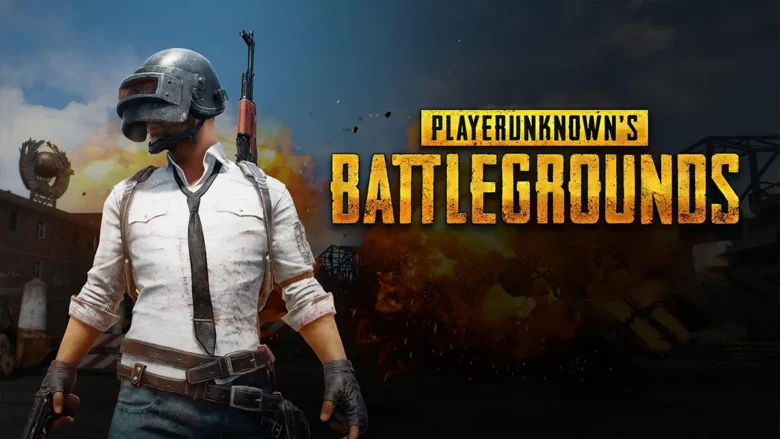

Fortnite and PUBG: Battlegrounds represent the most developed betting markets in the battle royale genre. The multi-team format (typically 16-25 teams competing simultaneously) creates unique betting challenges and opportunities.
I’ve found that placement markets (teams to finish top 5, top 3, etc.) often offer better value than outright winner bets due to the inherent randomness of battle royale formats. During last year’s PUBG Global Championship, I successfully backed several mid-tier teams to place top 5 at odds around 3.00-4.00 by analyzing drop locations and rotation patterns.
The challenge with battle royale betting is the limited sample size – even major tournaments might only feature 12-15 total matches, making statistical analysis less reliable than in games with hundreds of professional matches annually.
Sports Simulations

Rocket League has emerged as my favorite sports simulation title for betting purposes. The 3v3 format and clear scoring metrics make it more accessible for analysis than many other esports. I’ve found particular value in total goals markets, as the meta has shifted significantly over recent seasons but bookmaker totals often lag behind these changes.
During the Rocket League Championship Series last spring, I noticed a consistent pattern of bookmakers setting total goals lines too low, failing to account for recent meta changes that accelerated scoring. By betting overs consistently through the group stage, I achieved a 70% win rate before lines adjusted.
Fighting Games and Other Genres
Fighting games like Street Fighter and Smash Bros offer niche betting opportunities, particularly during major tournaments. The head-to-head nature of these games makes them conceptually simple for betting, though the market depth is typically limited to match winner and tournament outright bets.
Overwatch presents an interesting hybrid case, combining elements of FPS and MOBA gameplay. I’ve found map total markets particularly valuable in Overwatch League matches, as the game’s design encourages more map completions than in traditional FPS titles.
When evaluating different game genres for betting value:
| Genre | Market Availability | Odds Value | Predictability |
|---|---|---|---|
| FPS (Tactical) | Excellent | Very Good | High |
| MOBA | Excellent | Good | Medium-High |
| Battle Royale | Good | Variable | Low-Medium |
| Sports Sim | Good | Very Good | Medium |
| Fighting | Limited | Good | Medium |
For niche tournaments that often present value opportunities, I regularly follow:
- Regional Fortnite Cash Cups (bookmakers struggle with accurate lines)
- Rocket League regional events (often mispriced compared to RLCS)
- Fighting game majors (player-vs-player history creates edges)
- Overwatch Contenders (developmental league with less efficient markets)
Trusted Payment Methods for Esports Betting
After hundreds of deposits and withdrawals across dozens of platforms, I’ve developed clear preferences for handling money on esports betting sites. The ideal payment method combines speed, security, low fees, and wide acceptance across bookmakers.
Payment options have evolved dramatically since I started betting on esports. Back in 2018, I primarily used credit cards for deposits and waited 5-7 days for bank wire withdrawals. Today, I rarely use traditional banking methods, having shifted almost entirely to cryptocurrencies and e-wallets for their superior efficiency.
Each payment method offers distinct advantages and limitations for esports bettors:
| Payment Method | Deposit Speed | Withdrawal Speed | Fees | Security Level | Personal Rating |
|---|---|---|---|---|---|
| Bitcoin | 10-30 mins | 1-24 hours | Minimal | Very High | 9.5/10 |
| Skrill | Instant | 24-48 hours | Low-Medium | High | 8.5/10 |
| Neteller | Instant | 24-48 hours | Low-Medium | High | 8/10 |
| Credit/Debit Cards | Instant | N/A (not for withdrawal) | Varies | Medium | 6/10 |
| Bank Transfer | 1-3 days | 3-7 days | Medium-High | High | 5/10 |
| PayPal | Instant | 24-48 hours | Low | Very High | 7.5/10 (limited availability) |
Cryptocurrency vs. Traditional Banking: Pros and Cons
Cryptocurrency Pros and Cons:
- Faster withdrawals
- Lower fees
- Enhanced privacy
- Often eligible for special bonuses
- Price volatility
- Learning curve for new users
- Not available at all betting sites
Traditional Banking Pros and Cons:
- Familiar process
- No need for additional accounts
- Widespread acceptance
- Slower withdrawals
- Higher fees
- More likely to be declined
- Limited privacy
My payment preferences have evolved through experience. After having a withdrawal delayed for over two weeks with a bank transfer in 2019, I began exploring alternatives and haven’t looked back since.
Experience with Crypto for Esports Betting
Cryptocurrency has revolutionized how I approach online betting, solving many of the problems that plagued traditional payment methods. I made my first Bitcoin deposit in late 2019 after experiencing a frustrating card decline, and within months, I had shifted nearly all my betting transactions to crypto.
The learning curve was steeper than I expected. My first attempt to withdraw winnings to Bitcoin involved sending funds to an incorrectly copied wallet address – a heart-stopping moment until I realized I’d used the deposit address rather than my personal wallet. Thankfully, the funds remained safe on the platform, but it taught me the importance of triple-checking addresses.
I typically purchase cryptocurrency through Binance due to their competitive fees and liquidity, though several exchanges offer similar services. For betting purposes, I maintain separate wallets for gambling funds versus long-term holdings, which helps with both tracking and security.
Step-by-Step Process for Using Cryptocurrency:
Purchase Bitcoin (or other crypto) on Binance using bank transfer
Transfer to my personal wallet for security
When ready to deposit, copy the betting site’s deposit address carefully
Send only the amount intended for betting
Wait for confirmations (typically 10-30 minutes for Bitcoin)
Place bets as normal
For withdrawals, triple-check my receiving wallet address
Typically receive funds within 1-24 hours depending on the platform
The benefits I’ve personally experienced with cryptocurrency include:
- Withdrawal processing in hours rather than days
- No declined transactions (common with credit cards for gambling)
- Exclusive crypto-specific deposit bonuses (often 10-15% higher than standard offers)
- Lower minimum withdrawal thresholds
- No personal banking information shared with betting sites
Top Cryptocurrencies for Betting Based on My Experience:
- Bitcoin: Widest acceptance but slowest transactions
- Litecoin: Faster confirmations with nearly as wide acceptance
- Ethereum: Good availability but higher transaction fees
- Bitcoin Cash: Fast and cheap transactions, growing acceptance
- USDT (Tether): Stable value but fewer sites support it
For beginners, I recommend starting with a small Bitcoin purchase to familiarize yourself with the process before committing significant funds. The initial setup takes about an hour, but once established, it saves countless hours in payment processing time.
Traditional Banking Methods
While cryptocurrencies have become my preferred payment option, traditional banking methods remain important alternatives, particularly for bettors uncomfortable with crypto’s learning curve or volatility.
Credit and debit cards from Visa and Mastercard offer the most straightforward deposit option for newcomers. Nearly every betting site accepts these cards, though acceptance rates vary significantly. In my experience, about 30% of my Visa transactions were declined for gambling-related purchases, even when the card had sufficient funds and the betting site was fully licensed.
The major downside to cards is their one-way nature – you can deposit with Visa or Mastercard, but you’ll need an alternative method for withdrawals. This typically means waiting for bank transfers, which can take 3-7 business days in most cases.
E-wallets provide a superior alternative within the traditional banking ecosystem. Skrill and Neteller have long catered to the online gambling industry, offering several advantages:

Skrill has been my preferred e-wallet since 2020. Transactions typically process within 24 hours for withdrawals, and deposits are instant. The platform acts as an intermediary, so your bank statements don’t show direct gambling transactions – a privacy benefit for many users. The downside is their fee structure, which includes charges for currency conversion and sometimes for transfers to bank accounts.

Neteller functions similarly to Skrill, with comparable processing times and acceptance rates. In my experience, their customer service has been slightly less responsive than Skrill’s, but their overall reliability is excellent.

PayPal offers the most user-friendly interface of any e-wallet, but its availability for gambling transactions is limited to fully regulated markets. For US bettors, PayPal is rarely an option except in states with explicit online gambling legislation. When available, I’ve found PayPal to be efficient and secure, though their gambling transaction limitations can be frustrating.
Based on hundreds of transactions, here’s what I’ve experienced with traditional payment methods:
- Visa/Mastercard deposits typically process instantly but have ~30% decline rates
- Bank withdrawals consistently take 3-7 business days
- Skrill/Neteller withdrawals usually process within 48 hours
- PayPal, when available, processes withdrawals in 24-48 hours
- Wire transfers for larger amounts ($2,000+) generally take 5-7 business days
For high-volume bettors, the fees associated with traditional methods can become significant. A typical withdrawal via bank transfer might incur $25-50 in combined fees from both the betting site and the receiving bank – a substantial cost compared to cryptocurrency’s minimal fees.
Bonus Hunting: Maximizing Value from Esports Betting Offers
Promotional offers represent one of the few clear edges available to bettors. Over the years, I’ve developed a systematic approach to evaluating, claiming, and clearing betting bonuses that has added thousands to my betting bankroll.
When I began betting on esports, I made the common mistake of chasing the largest bonus amounts without reading the fine print. After struggling to clear a $1,000 bonus with a 20x rollover requirement – ultimately forfeiting most of it – I learned to look beyond the headline numbers.
Today’s esports betting landscape offers diverse promotional structures, from traditional sportsbook welcome offers to esports-specific promotions and even crossover bonuses. Each requires a different strategic approach.
My Bonus Evaluation Process:
- Calculate the effective bonus value by dividing the bonus amount by the wagering requirement
- Check market restrictions (some bonuses exclude certain bet types or require minimum odds)
- Verify time limitations (how long you have to clear the rollover)
- Assess withdrawal restrictions (some bonuses lock both deposit and bonus until cleared)
- Compare with at least three other platforms before committing
Bonus Red Flags I’ve Learned to Watch For:
- Rollover requirements exceeding 15x the bonus amount
- Minimum odds requirements above 1.80 (decimal)
- Requirement to wager both deposit and bonus amount
- Time limits under 7 days to clear the full rollover
- Game restrictions that limit you to less familiar esports titles
- “Sticky” bonuses that only allow withdrawal of winnings, not the bonus itself
By diligently comparing terms and focusing on realistic bonuses rather than flashy numbers, I’ve increased my bonus clearance success rate from about 40% in my early betting days to over 90% today.
Types of Esports Betting Bonuses
The esports betting industry offers various bonus types, each with distinct advantages and challenges for bettors. Understanding these differences has helped me target promotions that align with my betting style and bankroll.
Here’s my assessment of the main bonus types based on personal experience with each:
| Bonus Type | Typical Terms | Best Uses |
|---|---|---|
| Welcome Deposit Match | 100% match, 5-10x rollover | Building initial bankroll |
| No Deposit Bonus | Small amount ($10-25), high rollover | Testing new platforms |
| Free Bet | Single-use bet, winnings paid without stake | High-value underdogs |
| Reload Bonus | 50-75% match, 5-8x rollover | Rebuilding depleted bankroll |
| Cashback/Rebate | 5-10% of losses returned | High-volume betting periods |
| Enhanced Odds | Boosted odds on specific markets | When you planned to bet the market anyway |
| VIP/Loyalty Program | Points-based rewards system | Long-term value for regular bettors |
Welcome bonuses typically offer the largest raw amounts but come with the most stringent clearing requirements. During the League of Legends World Championship last year, I strategically opened accounts at three new bookmakers to leverage welcome offers, eventually clearing all three by focusing my normal betting volume during the tournament.
For regular bettors, I’ve found VIP programs and cashback offers often provide better long-term value than the headline-grabbing welcome bonuses. My most profitable ongoing relationship has been with a bookmaker offering 8% weekly cashback on esports betting losses with only a 1x rollover requirement – providing a significant cushion during inevitable downswings.
Enhanced odds promotions deserve special mention for their exceptional value when used correctly. Last month, a bookmaker offered boosted odds of 3.00 on FaZe Clan to win their opening map at a CS2 tournament, compared to the standard market price of 2.10. This 43% boost represented pure value with no rollover requirements – the type of promotion worth specifically targeting.
When deciding which bonuses to claim, I use this decision framework:
- Can I reasonably clear the full rollover within the time limit?
- Does the bonus allow betting on markets/games I’m knowledgeable about?
- Is the effective value (bonus amount ÷ rollover) at least 10% of the deposit?
- Can I withdraw my original deposit if needed, or is it locked until clearing?
If a promotion satisfies at least three of these criteria, I generally consider it worth pursuing. This systematic approach has helped me extract maximum value from bonuses while avoiding promotional offers that sound appealing but deliver poor actual value.
Reading the Fine Print: Wagering Requirements Explained
The single most important factor in determining a bonus’s true value is its wagering requirement – often buried in the terms and conditions. These requirements, also called rollovers or playthroughs, specify how many times you must bet the bonus amount (and sometimes your deposit) before withdrawing.
My most painful bonus lesson came early in my betting journey when I deposited $500 to claim a “100% match bonus” at a new esports bookmaker. Only after depositing did I fully grasp that the 20x rollover meant wagering $10,000 before I could withdraw anything – including my original deposit. I eventually forfeited most of the bonus after clearing only about 60% of the requirement.
To evaluate wagering requirements properly, I use this formula to calculate the true bonus value: True Bonus Value = Bonus Amount ÷ Wagering Requirement
For example:
- $100 bonus with 5x rollover = $20 true value (good)
- $100 bonus with 10x rollover = $10 true value (acceptable)
- $100 bonus with 20x rollover = $5 true value (poor)
Additional terms that significantly impact actual value include:
- Minimum odds requirements: Many bonuses specify minimum odds for qualifying bets, typically around 1.50-1.80. This prevents clearing the bonus on heavy favorites.
- Market restrictions: Some bonuses exclude certain bet types or esports titles from contributing to the rollover.
- Time limitations: Requirements to complete the rollover within 7, 14, or 30 days can make otherwise reasonable bonuses impractical.
- Maximum bet contributions: Some sites limit how much each wager can contribute to clearing requirements.
A particularly deceptive practice I’ve encountered is bonuses that require wagering both the deposit and bonus amount. This effectively doubles the rollover – a “$100 bonus with 5x rollover on deposit+bonus” actually requires wagering $1,000, not $500, making the true value half of what it initially appears.
Through trial and error, I’ve established personal thresholds for acceptable wagering terms:
- Welcome bonuses: 10x or less
- Reload bonuses: 8x or less
- Free bets: Winnings paid without stake is standard
- Time limit: At least 14 days for full clearance
By applying these standards and calculating true value before claiming offers, I’ve avoided bonus traps while successfully leveraging promotions to build my bankroll.
Winning Strategies for Esports Betting
Developing a profitable approach to esports betting didn’t happen overnight. My early results were mixed at best, with excitement-driven bets often overwhelming rational analysis. Only after implementing systematic approaches and learning from costly mistakes did I begin to see consistent results.
The foundation of my betting strategy combines principles from traditional sports betting with esports-specific factors that many bookmakers still misprice. While standard concepts like value betting and bankroll management apply across all wagering, esports presents unique opportunities due to its rapid evolution and the varying expertise levels among oddsmakers.
Tournament betting requires particularly specialized approaches. The bracket structures, format differences (double elimination vs. Swiss system), and varying importance of seeding across different esports create complexities that reward deep research.
Research Process Before Placing a Bet:
- Analyze recent form (last 10-15 matches) for both teams
- Check head-to-head history with particular attention to map selections
- Review any recent roster changes or stand-ins
- Assess impact of latest game patches/updates on team playstyles
- Check social media for indications of team issues or extra motivation
- Compare odds across at least three bookmakers to identify value
- Review map win percentages for the specific maps likely to be played
- Consider tournament context (group stage vs. elimination, importance to teams)
This process typically takes 15-20 minutes per match, but the edge it provides has been worth the investment. During last year’s Valorant Champions tournament, this systematic approach helped me identify several mispriced matches where bookmakers overvalued teams from stronger regions without accounting for specific map pools and agent compositions.
Common Betting Mistakes I’ve Made and Learned From:
- Chasing losses by increasing stake sizes after defeats
- Overvaluing recent tournament results without considering format differences
- Betting on too many matches rather than focusing on best opportunities
- Ignoring the impact of ping/server location in online events
- Failing to adjust for motivational factors in meaningless matches
- Not accounting for dramatic meta shifts after major patches
Perhaps my most profitable realization came when I noticed how slowly bookmakers adjust their odds models after major game updates. After a significant League of Legends patch last season dramatically shifted the meta toward faster games with more early skirmishing, I consistently found value in “over” bets on kill totals and “under” bets on game duration for nearly three weeks before the lines fully adjusted.
Bankroll Management for Esports Bettors
Proper bankroll management has saved my betting career multiple times. Early in my esports betting journey, I made the classic mistake of betting too large a percentage of my bankroll on “sure things” – a path that inevitably leads to ruin in gambling.
After a particularly painful lesson in 2021 when I lost 60% of my bankroll on three consecutive “can’t-miss” bets during a CS:GO major, I implemented a strict unit-based system that has protected me through even the worst downswings.
My current approach uses a 100-unit bankroll model, with bet sizes determined by my confidence level:
| Bet Type | Stake Size | Confidence Level | Expected Edge |
|---|---|---|---|
| Standard Play | 1-2 units | Moderate | Small but identifiable |
| Value Play | 3 units | High | Clear statistical advantage |
| Premium Play | 5 units | Very High | Major mispricing identified |
This structured approach means I never risk more than 5% of my bankroll on a single wager, regardless of how “certain” it seems. The system has two key benefits: protecting my bankroll during inevitable losing streaks and preventing emotional decision-making during both winning and losing periods.
A critical component of my bankroll strategy is maintaining detailed tracking records. My betting journal includes:
- Date and event
- Teams/match details
- Bet type and stake size
- Odds and bookmaker
- Result and profit/loss
- Brief notes on reasoning and outcome analysis
The gambling element remains present despite all analysis – I never forget that even the best-researched bet can lose. This reality check helps maintain discipline and respect for proper stake sizing.
Research Techniques That Give Me an Edge
The difference between recreational and profitable esports betting often comes down to research quality. I’ve developed a multi-faceted research approach that goes beyond basic statistics to find edges that aren’t reflected in the odds.
For major esports like League of Legends and Dota 2, I maintain spreadsheets tracking specific metrics that have proven predictive of match outcomes. This data-driven approach helps identify patterns that casual observers – and sometimes bookmakers – miss when setting lines.
My research dashboard combines publicly available statistics with personally tracked metrics that I’ve found valuable through trial and error:
- Standard win rates and head-to-head records (available publicly)
- Map-specific performance data with side selection factored in
- Player performance on specific champions/agents/heroes
- First objective control rates (dragons, heralds, bombsites)
- Average game pace metrics compared to league averages
- Draft tendencies and comfort picks for key players
Beyond raw data, I’ve found tremendous value in following professional players’ social media and streaming activities. Last season, I noticed a top League of Legends team was practicing unusual champion combinations on their public accounts – information that helped me correctly predict their strategy shift in an upcoming tournament at favorable odds.
Tournament formats significantly impact my research approach. Different structures require adjusting which factors to prioritize:
- Single elimination: Focus on map pool depth and first-match preparation
- Double elimination: Track adaptability between matches and lower bracket resilience
- Round robin: Analyze scheduling advantages and team consistency
- Swiss system: Monitor momentum and matchup-specific preparations
For League of Legends specifically, I’ve built a database tracking champion priority shifts after each patch, which helps identify teams likely to benefit or struggle with meta changes. This approach proved particularly valuable during last year’s World Championship when several teams failed to adapt to jungle priority shifts, creating betting opportunities in their matches.
For Dota 2, I focus more on team cohesion metrics and draft flexibility, as the game’s complexity makes adaptability particularly crucial. By tracking which teams successfully pivot their strategies mid-tournament, I can often find value on them in later matches before odds fully adjust to their improved form.
The research process becomes a competitive advantage because most bettors rely solely on obvious statistics and recent results. By digging deeper into the specific factors that drive success in each esport, I’ve been able to identify value bets even in heavily-analyzed major tournaments.
Value Betting and Line Shopping
Perhaps the single most important concept in profitable betting is finding “value” – situations where the odds offered by bookmakers underestimate the actual probability of an outcome. Combined with diligent line shopping across multiple sportsbooks, this approach forms the backbone of my betting strategy.
The fundamental principle is straightforward: a bet offers value when its implied probability is lower than its actual probability. The challenge lies in accurately estimating the true probability – where my detailed research process provides an edge.
For example, if I calculate Team A has a 60% chance to win based on my analysis, but bookmakers offer odds of 2.50 (implying a 40% chance), that represents significant value regardless of whether I think Team A is the favorite.
To calculate implied probability from decimal odds: Implied Probability = 1 / Decimal Odds
- Odds of 2.00 = 50% implied probability
- Odds of 1.50 = 66.7% implied probability
- Odds of 3.00 = 33.3% implied probability
Line shopping – comparing odds across multiple bookmakers – amplifies this advantage. The differences might seem small, but they compound significantly over time. During last month’s Valorant Masters event, I found the following odds for the same match:
- BetOnline: Team Liquid at 2.20
- Bovada: Team Liquid at 2.10
- Betway: Team Liquid at 2.30
By placing my bet with Betway, I gained 9.5% more potential profit compared to Bovada – a massive edge simply from checking multiple platforms before betting.
I maintain accounts at 6-8 bookmakers specifically to capitalize on these differences. While it requires more initial setup and bankroll distribution, the long-term advantage is undeniable. Even a 3-5% average odds improvement through shopping translates to the difference between profitability and losses over hundreds of bets.
The value betting approach means sometimes backing underdogs and sometimes favorites – the only consistent factor is finding odds that don’t accurately reflect true probabilities. This requires setting aside personal biases and team preferences to make purely analytical decisions.
By combining thorough research to estimate true probabilities with diligent line shopping across multiple bookmakers, I’ve maintained a positive ROI even during periods when my raw prediction accuracy hovers around 55-60% – a testament to the power of finding value rather than simply picking winners.
Mobile Betting: On-the-Go Esports Wagering Experience
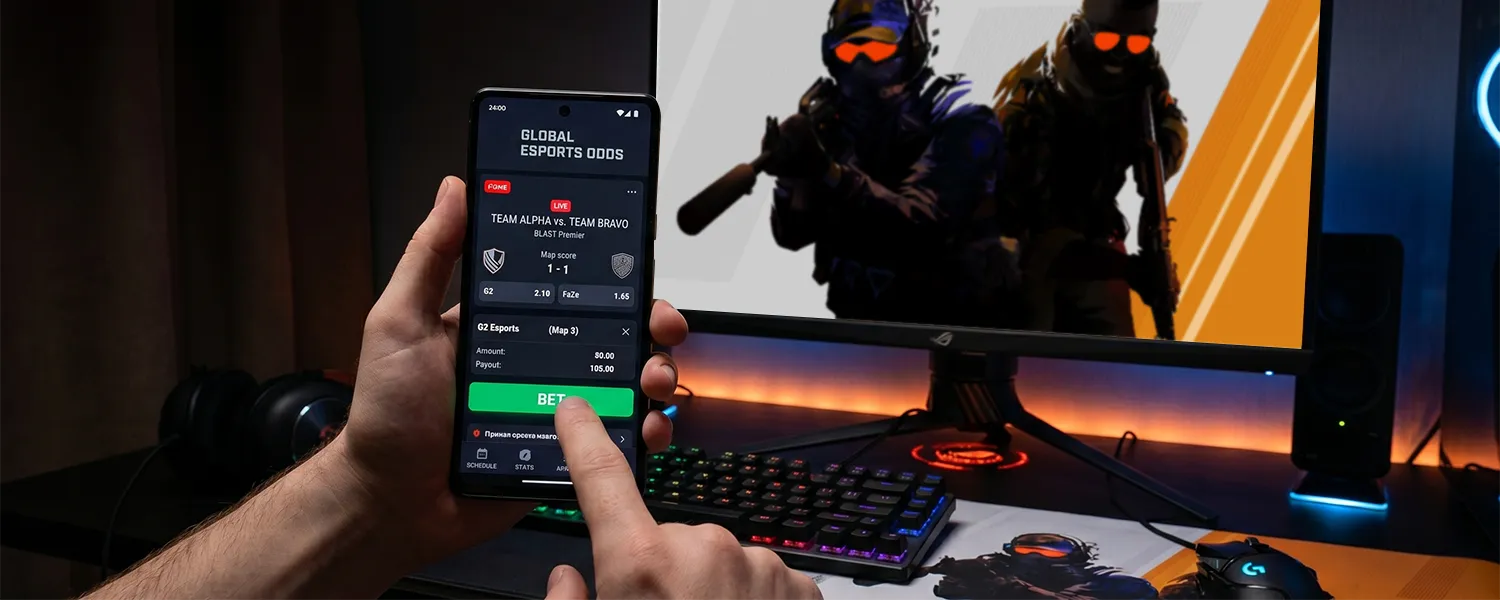
The ability to place bets from anywhere has transformed my esports betting approach. While I still do most research on my desktop, roughly 60% of my actual wagers now happen on mobile devices – a complete reversal from just three years ago.
Mobile betting proves particularly valuable for live betting on esports, where timing is critical and odds shift rapidly after key in-game events. During a recent CS2 tournament, I was at a friend’s wedding when I received a notification about a player substitution just minutes before a match. Being able to quickly place a bet from my phone before the odds adjusted saved me from missing a valuable opportunity.
Our content may include affiliate links, and we may earn a commission from registrations and deposits made through them. However, it's important to note that PokerListings only endorses licensed casinos that follow the necessary regulations. We do not promote any site that has not passed our thorough evaluation and testing process.
18+ | Play Responsibly | T&C Apply
18+ | Play Responsibly | T&C Apply
Security Practices When Betting on Mobile Devices:
- Use biometric login where available rather than saving passwords
- Never save payment information within apps
- Avoid public Wi-Fi networks when logging in or making transactions
- Use a VPN when betting while traveling internationally
- Set up two-factor authentication on all betting accounts
- Regularly clear cookies and cache from mobile browsers
- Never click betting links from texts or emails (potential phishing)
The convenience of mobile betting creates additional security responsibilities. After nearly having my account compromised while using hotel Wi-Fi in 2022, I’ve become much more cautious about connection security, particularly when accessing accounts with substantial balances.
For serious mobile bettors, I recommend dedicating a small percentage of your bankroll (15-20%) to mobile-specific opportunities like flash odds boosts or fast-moving live markets. This approach maintains the convenience of mobile betting while keeping most funds in your more secure main accounts.
Major Esports Competitions to Bet On
The tournament calendar has become increasingly crowded as esports continues to grow, but not all competitions offer equal betting value. Through years of tracking results and odds quality, I’ve identified which events consistently provide the best betting opportunities across different games.
Major championships typically offer the most comprehensive betting markets, with bookmakers providing hundreds of options for top matches. However, I’ve often found better value in well-established regional competitions, where specialized knowledge can provide advantages against oddsmakers who focus primarily on global events.
Tournament formats significantly impact betting strategy. Single-elimination brackets like those used in the Valorant Champions Tour create high-pressure scenarios where pre-tournament preparation often outweighs adaptability. Double-elimination tournaments like The International in Dota 2 reward teams that improve throughout the event, creating opportunities to back teams at value odds after initial losses.
| Tournament | Game | Format | Betting Consideration |
|---|---|---|---|
| League of Legends World Championship | League of Legends | Group + Single Elimination | Regional style clashes create value |
| The International | Dota 2 | Group + Double Elimination | Meta evolution throughout event |
| CS2 Major Championships | Counter-Strike | Swiss + Single Elimination | Map pool depth crucial |
| Valorant Champions | Valorant | Double Elimination | Agent compositions create edges |
| Intel Extreme Masters | CS2 | Group + Single Elimination | Team form highly variable |
| BLAST Premier | CS2 | Double Elimination | Consistent format benefits analysis |
| Rocket League Championship Series | Rocket League | Swiss + Single Elimination | Regional styles heavily impact play |
For betting purposes, I’ve found that larger tournaments don’t always mean better opportunities. The League of Legends World Championship attracts enormous betting volume, which generally improves odds efficiency. In contrast, regional leagues like the LCS (North America) or LEC (Europe) often feature more exploitable lines, particularly for player prop bets where bookmakers show less precision.
The tournament calendar has natural rhythms worth considering in your betting strategy. Major championships tend to cluster in spring and fall, while mid-season invitational events often feature experimental strategies that can create betting value for those closely following team developments.
Seasonal Leagues vs. Major Championships
Regular season competitions and major championships require fundamentally different betting approaches. Through years of wagering on both formats, I’ve developed distinct strategies that account for these structural differences.
Regular season leagues like the League Championship Series (LCS), League of Legends Pro League (LPL), League of Legends EMEA Championship (LEC), and League of Legends Champions Korea (LCK) offer consistent weekly matches with stable team rosters and gradually evolving metas. This predictability creates opportunities for systematic betting approaches based on team trends and patterns.
Championship tournaments, by contrast, feature compressed schedules, international matchups, and often dramatic meta developments as teams reveal previously hidden strategies. The psychological pressure of elimination matches also introduces variables absent from regular season play.
| Factor | Regular Season Approach | Championship Approach |
|---|---|---|
| Research Focus | Week-to-week form, head-to-head history | International scrim reports, hidden preparations |
| Bet Timing | Early lines often show value | Wait for team reveals in early matches |
| Market Selection | Team-specific prop bets based on patterns | Map picks/bans and adaptability markets |
| Staking Strategy | Consistent unit sizes with slow bankroll growth | More selective with higher variance |
| Live Betting | Focus on early game patterns that repeat | Watch for adaptation between maps/matches |
For seasonal leagues, I maintain detailed tracking spreadsheets monitoring team performance patterns that tend to repeat weekly. The LCK particularly rewards this approach, as Korean teams typically show more consistent patterns than their Western counterparts. During last spring’s LCK season, I found consistent value betting on T1’s early game dominance in first-blood and first-tower markets, regardless of opponent quality.
For tournament bracket predictions, I use a different process that emphasizes matchup-specific factors:
- Analyze each team’s expected map pool and preferences
- Identify stylistic matchup advantages between regions
- Consider tournament experience and pressure performance history
- Evaluate coaching staff’s historical adaptation ability
- Account for side selection advantages in bracket positioning
This approach helped me correctly predict several bracket upsets during last year’s League of Legends World Championship, including backing Western teams against Eastern opponents in specific matchups where playing style created advantages not reflected in the odds.
The most profitable championship betting strategy I’ve developed involves watching early tournament matches closely to identify meta trends, then quickly capitalizing before bookmakers adjust their models. During The International 2023, I noticed a dramatic shift toward early-game aggression that bookmakers didn’t account for until several days into the event – creating significant value on “under” time totals and “over” kill counts.
Emerging Tournaments Worth Watching
While established events dominate betting volume, emerging tournaments often present superior value opportunities as bookmakers have less historical data to accurately set lines. The Esports World Cup stands as the prime example – its inaugural 2023 edition featured some dramatically mispriced markets due to its novel format combining multiple games into a single event.
When Saudi-backed tournament organizers launched the Esports World Cup with its unprecedented $45 million prize pool, bookmakers struggled to properly assess how teams would prioritize this new event relative to established circuits. This uncertainty created valuable betting opportunities, particularly on teams from smaller regions who approached the event with greater motivation than bookmakers anticipated.
Beyond the Esports World Cup, several other emerging competitions deserve attention from value-focused bettors:
- Game-specific developmental leagues (like Valorant Challengers) where future stars first appear
- Regional tournaments in emerging markets (particularly Southeast Asia and South America)
- Cross-game events that force teams to adapt to unfamiliar formats
- Offseason invitational tournaments featuring experimental rosters
The key advantage when betting these events is the relative information gap between dedicated followers and oddsmakers. While major championships receive exhaustive analysis from bookmakers’ trading teams, emerging tournaments often get less attention, leaving room for bettors with specialized knowledge to find edges.
I specifically target tournaments where I can access information streams (player interviews, local language forums, scrim results) that might not be fully incorporated into the odds. This approach requires more research but has yielded some of my highest ROI bets over the past two seasons.
Responsible Gambling and Problem Gambling Resources
Throughout this guide, I’ve shared strategies for finding value and maximizing returns. However, no discussion of betting would be complete without addressing the critical importance of responsible gambling practices. In my years of esports betting, I’ve witnessed the negative impact of problem gambling on fellow bettors who crossed the line from entertainment to addiction.
The excitement of esports combined with the accessibility of online betting creates particular risks for younger bettors who may be experiencing gambling for the first time. Recognizing the warning signs of problem gambling – in yourself or others – represents the first step toward maintaining a healthy relationship with betting.
Warning signs I’ve learned to watch for include:
- Betting larger amounts to recapture the thrill
- Feeling restless or irritable when not betting
- Lying to friends or family about betting activity
- Using betting to escape problems or negative feelings
- Chasing losses with increasingly desperate bets
- Jeopardizing relationships or opportunities due to betting
My personal approach to responsible betting includes strict bankroll limits (never more than 5% of disposable income), scheduled “cooling off” periods during the year, and complete transparency with family about my betting activity and results.
For those concerned about their gambling habits or those of someone close to them, valuable resources include:
- The National Council on Problem Gambling (1-800-522-4700) – 24/7 confidential helpline
- Gamblers Anonymous – peer support meetings online and in-person
- Most betting platforms offer self-exclusion options and deposit/loss limits
- BetBlocker – free software to restrict access to gambling sites
Remember that responsible gambling means different things for different people. What works for me may not work for you. The key is honest self-assessment about your motivations and the role betting plays in your life.
Betting should remain an entertainment activity that adds excitement to your esports viewing experience – not a financial solution or emotional crutch. If you ever feel it’s becoming more than that, don’t hesitate to seek support.
Conclusion: The Future of Esports Betting
As we look toward the future of esports betting, several trends suggest continued explosive growth alongside increasing sophistication in both bookmaker offerings and bettor strategies. Having witnessed the evolution from basic match winner markets to today’s comprehensive betting ecosystems, I’m excited by what the next few years promise.
The convergence of esports, online gambling, and traditional sports betting creates a unique landscape where innovation happens rapidly. Features pioneered in esports betting (like detailed live statistics integration and stream-synchronized odds) are now influencing the broader sports betting industry.
For bettors, these changes will create both challenges and opportunities. The increased statistical modeling employed by bookmakers will likely reduce some current market inefficiencies, but the rapid evolution of games and competitive metas should continue to reward specialized knowledge.
Above all, remember that betting should enhance your enjoyment of esports, not detract from it. Maintain a healthy perspective, bet responsibly, and appreciate the remarkable competitive performances regardless of your wager outcomes.
FAQs About eSports Betting
What are the best esports betting sites in the US?
Based on my testing, Bovada offers the best overall experience for US bettors with the fastest payouts and good esports coverage. BetOnline and BetUS also provide strong options with more extensive market selection, though their withdrawal processing typically takes 24-48 hours longer.
Is esports betting legal in the United States?
Esports betting legality varies by state. New Jersey, Nevada, and Colorado explicitly allow it, while states like Pennsylvania permit it with restrictions. Many states with legal sports betting haven’t specifically addressed esports, creating a gray area. Always check your local regulations before placing bets.
What payment methods can I use on esports betting sites?
Most esports bookmakers accept credit/debit cards (Visa/Mastercard), cryptocurrencies (Bitcoin, Ethereum), e-wallets (Skrill/Neteller), and bank transfers. Cryptocurrency typically offers the fastest withdrawals (1-24 hours) and lowest fees, while card deposits are most convenient for beginners.
What types of esports games can I bet on?
Major betting sites cover CS2, Valorant, League of Legends, Dota 2, Call of Duty, and Rocket League extensively. More specialized platforms also offer markets for StarCraft, fighting games, battle royales like Fortnite and PUBG, and sports simulations like FIFA and NBA 2K.
How do esports betting odds work?
Esports odds function identically to traditional sports, displayed in decimal (2.50), American (+150), or fractional (3/2) formats. Each format shows potential returns differently, but all reflect the bookmaker’s assessed probability of outcomes. Use odds calculators to convert between formats.
What bonuses are available at esports betting sites?
Common promotions include welcome deposit matches (typically 100% up to $250-1000), free bets, reload bonuses (50-75% on deposits), odds boosts for specific matches, and cashback offers. Always check rollover requirements, which typically range from 5x to 15x the bonus amount.
How do I place a bet on esports?
To place an esports bet, create an account at a betting site, make a deposit, navigate to the esports section, select your game and match, choose your bet type (match winner, handicap, prop bet, etc.), enter your stake amount, and confirm the wager.
Are cryptocurrency deposits better than traditional banking for esports betting?
For most bettors, cryptocurrency offers significant advantages: faster withdrawals (hours vs. days), lower fees, enhanced privacy, and often special crypto bonuses. The main downsides are price volatility and a steeper learning curve for new users.
What are the most popular esports tournaments to bet on?
The highest betting volume events include the League of Legends World Championship, Dota 2’s The International, CS2 Major Championships, Valorant Champions Tour, and Intel Extreme Masters tournaments. These events typically offer 200+ betting markets per match at major bookmakers.
How can I practice responsible gambling when betting on esports?
Set strict deposit limits (both per transaction and weekly), establish a separate betting bankroll (5% or less of disposable income), take regular breaks, never chase losses, and use responsible gambling tools offered by betting sites like self-exclusion and cooling-off periods.