
 EN
EN  DE
DE Poker, Rock Climbing & Mental Health: Stephen Chidwick Appeared on Reddit
 PokerListings
-
 CoinPoker 150% up to $2000
18+ | Play Responsibly | T&C Apply
-
 Ignition Poker 150% up to $1,500
18+ | Play Responsibly | T&C Apply
-
 Stake.US Poker $55 Stake Cash + 260,000 GC
18+ | Play Responsibly | T&C Apply
-
 Americas Cardroom 100% up to $2000
18+ | Play Responsibly | T&C Apply
-
 Betonline Poker 100% Up to $1,000
18+ | Play Responsibly | T&C Apply

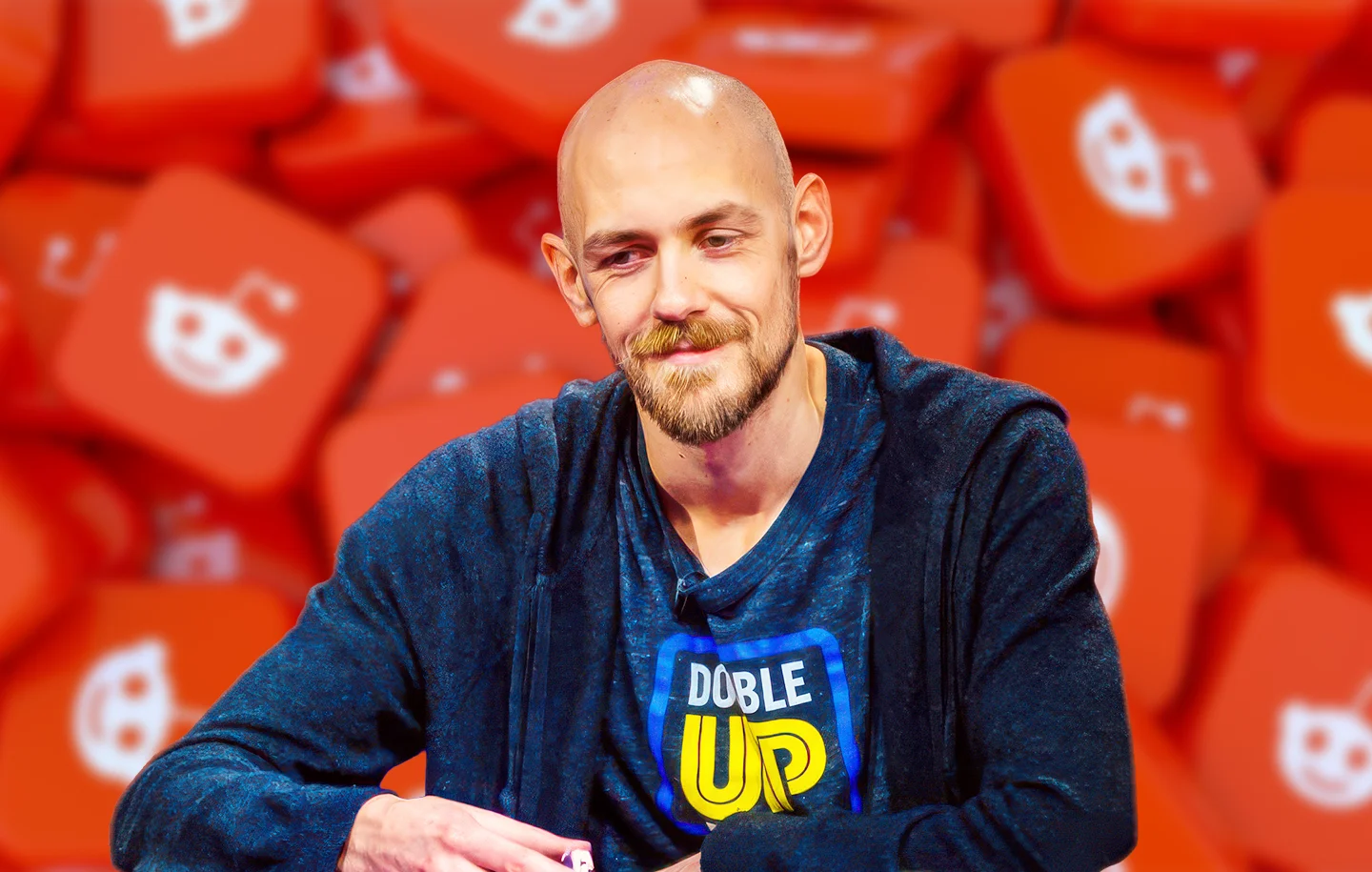
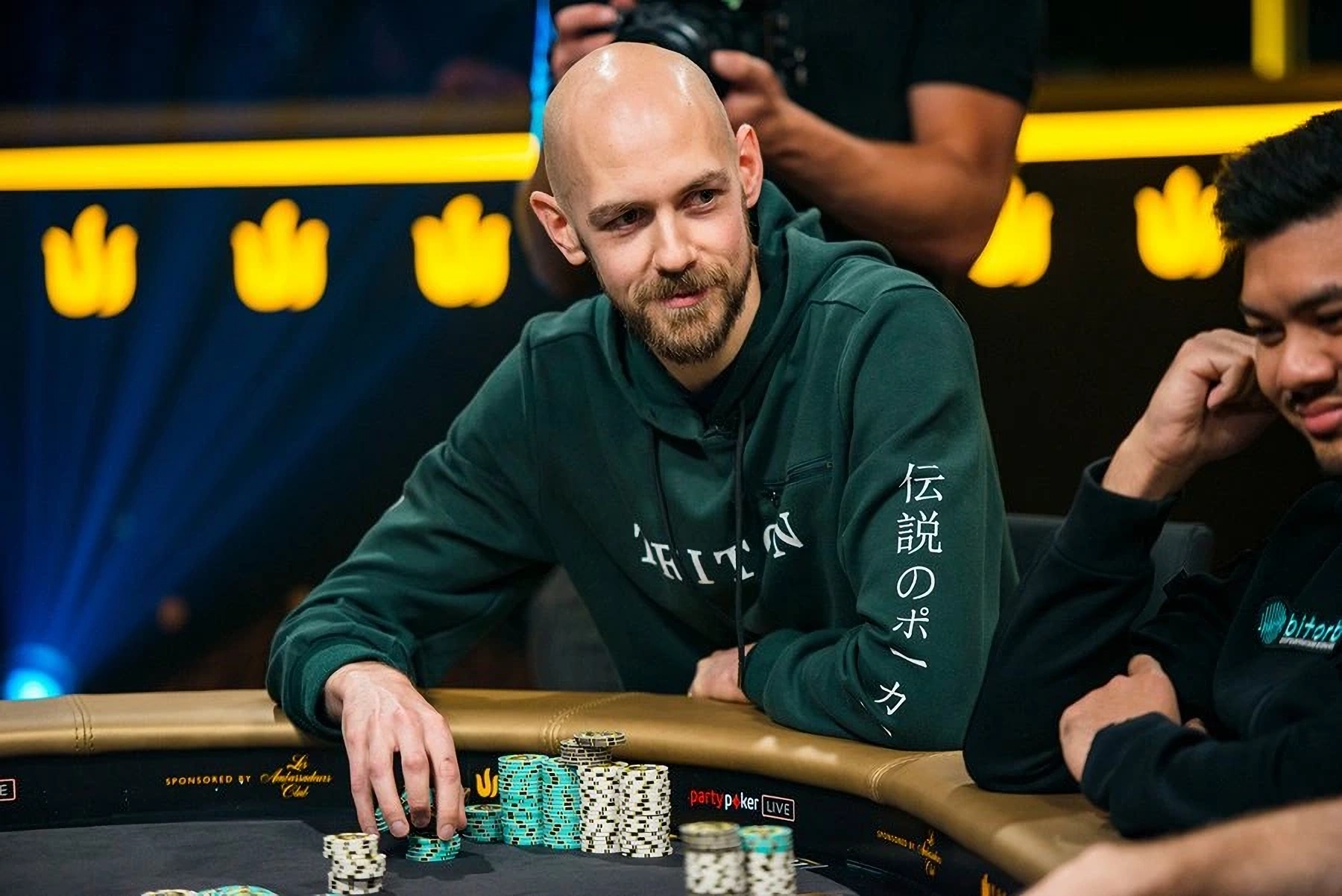
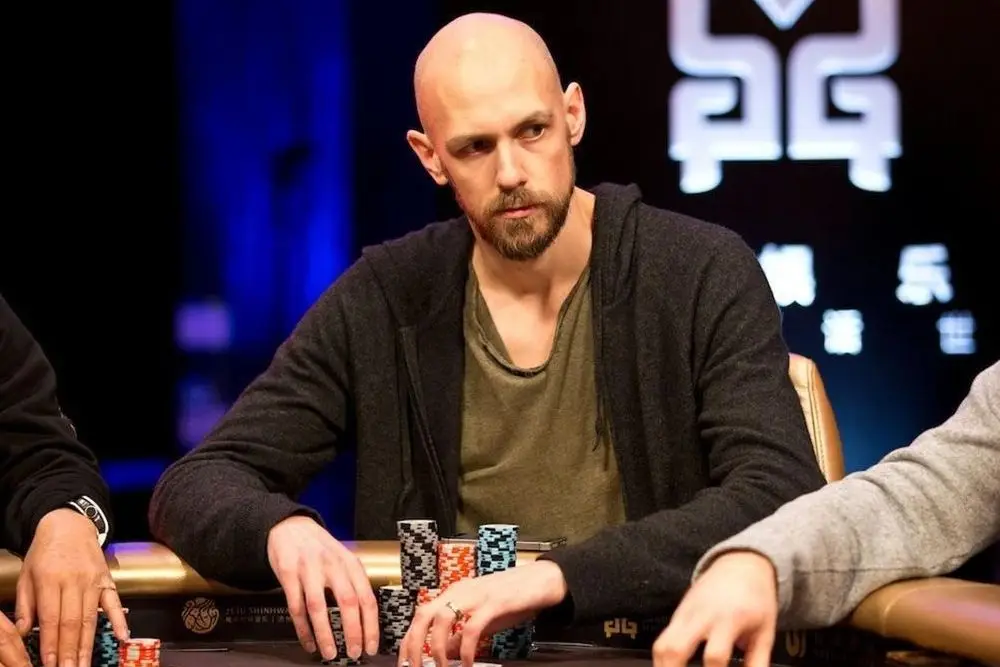
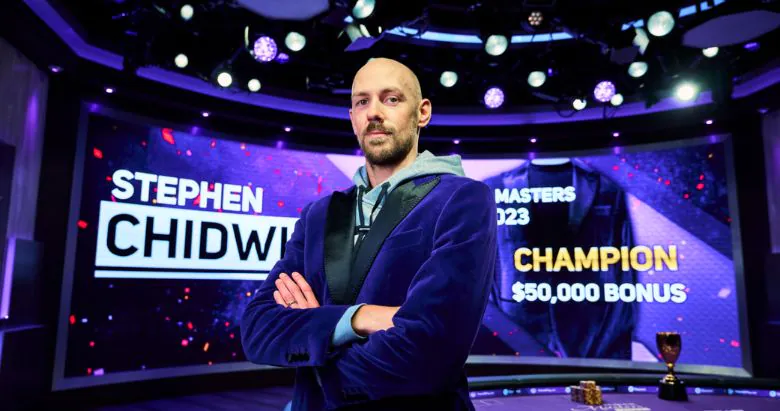
On January 19th, 2026, one of the world’s greatest poker players and living legend Stephen Chidwick, hosted an “Ask Me Anything” on Reddit, attempting to answer as many questions as possible. The thread generated over 420 comments, many of which revealed previously unknown sides of Chidwick to the poker community.
PokerListings read every comment to select the most interesting ones for you. As a warm-up for the more serious stuff, the first section we’ve compiled is a collection of short answers from Stephen about other poker players. The article is long, so be free to jump right to the part that interests you most.
Opinion About Other Poker Pros
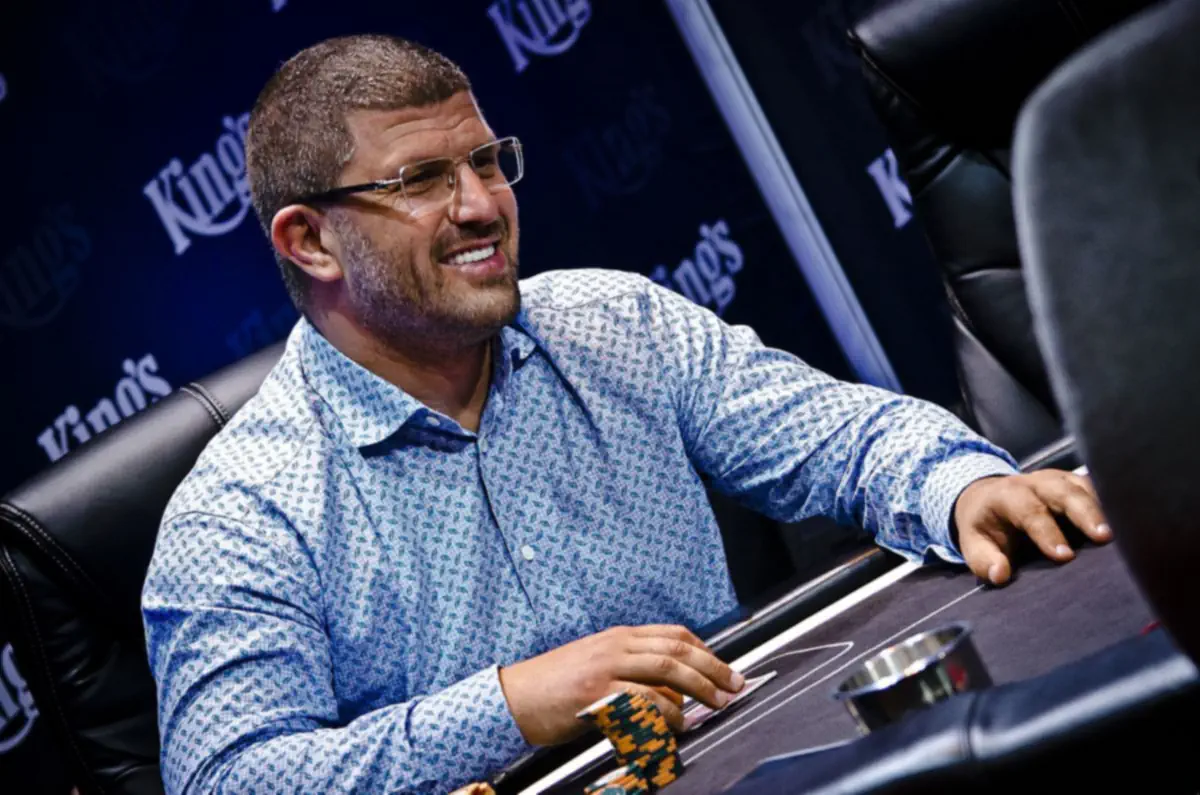
Q: Which player sends a shiver down your spine when you see them at your table?
Stephen: Leon Tsoukernik.
Q: What are some of the most memorable conversations or connections with strangers on the tournament tables?
Stephen: At one of my first live tournaments (a 1k turbo in The Bahamas) I connected with a Canadian poker player called Tim Adams…I wound up bubbling him in a giant flip and then winning the tournament. I bought him dinner afterwards and we’ve been close friends ever since. Crazy to think that was almost 20 years ago.
Q: If you could pick 5 or so players you would NOT want to be at your final table, who would it be?
Jason Koon, Isaac Haxton, Nick Petrangelo, Mikita Badziakouski, Daniel Dvoress
Q: Name 3 top live-read players.
Stephen: Alex Foxen, Dan Smith, Phil Ivey
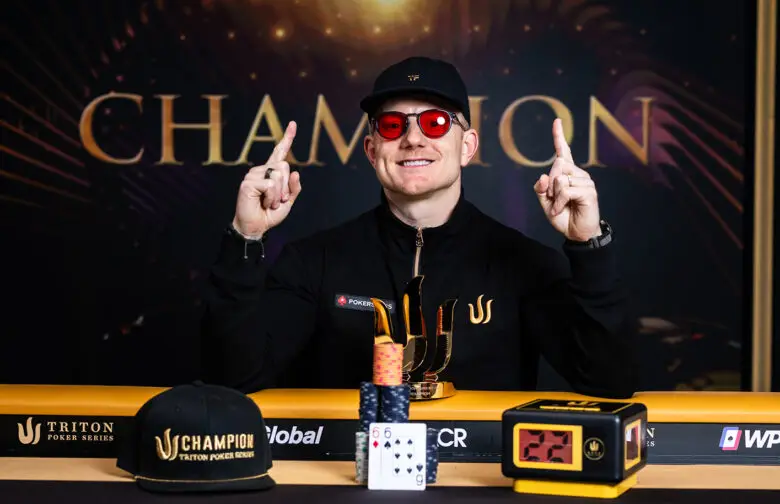
Q: Who is the best poker player in the world right now? And who is the best of all time?
Stephen: Jason Koon.
Q: Which poker pro or (unknown) player has given you the hardest time?
Stephen: Ali Imsirovic.
Q: Who taught you how to play?
Stephen: Jonathan “apestyles” Van Fleet was my biggest early influence.
Thoughts on Poker Ecology, Industry and Future
Q: Do you think financial success at poker and the health of the ecosystem inherently requires weaker players, degenerates, bumhunting and gamblers to be part of it? And if so, can poker ever shed its image of being a casino gambling game and become respected in the same way chess or other games and sports are? And is this actually an image you wish poker had?
Stephen: I think there are many different ecosystems in poker and we already see a huge difference in image of cash games and tournaments for example.
I do think poker can and is increasingly being seen as more of a mind-sport. There’s an organization in India that runs a yearly team-based competition that’s completely free to enter and qualifiers get drafted onto teams and compete in a bunch of different formats and it gets 10s of millions of views. Things like “Game of Gold” also appeal to a wider audience.
From what I understand poker is being used more and more by businesses as an education in critical thinking, game theory, dealing with imperfect information etc.
And yes I would like for this trend to continue. Though I don’t see the degenerate/gambly/bumhunter aspect going anywhere either. But they can be separated to greater and lesser extents imo.

Q: What poker tours do you prefer to play and why?
Stephen: Tritons are a great experience, biggest stakes/prize pools, super well run and I know and enjoy being around almost everyone that plays them. Playing pokergo events at the Aria is also very comfortable and very fun and runs well but doesn’t match up to Triton, same with EPTs.
WSOP is the worst by a lot but they’re soft.
Q: What things in Poker would you say changed the most in the last decade and what you think will probably change the most in the next decade?
Stephen: In the last decade; all kinds of game theory related things, more overbets, more attention paid to combo use/blockers In the next decade; someone will come up with a better alternative to icm that takes the rest of the tournament into account. Maybe more plo?
Q: Do you think within the next few years that AI will have the same impact as the game as GTO has in the last 10?
Stephen: Not sure what you mean by this but I think it would be hard to have a bigger impact on the game than GTO has in the last 10 years. Unless somehow it’s possible to cheat undetectably real time with AI in which case yeah it would have a very big and disastrous impact.
Q: Do you think the advent of modern AI tools poses a threat to the legitimacy of poker (live or online)?
Stephen: Online — yes because game integrity will get harder and harder to enforce. Live — I don’t think so…as (theoretically) there is more and more abundance from AI, more people will have the opportunity of how to spend their time doing things they enjoy. And hanging out with cool people playing poker is a pretty fun way to pass the time.
Q: Do you see live poker ever overtaking online poker in terms of player pools with the rise of solvers and bots and online poker being unable to protect players?
Yes absolutely. I think online poker will only decline as time goes on and live poker seems to be steadily growing.
Tips & Advice for Recs & Regs
Q; What important skill has become undervalued in modern MTTs — and how should serious players train it today?
Stephen: Probably the skill of putting people on ranges and thinking through the hand from first principles/incorporating intuition into your strategy. It’s easy to look up the ‘answers’ in a sim and not go deeper into how people are actually playing/adjust for the myriad factors the sim doesn’t take into account.
I like to challenge myself to put people on specific hands when I’m watching them in pots I’m not involved in and seeing how often I get it right or am completely surprised by what they show down.
Q: What’s your top 2-3 easy to implement things to your tournament approach that we can emulate and find positive results with?
Stephen: Pay attention/be off your phone etc as much as possible, be patient/don’t force things unnecessarily.
Q: What is one technical skill and one mindset concept that can help a low stakes live MTT player progress into mid stakes?
Stephen: Technical skill; when thinking about people’s ranges postflop, always start with their offsuit combos, followed by pairs, followed by suited hands. The offsuit hands are much more frequent than the other classes and often drive the strategy.
Mindset; any time you find yourself thinking about a past event, take a deep breath and bring your awareness back to the present.
Q: What would be your primary big picture advice for someone trying to transition from cash games to tournaments?
Stephen: The obvious things would be to study a lot of short stacked play and a lot of late game stuff. The best resource for this imo is going through big final tables on octopi. You get a lot of exposure to icm sims both pre and post and then also get to see where the top players are deviating from/trying to adjust for the shortcomings of those outputs.
Q: Is studying super specific spots in a solver mandatory for success in today’s poker climate or can you still get by with solid fundamentals and vibes?
Stephen: I wouldn’t say it’s mandatory, there are successful players at the highest stakes who don’t put in much solver time but you need to have good vibes in that case. It depends what you mean by super specific vs solid fundamentals, you definitely need a baseline understanding, although it also matters what you’re playing and what kind of aspirations you have…you can always get by as long as you’re playing better than your opponents.
Q: Through the down swings and tough breaks, what keeps you focused and motivated?
For me the downswings are what motivate me the most. I try to see them as an opportunity for growth. Sometimes a difficult result handled with grace and acceptance can be just as satisfying as a win.
Q: Are there any specific strategies that you employ to reduce tilt?
Stephen: Re: tilt, I’ve written about thought reframing above…aside from the ‘obvious’ things you mentioned like sleep, diet, exercise I’ve had a lot of success employing this technique. Basically looking at the stories I’m telling myself/subconsciously reinforcing and trying to reframe in language that is more accurate and more helpful (often only possible after the fact initially but over time you start to notice the pattern as it emerges and redirect that energy before it builds momentum).
Q: Any simple advice for aspiring poker players?
Stephen: Build a base level of theoretical understanding…at least as a starting point for then adjusting. Revisit your assumptions often and never stop learning or considering different ways to play hands.
Q: How can rec players with regular jobs improve their game without spending 5+ hours per week?
Spend the time you have and try to make that time efficient. Active learning, playing a trainer and finding your own answers to questions for example rather than passively consuming content.
Poker Mindset & Experience
Q: What’s your most memorable hand?
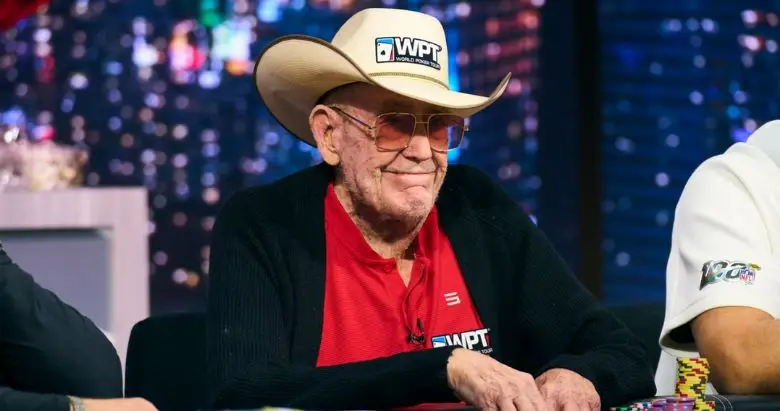
Stephen: At my first WSOP 16 years ago I was playing the 10k nl single draw with Doyle Brunson…I played a pot with him where I 3b out of the BB vs his late position open and stood pat with a jack low (kind of a weak hand). He drew one, I checked and he made a big bet. I check raised all in for not very much more as a bluff and he grumbled to himself for a while before folding. I showed Jack and he says “you’ve got my number kid”. I thought I was hot shit.
Q: What’s your pre-game rituals look like?
Stephen: I try to prioritize sleep. If I can get sunlight and exercise before I play, that’s ideal but not always possible. If I know my table draw (day 2+) I’ll usually go through any notes I have on my opponents and formulate a general plan for how I’m going to approach common situations. I’ll virtually always do some kind of meditation or breathing exercise just prior to playing. Sometimes music, sometimes philosophical or inspirational content depending on what I feel like I need at the moment.
Q: How has solver-based thinking changed your intuition at the table, and where do you still rely on instinct?
Stephen: Solver based study informs intuition. I remember when I used to play a lot of satellite SnGs online and I was really studied and sharp with push/fold ranges I would sometimes get a somatic experience of discomfort when I didn’t know what to do…a large % of those times I did in fact have a combo that was indifferent between shoving and folding or calling and folding. But of course in addition, especially live, intuition is taking many many other things into account.
IMO listening to and incorporating intuition into decision making to the appropriate degree is the art of poker and something that keeps the game endlessly engaging and stimulating.
Q: How do you keep yourself humble when playing against players that are clearly less skilled than you?
Stephen: I have plenty of memories of getting rekt by less skilled players to keep me humble.
Q: What was the single biggest mistake you had to unlearn to reach elite status?
Stephen: I used to have a way too simplistic and over generalized approach to playing against recreational players. Not giving them enough credit, not trying to bluff them. I guess at some point I realized that everyone has their own unique approach and for the most part people are aware of their image and capable of adjusting and exploiting it if they feel the time is right.
Q: How do you deal with feeling incompetent due to mistakes at the table?
Still make plenty of mistakes every time I play. At some point I stopped holding myself to an unrealistic standard of perfection. It was very liberating
Q: How do you deal with all the stress of high stakes tournaments?
Stephen: I’d say the 2 things that have had the biggest impact for me have been exercise and becoming more aware of my inner dialogue/thought patterns and reframing ones that are inaccurate and/or unhelpful. Easy to be habitually making things worse for yourself unnecessarily without even realizing it.
Q: What aspects of intelligence do you think are needed to make a great poker player?
Stephen: Some threshold level of emotional control, strategic thinking, ability to separate the game from the monetary worth of the chips.
Q: Any tips on the mental game?
Stephen: Breathwork and meditation have helped me a bunch. And reframing unhelpful thought patterns which I have described above. Easier said than done but maintaining perspective and awareness that the outcome on any given day doesn’t really matter and isn’t in your control anyway.
Q: Do you believe that being neurodiverse offers an advantage on the poker table and, if so, why/why not?
There are upsides and downsides. Everyone sees the world in their own unique way and it’s up to each person to leverage their strengths and compensate for their weaknesses.
Personal Questions
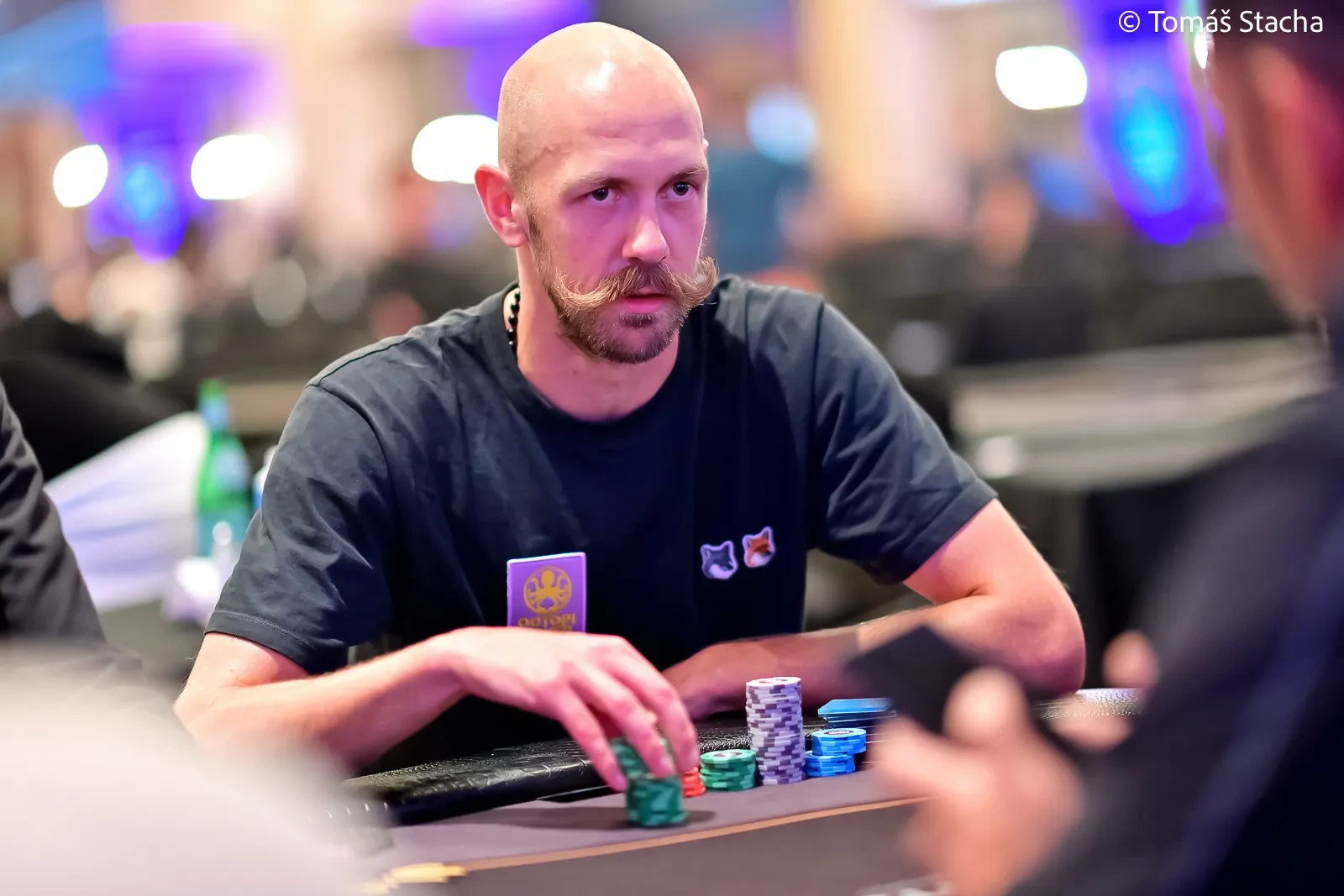
Q: How long does it take to grow the mustache?
It probably took like 4 months to get it to the max length I had it at.
Q: With $76M in winnings, how much is profit?
I don’t have exact numbers from the earlier part of my career but somewhere in the $5-$10M range.
Q: What’s a couple of your favorite albums ever?
Stephen: The Ocean by Deca and All the beauty in this whole life by Brother Ali.
Q: I saw a video once where you were rock climbing. Climb outside when you’re in Vegas much? Favorite crags?
Stephen: Yeah I try to. Mostly go to Kraft/Red Springs.
Q: Do you see any overlap between how you approach rock climbing problems and how you approach tough MTT spots?
Stephen: I do enjoy the problem solving aspect of rock climbing but I’m not sure how much overlap there is with poker. Maybe being more willing to try what feels right to you or trying different approaches to the same problem.
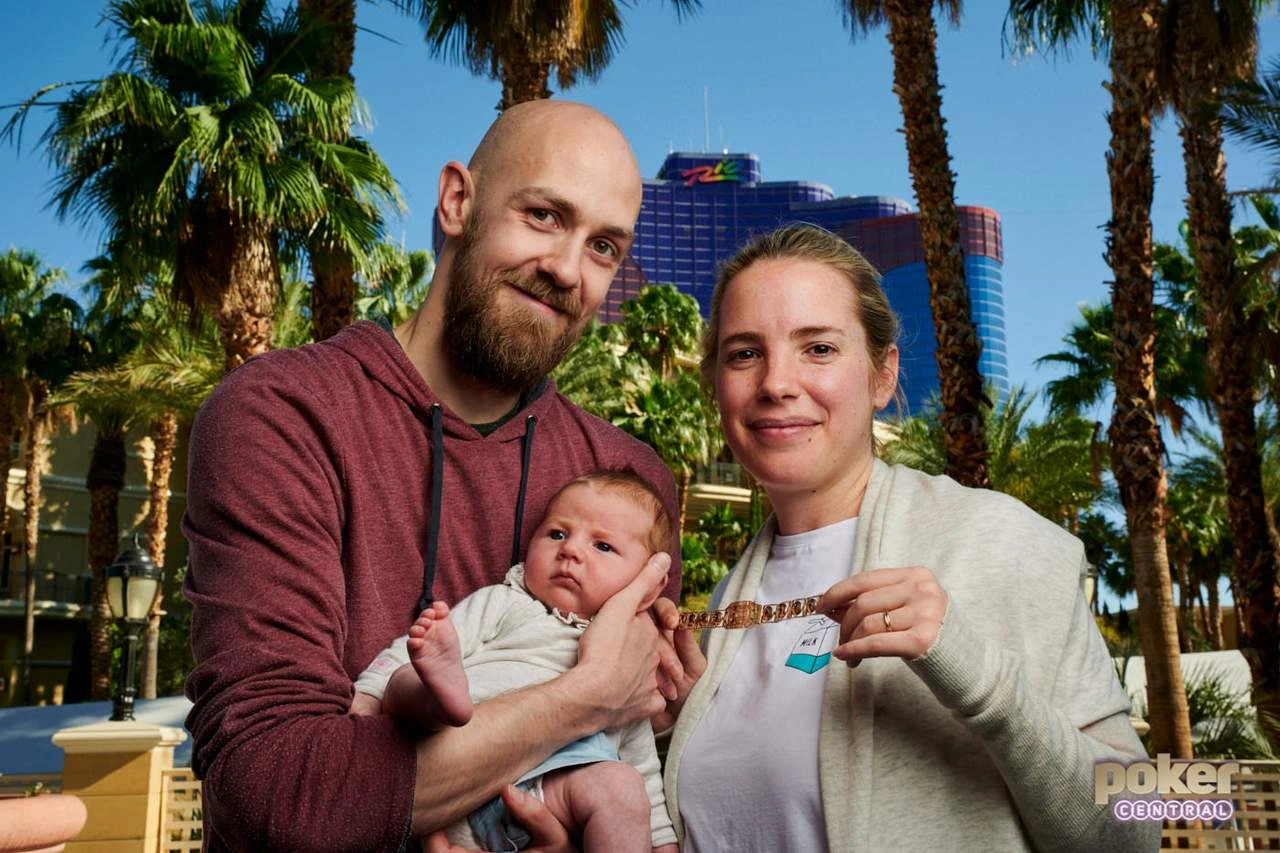
Q: I’m going to start climbing next month as a 40 year old man. What preparations should I make that I’m not thinking of now?
Stephen: Nice! Maybe watch some beginner technique videos…simple things like keeping your arms straight and using body positioning/leverage to your advantage goes a long way. Most beginners rely too heavily on strength, especially upper body strength, and wind up gassing out quickly. Have fun!
Q: If you could speak to your younger self, in the early stages of your poker career, what things would you tell him to focus on and avoid?
I’d tell him to focus on health, both mental and physical and I’d tell him to avoid staking people
Q: What goals do you have for 2026?
- Let go of false beliefs/limiting opinions of self and others wherever I find them
- Embody my highest values in everything I do
- Inspire others to make positive changes in their lives
- Learn continuously and cultivate ‘beginners mind’
- Deepen my understanding of, connection with, and service of, the divine
*not so much goals for the year as goals in general obviously

Popular News

Lose $1-3 Million a Year But Keep Your Dignity: Garrett Adelstein’s AMA on Reddit
Through Rain, Low Battery, and Glitches to New Best Cash: Story of Aliaksandr Shylko
GGPoker Becomes Alberta’s First Approved Online Poker Operator
PokerStars MicroMillions Returns for 2026 With $2M+ Guaranteed
Latest News
Jamie Dwan Meets Karma at the WSOP Online Final Table
Juan “Malaka$tyle” Pardo Wins GGMillion$ Final Table Packed With Top Pros ($410K)
Qualify to Triton ONE via RedStar Poker Satellites





Log in to join the discussion
Share your thoughts and see what others have to say.