Fallacy of Composition in Poker


 PokerListings
-
 CoinPoker 150% up to $2000
+18 | T & C apply | Play responsible
-
 Stake.US Poker $55 Stake Cash + 260,000 GC
18+ | Play Responsibly | T&C Apply
-
 Americas Cardroom 100% up to $2000
18+ | Play Responsibly | T&C Apply
-
 Betonline Poker 100% up to $1000
18+ | Play Responsibly | T&C Apply
-
 SportsBetting Poker 100% up to $1000

We love to talk about poker bias, especially if it’s the gambler’s fallacy or the sunk cost fallacy. In that process, we often seem to neglect maybe the most interesting and least discussed among them: the fallacy of composition.
Why it’s so fascinating, how it manifests in poker, and why we can’t afford to get rid of it completely, read in this article.
What Is the Fallacy of Composition
Imagine, you meet a person from your local charity organization. This person looks tired while condescendingly talking about impoverished people. If after talking to them you never want to donate money to their charity because all the people from this organization are tired and condescending — this is the fallacy of composition.
This logical fallacy is part of the hasty generalization that underlies people’s tendency to extrapolate partial information about the object of their attention, equating a particular characteristic of that object with the whole.
How the Fallacy of Composition Works in Poker
Poker players commonly run into this type of logical fallacy. They make (incorrect) generalizations as a result of playing with incomplete information and in a rush to speed up decision making in spots with volatile inputs and unknown opponents.
These types of generalizations are even encouraged by solvers, which give you average solutions based on a mathematical understanding of how people would play against each other in an ideal game. And while we all seemingly understand that no one plays perfectly all the time, the temptation to use a simplified mathematical generalization inevitably pushes even the best players into some false generalizations.
Let’s say you start playing $3 Mystery Battle Royale on GGPoker during the long holiday when a huge number of recreational players flood the tournaments. By assessing their performance, you’ll inevitably draw conclusions about how the field typically plays in these particular games. But after the holidays, the vast majority of these recs will leave tournaments and your general conclusions about their play will continue to influence your decisions.
The fallacy of composition in this case occurs when you decide to continue evaluating the field solely based on recreational players, many of whom don’t even come to play regularly. In this case, the generalization isn’t all bad for regs because the false generalizations of amateurs actually bring in money to pros.
Why the Fallacy of Composition Is Actually Good For Poker
Recreational players, the main drivers of money flow in poker, are prone to false generalizations for several reasons.
One of them is idealizing the image of professional players.
For example, they see Jason Koon playing on broadcast series and assume “that’s how all true pros play”. And we can find similar “Koons” at every stake, ABI, and even game format. They give amateurs a false impression of the regulars’ tendencies and affect their decision-making ability, especially in spots against well-known opponents.
Another reason is the method of obtaining and interpreting data.
Since amateur players rarely collect statistics on their opponents, preferring to rely on their own observations and generalizations, they make mistakes and demonstrate the fallacy of composition much more often, misinterpreting patterns and attributing them to all opponents just because they saw them in a “typical” player.
Knowing these peculiarities allows professionals to profit more from amateurs’ mistakes with less effort.
PokerListings Popular Articles

Online Slots with Bonus Rounds: Complete Guide to the Best Games

Denys Chufarin: GGPoker’s Most Famous Short Deck Expert
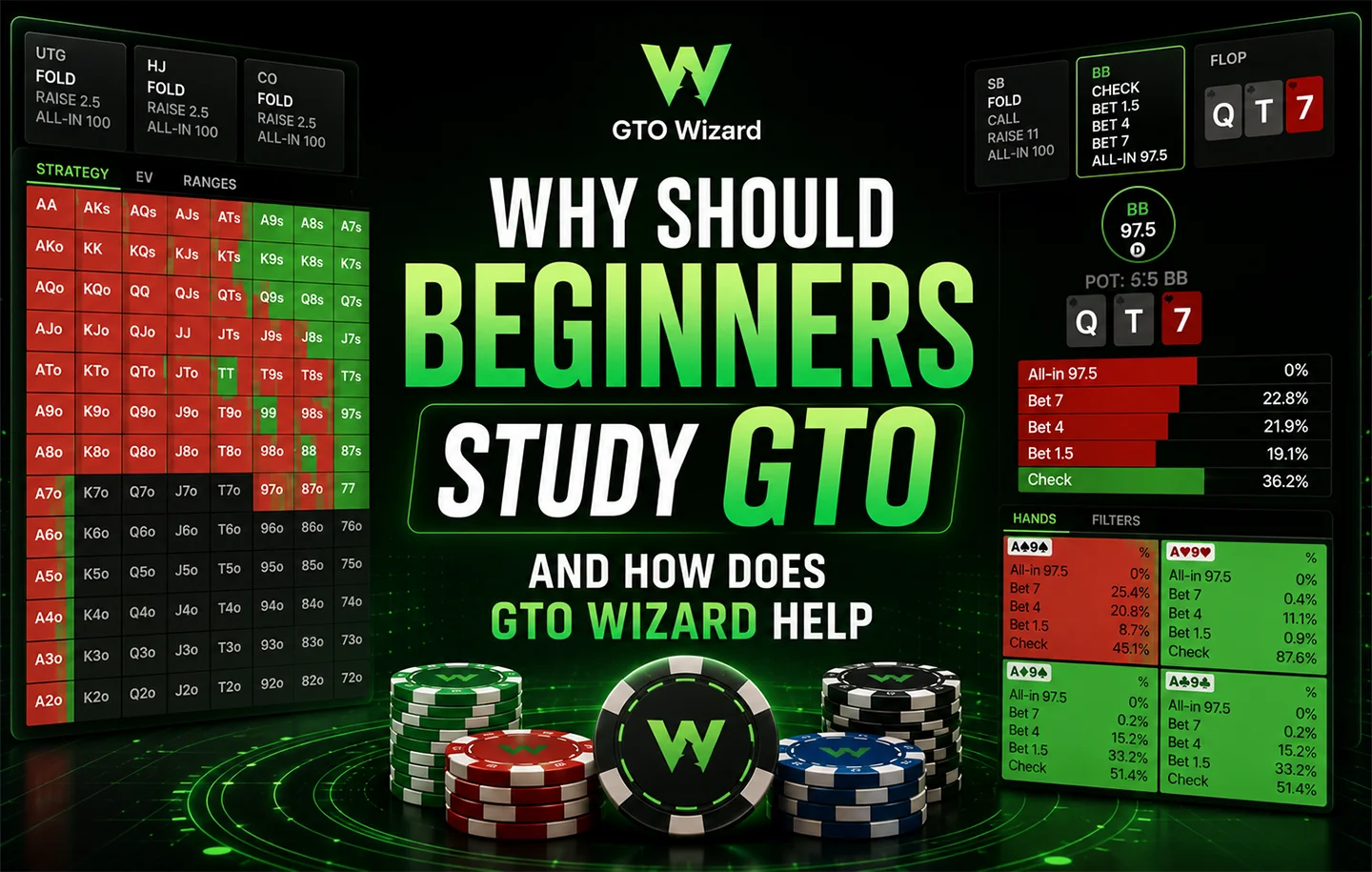
Why Should Beginners Study GTO and How Does GTO Wizard Help?