
 EN
EN  DE
DE American vs. European Roulette: Critical Differences Every Player Should Know


 PokerListings
-
18+ | Play Responsibly | T&C Apply
-
 ChipnWIN Social Casino 15,000 GC + up to 100 SC
18+ | Play Responsibly | T&C Apply
-
 A1 Social Casino 1,000,000 GC
18+ | Play Responsibly | T&C Apply
-
 CrashDuel Casino 100% up to 200,000 GC + 50 SC
18+ | Play Responsibly | T&C Apply
-
 UpUp Casino 1,000,000 GC + 5 SC
21+ | Play Responsibly | T&C Apply


When you step up to a roulette table, a crucial decision awaits you before placing your first bet: which version of the game should you play? The choice between American and European roulette isn’t merely aesthetic—it significantly impacts your winning chances and expected returns. Many players make this decision without understanding the mathematical implications. This guide breaks down the essential differences between these popular online roulette variants, equipping you with the knowledge to make strategic choices that could dramatically improve your experience.
History and Origins of American and European Roulette
European roulette originated in 18th century France, where physicist Blaise Pascal accidentally created the roulette wheel during his attempts to build a perpetual motion machine. The single-zero design became standardized across European casinos, particularly in Monte Carlo, where the Blanc brothers established it as a prestigious game of chance for the aristocracy.
When roulette crossed the Atlantic to America in the early 19th century, casino operators modified the wheel by adding a double zero (00) pocket. This seemingly small addition wasn’t accidental—it was deliberately implemented to increase the house advantage. American gambling establishments, particularly in New Orleans and later Las Vegas, embraced this higher-edge version, which has remained the standard in most American casinos to this day.
The Fundamental Difference: Single Zero vs. Double Zero
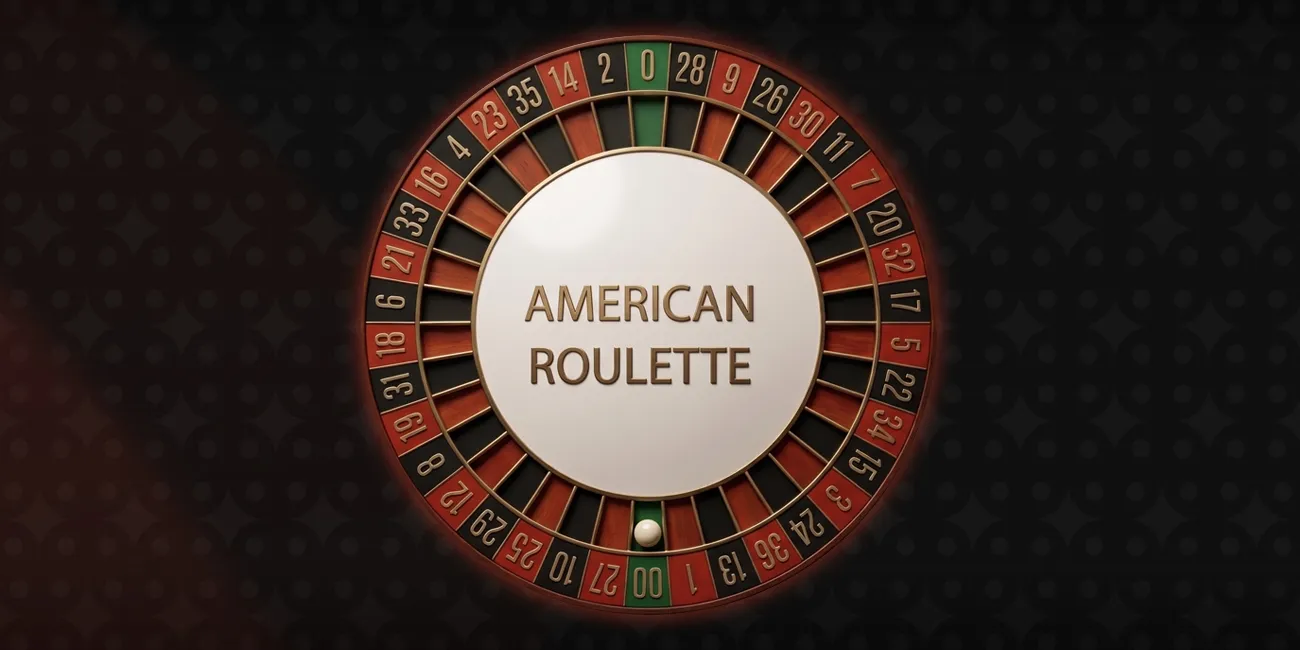
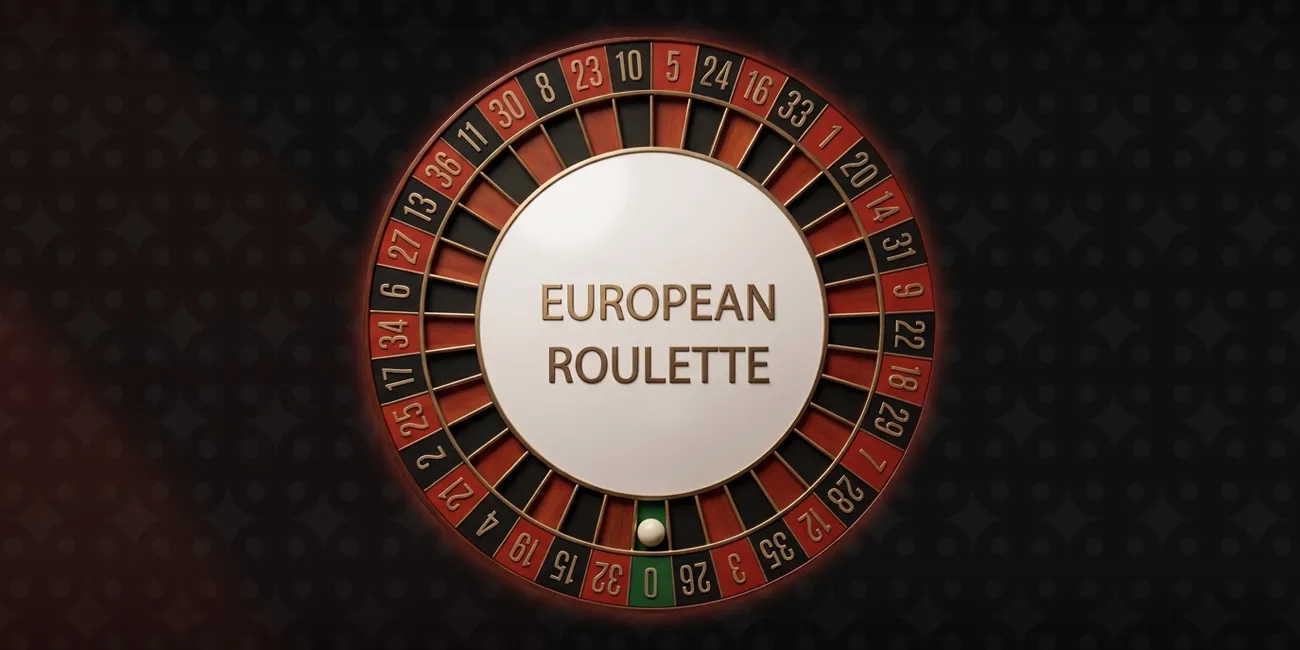
The most critical distinction between American and European roulette is immediately visible on the wheel itself: European roulette features 37 pockets (numbers 1-36 plus a single zero), while American roulette contains 38 pockets (numbers 1-36 plus both a single zero and a double zero). This one additional pocket fundamentally alters the mathematics and odds of the entire game.
Players who want to better understand how the layout works in practice can try a Roulette Wheel Online Free to explore both versions without risk.
Number Sequence and Wheel Layout
Beyond the additional zero pocket, the actual arrangement of numbers differs significantly between American and European wheels. European roulette follows what’s known as the “single zero sequence,” with numbers arranged to achieve specific mathematical balance. American wheels use an entirely different “double zero sequence” that redistributes numbers in a distinct pattern.
Detailed Wheel Number Sequences and Arrangements
The number arrangement on roulette wheels follows specific mathematical principles that influence betting patterns and balance across the wheel. European and American roulette use completely different sequences, which affects how neighboring numbers are distributed and how sector bets behave.
| Feature | European Roulette | American Roulette |
|---|---|---|
| Wheel Structure | Single zero (0) | Single zero (0) + double zero (00) |
| Mathematical Pattern | Opposite numbers often sum to 37 | No fixed sum pattern |
| Number Distribution | Balanced mix of high/low, odd/even, red/black | Alternating odd/even pattern with different spacing |
| Sequence | 0, 32, 15, 19, 4, 21, 2, 25, 17, 34, 6, 27, 13, 36, 11, 30, 8, 23, 10, 5, 24, 16, 33, 1, 20, 14, 31, 9, 22, 18, 29, 7, 28, 12, 35, 3, 26 | 0, 28, 9, 26, 30, 11, 7, 20, 32, 17, 5, 22, 34, 15, 3, 24, 36, 13, 1, 00, 27, 10, 25, 29, 12, 8, 19, 31, 18, 6, 21, 33, 16, 4, 23, 35, 14, 2 |
| Betting Impact | More balanced sectors for wheel-based bets | Different neighbor groupings and sector behavior |
This difference in sequences directly impacts how players approach sector betting on the wheel, rather than relying solely on the standard table layout.
House Edge Comparison: The Math Behind the Games
The house edge in roulette comes from the zero pockets, which create an imbalance between the true odds and the payout odds. In European roulette with its single zero, the house edge is 1/37 or approximately 2.70%. For American roulette with both a single zero and double zero, the house edge jumps to 2/38 or approximately 5.26%—nearly double the European version.
To put this in concrete terms: if you bet $100 on a single number in European roulette, your expected loss is $2.70. Make the same bet on an American wheel, and your expected loss jumps to $5.26.
Impact on Long-Term Play
Over extended play, the house edge difference becomes remarkably pronounced. A player wagering $100 per spin over 1,000 spins would expect to lose approximately $2,700 playing European roulette but about $5,260 on American roulette—a $2,560 difference. Even short-term sessions show this effect: betting $50 on even-money bets for 100 spins yields expected losses of $135 (European) versus $263 (American). While individual sessions may vary due to variance, these mathematical expectations will manifest over sufficient spins.
Additional Rules in European Roulette
European roulette sometimes includes additional rules that further benefit the player by reducing the house edge on certain bets. These player-friendly options, most common in French and some premium European casinos, can make European roulette even more advantageous compared to its American counterpart.
La Partage and En Prison Rules
The La Partage rule applies to even-money bets (red/black, odd/even, 1-18/19-36) when the ball lands on zero. Instead of losing the entire bet, players receive half their wager back. This simple rule cuts the house edge on even-money bets from 2.70% to just 1.35%, making these some of the best bets available in any casino game.
The En Prison rule offers an alternative approach: when zero appears on an even-money bet, instead of immediate loss, the bet becomes “imprisoned” or held for the next spin. If the following spin wins, the player recovers their original bet (without winning anything); if it loses, the bet is collected. Like La Partage, this rule reduces the house edge on even-money bets to approximately 1.35%. Neither rule exists in standard American roulette, creating another significant advantage for the European variant.
Visual Differences in Table Layout
American and European roulette tables feature noticeable layout differences beyond just accommodating the extra 00 pocket. American tables typically position the zero and double zero at the top of the number grid, with the betting area for these numbers extending to create a five-number bet section. European tables feature a single zero at the top, with a slightly different arrangement of the outside betting areas.
European tables often appear more spacious and elegant, with wider betting areas that accommodate specialized “announced bets” sections. This design difference affects player psychology—American tables feel more crowded with betting options but may encourage more speculative wagers, while European layouts tend to promote more strategic placement of chips across the table. Players accustomed to one format may need time to adjust to the other’s spatial arrangement.
Strategic Considerations for Players
When approaching either roulette variant, players should adjust their strategy to account for the fundamental differences in odds. For both versions, focus on managing your bankroll effectively and setting clear win/loss limits. The mathematical reality means no betting pattern can overcome the built-in house edge, but you can maximize your entertainment value through smart play.
When switching from European to American roulette, consider reducing your bet sizes by approximately 50% to compensate for the nearly doubled house edge. A $20 bet on European roulette carries roughly the same risk as a $10 bet on American roulette. Similarly, adjust your expected playing time—an hour on an American wheel will, on average, deplete your bankroll nearly twice as quickly as the same time on a European wheel.
For recreational players focused on entertainment, either variant provides excitement, but recognize that American roulette will likely cost more over time. Serious players seeking the best mathematical proposition should exclusively seek European tables, preferably those offering La Partage or En Prison rules for even better odds.
Betting Systems and Their Effectiveness
Popular betting systems like the Martingale (doubling after each loss), Fibonacci (following the Fibonacci sequence for bet sizing), and D’Alembert (adding or subtracting one unit based on results) are frequently used in both roulette variants. However, these systems perform substantially worse with American roulette’s higher house edge, reaching failure points more quickly and dramatically.
For example, a Martingale progression starting with $5 will hit a typical $500 table limit after just 7 consecutive losses. With American roulette’s higher house edge, the likelihood of such a losing streak increases significantly. The expected survival time of betting systems drops by nearly half when moving from European to American tables.
The Five Number Bet in American Roulette
American roulette offers a unique “five number bet” (also called the “top line” bet) covering 0, 00, 1, 2, and 3, which pays 6:1 odds. This bet carries the highest house edge of any roulette wager—7.89%—significantly worse than the standard 5.26% on all other American roulette bets. Despite covering five numbers, this bet offers extremely poor value mathematically.
Casinos often highlight this bet through table layout design, making it visually prominent despite its unfavorable odds. Knowledgeable players recognize this as the worst bet on the table and avoid it entirely. Even in American roulette, players are better off making straight number bets or outside bets than this particularly disadvantageous wager.
Call Bets / Announced Bets in European Roulette
European roulette tables, especially in high-end casinos, offer specialized “call bets” or “announced bets” that cover specific sections of the wheel rather than table positions. These include Voisins du Zero (“neighbors of zero,” covering 17 numbers near zero), Tiers du Cylindre (“third of the wheel,” covering 12 numbers opposite zero), and Orphelins (“orphans,” covering the 8 numbers not included in the other sections).
These bets allow experienced players to cover wheel sectors strategically based on the physical layout of numbers rather than their mathematical grouping on the betting table. While not improving the house edge, they provide more sophisticated betting options and are popular among advanced players for creating more varied coverage patterns. American roulette typically doesn’t offer these options, limiting strategic diversity.
Regional Preferences and Availability
American roulette dominates casino floors throughout the United States, particularly in Las Vegas, where finding European tables requires searching premium casinos and high-limit rooms. Conversely, European and Asian casinos primarily offer European roulette, with Monte Carlo and Macau featuring almost exclusively single-zero tables. The regional preference largely reflects historical development rather than player demand.
In recent years, growing player awareness about house edge differences has led many American casinos to introduce limited European roulette offerings, particularly in high-limit areas or premium casino sections. Atlantic City casinos have been more progressive in offering European wheels, while Las Vegas establishments often charge higher minimum bets for access to the more favorable European variant.
Where to Play Each Roulette Variant Online and Offline
Online casinos universally offer both American and European roulette variants, often with identical minimum bets, making European the obvious choice for informed players. Most major platforms also provide live dealer versions of both variants, with European tables frequently featuring La Partage or En Prison rules for even better odds. Mobile apps typically mirror these offerings, making European roulette accessible on any device.
Our content may include affiliate links, and we may earn a commission from registrations and deposits made through them. However, it's important to note that PokerListings only endorses licensed casinos that follow the necessary regulations. We do not promote any site that has not passed our thorough evaluation and testing process.
18+ | Play Responsibly | T&C Apply
18+ | Play Responsibly | T&C Apply
18+ | Play Responsibly | T&C Apply
In physical casinos, finding European roulette requires more effort in American markets. Las Vegas visitors should check high-end properties like Bellagio, Wynn, and Venetian, where European tables exist but usually with higher minimums ($25-50 versus $10-15 for American tables). Ask floor supervisors specifically for “single-zero roulette” rather than “European roulette” for clearer communication. European and Asian casinos typically offer European roulette exclusively, often with La Partage rules as standard.
Common Misconceptions About Roulette Variants
Both roulette variants suffer from widespread misconceptions that affect player decisions. Many believe they can identify “patterns” in recent spins or that certain numbers are “due” to hit based on historical results. Others think betting systems can overcome the house edge if applied correctly or that American roulette offers compensating advantages for its higher house edge.
These misconceptions lead to poor decision-making, with players making mathematically inferior choices based on superstition rather than probability. Understanding the true nature of roulette as a game of independent events with fixed probabilities allows players to make rational decisions about which variant to play and how to approach their betting strategy, ultimately preserving more of their bankroll over time.
“Hot” and “Cold” Numbers Myth
Many players track “hot” numbers (those appearing frequently) or “cold” numbers (those overdue to hit) on the result boards displayed at roulette tables. This practice stems from a fundamental misunderstanding of probability. Each roulette spin is an independent event—the ball has no memory of previous results. A number that hasn’t appeared in 100 spins still has exactly the same probability (1/37 in European, 1/38 in American) of hitting on the next spin as any other number.
Betting Systems Misconceptions
No betting system—whether it’s the Martingale, D’Alembert, Fibonacci, or any other progression—can overcome the built-in house edge of either roulette variant. These systems merely reorganize how you win and lose in the short term without changing the mathematical expectation. The Martingale system, for instance, fails due to table limits and finite bankrolls when inevitable losing streaks occur.
The higher house edge in American roulette makes betting systems fail faster and more dramatically. A system that might sustain 100 spins on a European wheel might collapse after just 50 on an American wheel. Progressive betting can’t overcome the fundamental mathematics—for every betting pattern, the expected loss equals the house edge multiplied by the total amount wagered, regardless of how those wagers are distributed.
Recommendations and Conclusion
After examining all aspects of American and European roulette, the conclusion is clear: European roulette offers substantially better value for players. With a house edge of 2.70% versus American roulette’s 5.26%, the European variant nearly doubles your odds of winning over time. If European tables with La Partage or En Prison rules are available, the advantage improves even further to 1.35% on even-money bets—some of the best odds in the casino.
Players should prioritize finding European roulette tables whenever possible, particularly online where both variants are typically available at identical minimum bets. When only American roulette is available, adjust by reducing your bet sizes and time at the table accordingly. For purely recreational players, either variant can provide entertainment, but understanding the mathematical differences helps you make informed choices about how much that entertainment will cost. Remember that no strategy can overcome the built-in house edge, but choosing the right variant is the single most important decision you can make at the roulette table.
Frequently Asked Questions
What is the main difference between American and European roulette?
The main difference is that American roulette has two zero pockets (0 and 00) while European roulette has just one zero pocket. This seemingly small difference significantly impacts the odds, nearly doubling the house edge in American roulette compared to European roulette.
How does the house edge differ between American and European roulette?
European roulette has a house edge of 2.70% (1/37), while American roulette has a nearly doubled house edge of 5.26% (2/38). This difference means that for every $100 wagered, you can expect to lose $2.70 on European wheels versus $5.26 on American wheels over time.
Which roulette variant offers better odds for players?
European roulette offers substantially better odds for players with its 2.70% house edge compared to American roulette’s 5.26%. European roulette with La Partage or En Prison rules offers even better odds—reducing the house edge to just 1.35% on even-money bets like red/black and odd/even.
How does the extra double zero in American roulette affect the odds?
The extra double zero increases the total number of pockets from 37 to 38 while keeping payouts identical, nearly doubling the house advantage from 2.70% to 5.26%. This means American roulette players lose money almost twice as quickly as European roulette players with the same betting pattern.
What is the “En Prison” rule in European roulette?
The En Prison rule applies to even-money bets when the ball lands on zero. Instead of losing immediately, your bet becomes “imprisoned” for the next spin. If your bet wins on the next spin, you recover your original stake (without winning anything); if it loses, you lose the bet. This rule halves the house edge on even-money bets to 1.35%.
What is the “La Partage” rule in European roulette?
La Partage is a player-friendly rule applied to even-money bets (red/black, odd/even, 1-18/19-36) when the ball lands on zero. Instead of losing your entire bet, you automatically get half your wager returned. This rule reduces the house edge on even-money bets from 2.70% to 1.35%.
What is the five-number bet in American roulette?
The five-number bet (also called the “top line bet”) covers 0, 00, 1, 2, and 3, paying 6:1 if any of these numbers hit. It carries a house edge of 7.89%—significantly worse than the standard 5.26% for all other American roulette bets—making it mathematically the worst bet available at the roulette table.
Can betting systems overcome the house edge in either roulette variant?
No betting system can overcome the built-in house edge in either roulette variant. Systems like Martingale, Fibonacci, and D’Alembert may reorganize how you win and lose in the short term, but over time, the expected loss always equals the house edge multiplied by the total amount wagered.
PokerListings 
Log in to join the discussion
Share your thoughts and see what others have to say.