
 EN
EN  DE
DE What Ever Happened to 6+ Short Deck?

 PokerListings
-
 CoinPoker 150% up to $2000
18+ | Play Responsibly | T&C Apply
-
 Americas Cardroom 100% up to $2000
18+ | Play Responsibly | T&C Apply
-
 Ignition Poker 150% up to $1,500
18+ | Play Responsibly | T&C Apply
-
 Black Chip Poker 100% Welcome Bonus
18+ | Play Responsibly | T&C Apply
-
 Stake.US Poker $55 Stake Cash + 260,000 GC
18+ | Play Responsibly | T&C Apply

Short Deck poker was set to become a popular variant of two-card poker when it was introduced to card rooms, both live and online, in the mid-2010s. Originating in Asia, the game quickly garnered the attention of high-stakes regulars looking for explosive action and big swings. Here is a look at how the game developed from the private setting of high-stakes cash games to being included on the schedules at major tournament meetings around the world, and then retreated into relative obscurity.
In The Beginning…
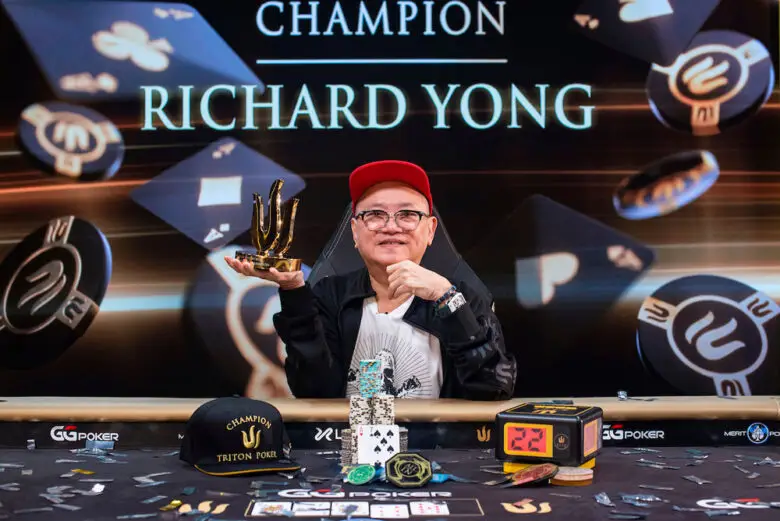
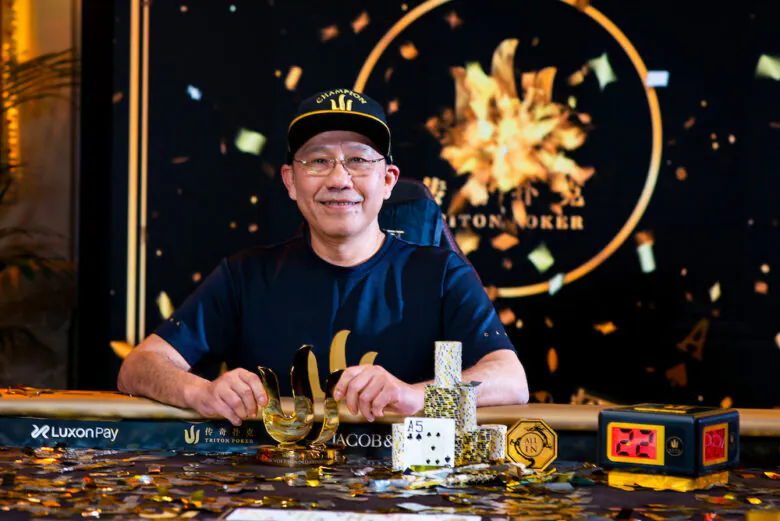
The game was created in Asia’s gambling hub, Macau, the setting for some of the world’s largest cash games. Macau’s VIP rooms, renowned for their ultra-high-stakes action and cosmopolitan mix of Asian billionaires and Western poker pros, provided the perfect environment for experimentation. Malaysian businessman and poker enthusiast Richard Yong, along with Paul Phua, are credited with formalising the rules of Short Deck Poker to increase action in high-stakes games and level the playing field between seasoned professionals and wealthy amateurs. Yong and Phua have featured in the short-deck format at Triton Poker’s premier high-stakes poker series since its inception in 2015.
The game is simple in nature, but nuanced and incredibly volatile. The standard 52-card deck we all know and love was reduced to 36 cards, with the 20 removed being the deuces through fives. This makes the frequency of premium holdings higher, as the majority of the smaller cards are absent from the deck. This led to larger pots, more frequent showdowns, and a higher-variance environment that both challenged and excited participants. The ante-based betting structure, often with a double ante on the button, further distinguished Short Deck from traditional Texas Hold’em and contributed to its unique rhythm and dynamics. With each player committing an ante preflop, players became more inclined to call or limp into the pot, as they were often getting the right price to call based on pot odds and their perceived equity in multiway spots.
Hand rankings also changed, with flushes becoming stronger than full houses as they were harder to make with the decreased number of cards per suit. Despite the lack of low cards, the “wheel” straight remained, with A-6-7-8-9 being the lowest straight any player could make. In the early days, three-of-a-kind was ranked above a straight.
Early Ambassadors
Notable high-stakes crushers fell in love with the game. Players like Phil Ivey and Tom “durrrr” Dwan played pivotal roles in popularising this format, and were early adopters in Macau’s high-stakes scene. They participated in promotional videos, televised events, and strategy discussions. Their endorsement lent credibility and allure to Short Deck, attracting other top professionals and sparking widespread interest. Triton gave players like Dwan and Ivey the chance to showcase their skills and generate more interest in the game by broadcasting high-stakes cash games across a range of locations across the globe, such as Jeju in South Korea, Cyprus, and the UK, which played host to a private £100,000 tournament at the luxurious Les Ambassadeurs.
The game picked up traction and popularity, and players wanted to emulate their heroes by battling for big pots and embracing the swings on the online felt. GGPoker became the place to play short deck online. As part of the Natural8 network, the site saw a lot of traffic from Asian players in particular, who wanted to try out the game. iPoker, PokerStars, and PartyPoker also featured this variant, but GGPoker had the edge on the field due to its hold on the Asian market, its leaderboard features, and the wide range of stakes on offer.
Short Deck At Its Peak

The peak years for short deck were between 2018 and 2021, spearheaded by Triton Poker’s cash games and tournament series. Live streams, YouTube tutorials, and Twitch broadcasts played a crucial role in educating players and building a global community. Short Decks’ legitimacy was cemented when the World Series of Poker (WSOP) added a $10,000 Short Deck event to its schedule in 2019, followed by a €25,500 High Roller at WSOP Europe. The European Poker Tour (EPT) and other major tours also experimented with Short Deck events, though often as side tournaments rather than main attractions. However, the high buy-ins and high variance nature of the game meant that it was inaccessible to those on smaller bankrolls.
The Best Short Deck Tournament Players
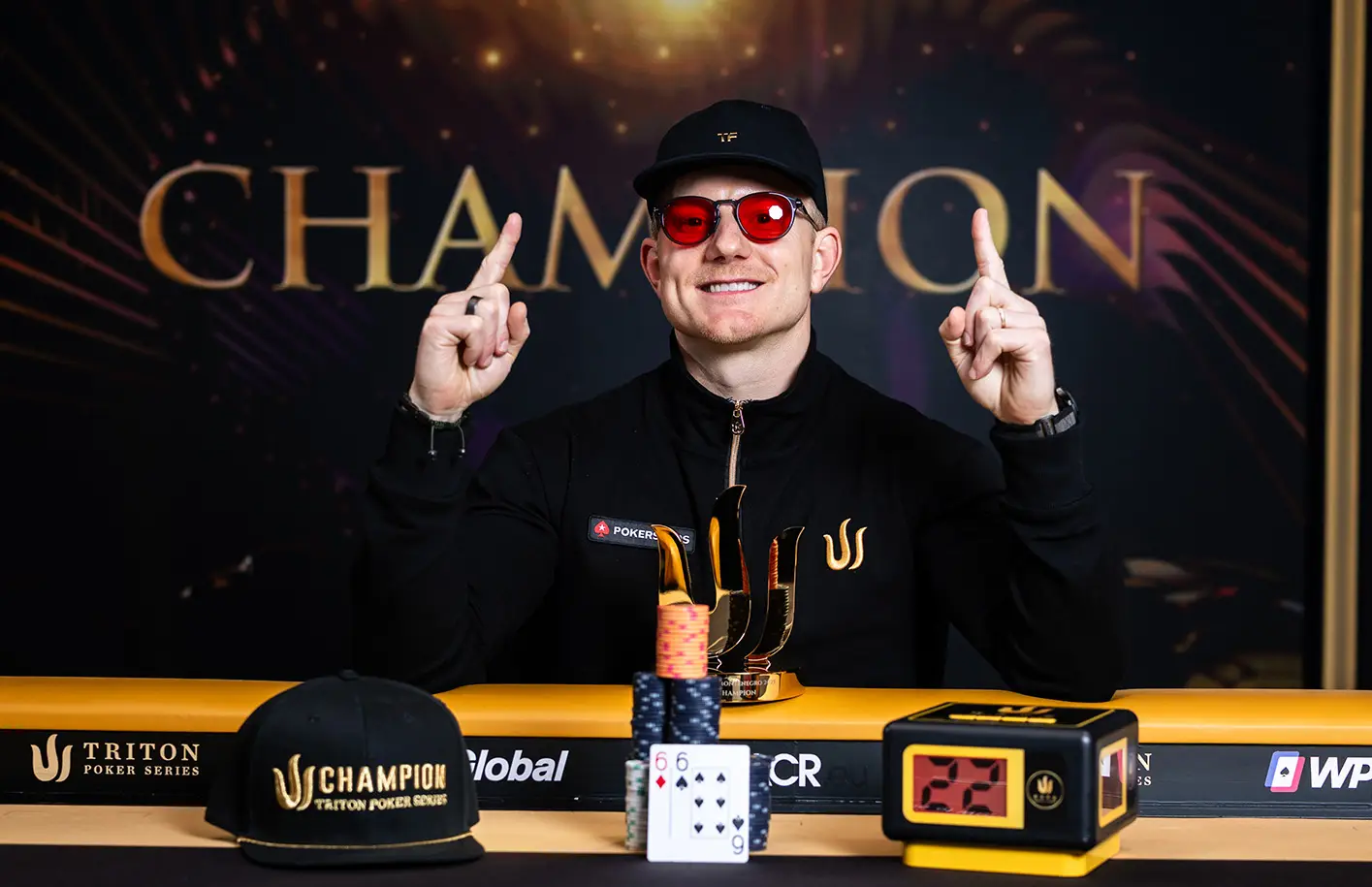
It comes as no surprise to see some of the game’s brightest and best players occupy the top places on the Short Deck All Time Money List. One of the all-time greats, Jason Koon, has had an affinity for the game and Triton Poker in general, and he sits atop the counts. Founding father Paul Phua and Phil Ivey occupy the podium places.
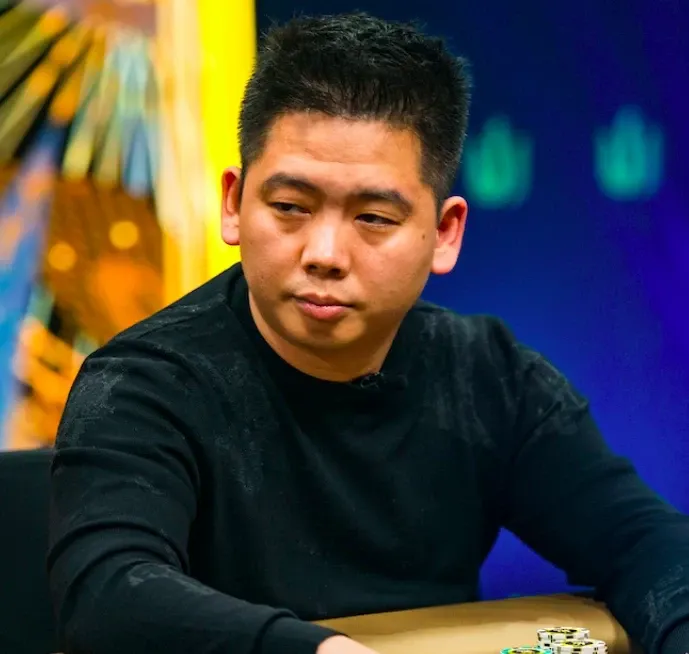
For those unfamiliar with the game, Tan Xuan is always a box office watch. Xuan plays with fearlessness and pure aggression and is one of the favourites to watch of this particular poker writer, whether it’s in the cash game streets or a big buy-in tournament. The Chinese entrenpenuer is always a force to be reckoned with, especially in Short Deck.
| Rank | Player | Short Deck Earnings |
|---|---|---|
| 1 | Jason Koon | $13,274,989 |
| 2 | Paul Phua | $11,688,761 |
| 3 | Phil Ivey | $9,973,854 |
| 4 | Tan Xuan | $8,100,007 |
| 5 | Justin Bonomo | $8,046,562 |
| 6 | Mikita Badziakouski | $7,427,173 |
| 7 | John Gabe Patgorski | $6,995,801 |
| 8 | Rui Cao | $6,410,088 |
| 9 | Cary Katz | $6,085,088 |
| 10 | Timofey Kuznetsov | $5,658,618 |
Reasons For the Decline
Numerous factors can be attributed to the game’s decline in popularity. The game features more ups and downs than a jet-powered see-saw, and the relentless pace of Short Deck led to burnout among both professionals and recreational players. Featuring more swings than a playground and frequent all-ins, while initially exhilarating, became exhausting over time, and there were only so many flips a player could lose before becoming disenchanted with the game. Equities run incredibly close, and even aces rarely hold more than 60% equity against any reasonable hand, and Ace-king suited is around a 55% favourite versus Jack-Ten suited, depending on whether they share the same suit or not. If you enjoy playing suited connectors in Hold’em, consider giving Short Deck a go, as they are even more powerful and are very strong in multiway pots.

As a result of this, the pool of willing participants, especially at high stakes, began to shrink, leading to reduced liquidity and fewer games running, both live and online. This caused the WSOP and EPT in particular to scale back or eliminate Short Deck events from their schedules. The 2023 Triton Series in Monte Carlo was the first without any Short Deck tournaments, signalling a shift in focus back to traditional Hold’em and Omaha formats.
It is not uncommon for certain variants to have their day in the sun before it sets upon them. Seven Card Stud went from being one of the most played games from the 1930s to the early 2000s, before a certain No Limit Hold’em knocked Stud off the top of the perch.
The Game Today and Final Thoughts
Short Deck continues to be played and occupies a certain niche within the high-stakes sphere and small-stakes online games. It is mainly played in Asia, and Triton Poker continues to represent the format. Short Deck may never rival Texas Hold’em in popularity, but its influence on strategy, tournament design, and player psychology is undeniable. The format’s unique blend of action, volatility, and skill has left an indelible mark on the game, inspiring both admiration and caution among those who have experienced its highs and lows, and it is often a bankroll maker or breaker for grinders in the online streets.
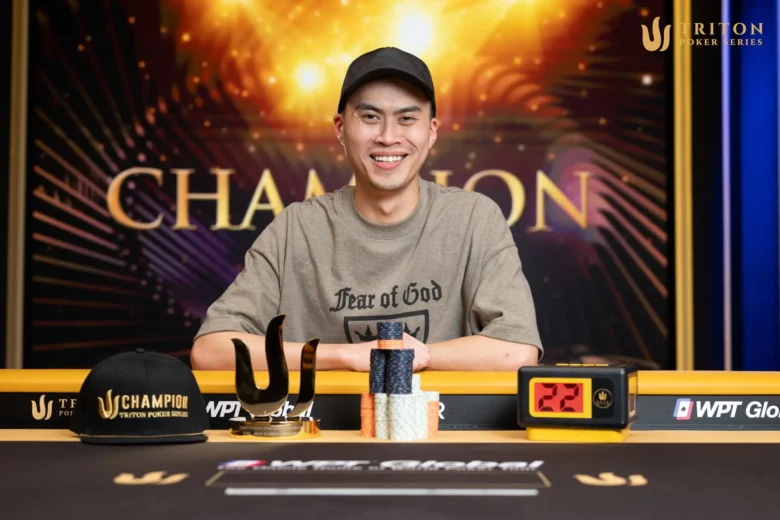
There is always a chance it could make a comeback into the mainstream, or it could be tweaked to make the format less variance-heavy. In the latest instalment of Triton Poker, which is currently in play in Jeju, the structure was tweaked. The $50,000 Short Deck High Roller featured a pot limit betting structure preflop and no limit postflop, and proved popular with high-stakes players, as it received 60 entrants. Short Deck specialist Kiat Lee led home a Malaysian 1-2-3 and banked $840,000 for the win, besting Paul Phua and Lun Loon in three-handed play.
Short Deck may not be the most popular game, but it will always have its customers.
That’s all for now, folks, until next time.
PokerListings Popular Articles

João Simão is Brazil’s biggest winner abroad. So why isn’t he a star at home?
How Do You Know When to End a Poker Session?
Does Stop-Win Have Place in Online Poker: Discussion





Melden Sie sich an, um mitzudiskutieren
Teilen Sie Ihre Meinung und lesen Sie, was andere dazu sagen.