
 EN
EN  DE
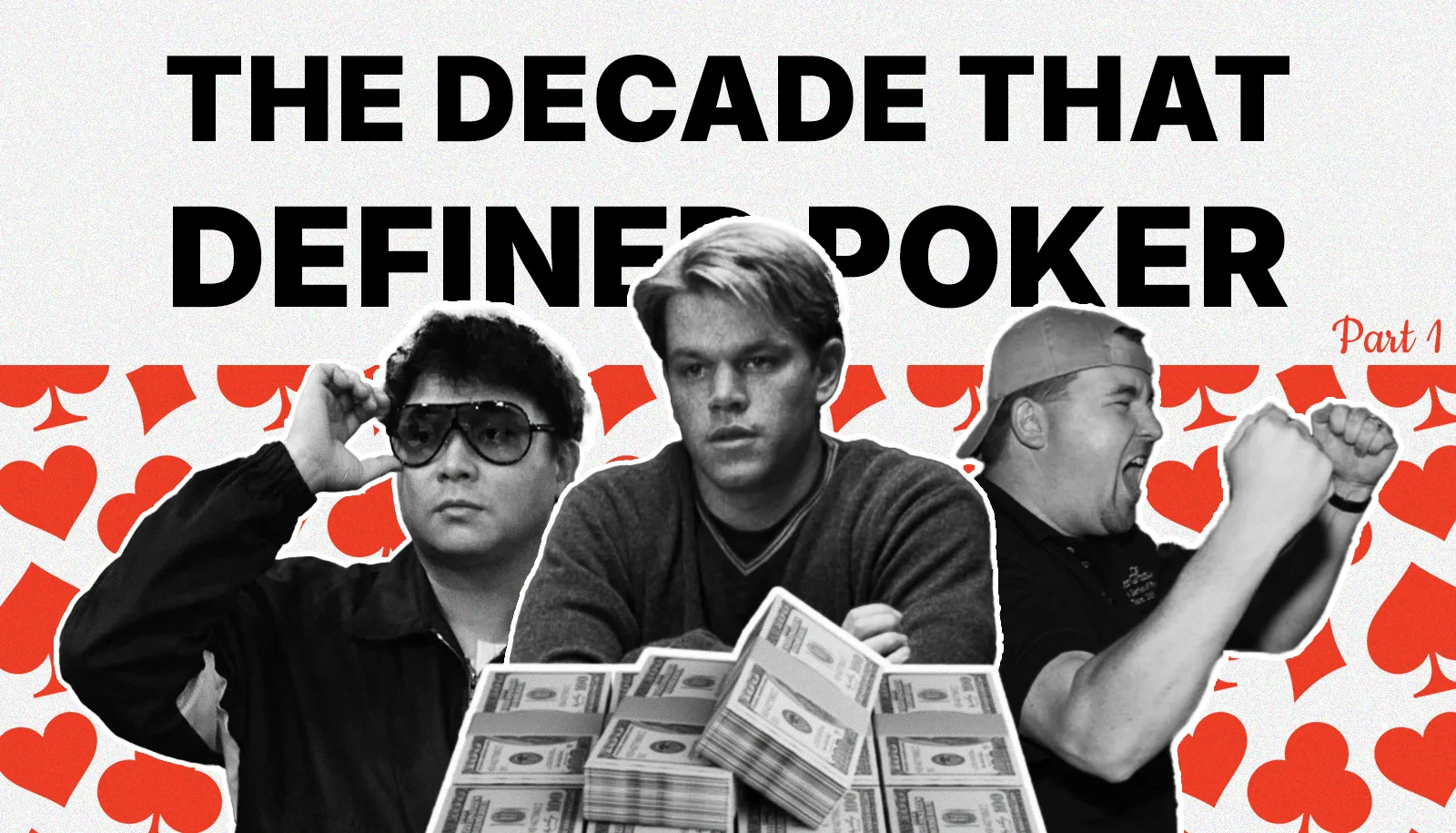
DE The Decade That Defined Poker Part 1: 2000-2003

 PokerListings
-
 CoinPoker 150% up to $2000
18+ | Play Responsibly | T&C Apply
-
 Americas Cardroom 100% up to $2000
18+ | Play Responsibly | T&C Apply
-
 Ignition Poker 150% up to $1,500
18+ | Play Responsibly | T&C Apply
-
 Black Chip Poker 100% Welcome Bonus
18+ | Play Responsibly | T&C Apply
-
 Stake.US Poker $55 Stake Cash + 260,000 GC
18+ | Play Responsibly | T&C Apply

It would not be unreasonable to suggest that without the 2000’s, poker would not be as popular as it is today. This article will take you through the defining moments of the 2000s and how they shaped the game we play today. Here is a look at the crazy ride of poker during the noughties.
The Turn of the Century
Before, people thought the world would end when the clock struck 12 a.m. on January 1st, 2000, due to the “Y2K” bug; poker was perceived in a mixture of ways: an elusive, shady game, played in smoky backrooms of casinos or in basements by criminals, rogues, and drifters, a harmless piece of social fun, played around the dinner table with friends and family.
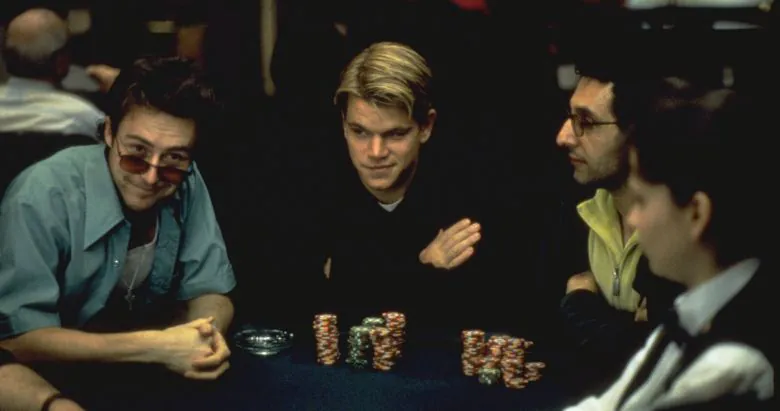
Of course, amongst the existing players who knew it was a game of skill, edge, nerve, and patience. Popular films helped paint this picture: The Sting (1973), California Split (1974), and later Rounders (1998).
John Turturro
It is important to mention Rounders specifically, as it portrayed poker in a different light than the films of the 70’s. It focused more on the psychological aspect, with numerous scenes with Matt Damon’s character, Mike McDermott, explaining via internal monologue, certain tells he has picked up on his main adversary, Teddy KGB, played by John Malkovich. Despite it not being a hit initially, the film sold well on DVD and gained a cult following at the start of the 2000’s and beyond as poker became more popular. If you haven’t seen it, give it a watch; it is certainly worth checking out.
Lights, Camera, Action!
It wasn’t just films that helped poker’s popularity increase in the 2000s. One of the most significant pieces of technology used in poker was introduced to the tables at the WSOP Main Event. The hole-card cam gave viewers watching on television a peek at the players’ cards, increasing its appeal as a spectator sport. The technology was pioneered in the UK on the show “Late Night Poker” in 1999, and viewers could see the cards under the table through a clear acrylic sheet built into the table.
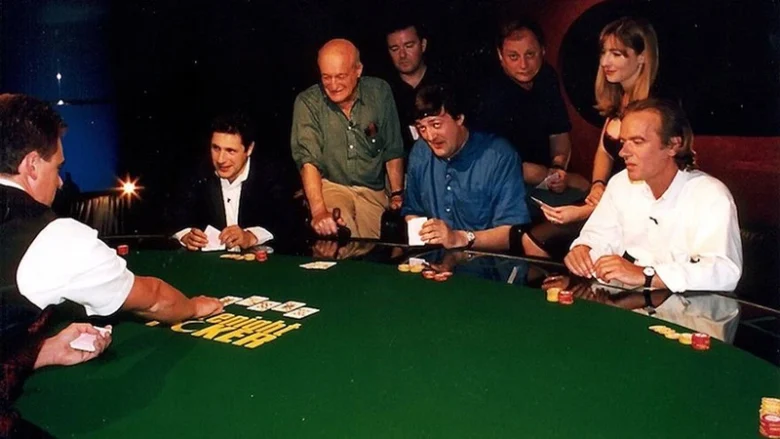
Commentary was provided by the charismatic and dynamic duo of Jesse May and Nic Szeremeta. It was the first of its kind, outside of the live coverage shown by ESPN, and it paved the way for more poker shows to follow in the US, such as “High Stakes Poker” and “Poker After Dark.” It truly was the blueprint for modern televised poker.
WPT launched its first televised season in 2002, originally showing on the Travel Channel in the US before moving to Fox Sports. They televised tournaments with hole-card cameras, and it was the first time US audiences could see the cards. The tournaments were held at major casinos, such as the Bellagio, Mirage, and Foxwoods. It also gave the pros a platform to become famous. Legendary figures Doyle Brunson and Johnny Chan featured regularly, as did “The Great Dane” Gus Hansen and the ever-eccentric Scotty Nguyen. It showcased the players’ different personalities and showed people of a wide range of backgrounds and ethnicities, which helped grow poker’s appeal as a game for everyone, not just a few.
ESPN capitalised on this and introduced it into their coverage of the world’s most famous Hold’em Tournament, which generated hype and interest in the game. The innovation was nothing short of revolutionary, and in this poker writer’s opinion, it might well be the most important addition to poker. The numbers increased each year in the Main Event, but what happened in 2003 would shape the future of the Main Event and poker itself.
The Moneymaker Effect
Perhaps the most notable and famous victory of the 2000s was Chris Moneymaker’s triumph in the 2003 Main Event. Moneymaker qualified online via a satellite worth $86, which he admitted he registered for by mistake. It was such a mistake that he tried to chip-dump to finish in the money places, instead of trying to win the ticket, when he entered the $615 satellite to the Main Event from the $86 satellite. A phone call from a friend changed everything during the satellite, as they offered to buy a percentage of Moneymaker’s action in the Main Event. He managed to win the ticket in the end, and the rest is history.

Before his satellite success, Moneymaker was an Accountant in the Travel industry. Due to the global impact of 9/11, Moneymaker was made redundant, which caused him to turn his attentions to the world of online poker. This helped poker’s appeal to the masses, as it showed a regular guy could qualify for the biggest No Limit Hold’em tournament in the world for a small fee.
Moneymaker was a complete unknown when he hit the tables in Vegas, but he would leave immortalised in the annals of poker history. In fact, it was his first-ever live tournament. His run in 2003 was nothing short of legendary. He took his seat on Day 1 in a record-breaking field at the time of 839, a growth rate of 33 per cent over the year before, when 631 players competed. Remarkably, only 63 players in the field had paid the full $10,000 buy-in; the rest of the field came from online satellites.

He was moved to the feature table on Day 3, with legend of the game Johnny Chan, whom Moneymaker sent to the rail. Dutch Boyd and Humberto Brenes had their stacks claimed by the then 27-year-old Moneymaker during Day 4 play.
With 10 left in the tournament, Moneymaker clashed with all-time great Phil Ivey in what would become one of the most famous hands No Limit Hold’em. Moneymaker flopped trips with ace-queen. Ivey called a bet on the flop in a three-way pot with Jason Lester, who folded to a bet and call on the flop with pocket tens.
Ivey spiked a full house on the turn with pocket nines. Moneymaker bet, before Ivey reraised all in. Moneymaker almost beat him into the pot but needed help. As we know, the ace of spades lands on the river to eliminate Ivey. The pot was big enough to put Moneymaker atop the counts when the official final table of nine was decided. Despite having no live experience, Moneymaker entered the final table as the story of the event. The final table contained real star quality, as to be expected at a Main Event final table: 1995 WSOP Main Event Champion Dan “Action Dan” Harrington and eventual second-place finisher and poker icon Sammy Farha were both in contention for the bracelet.
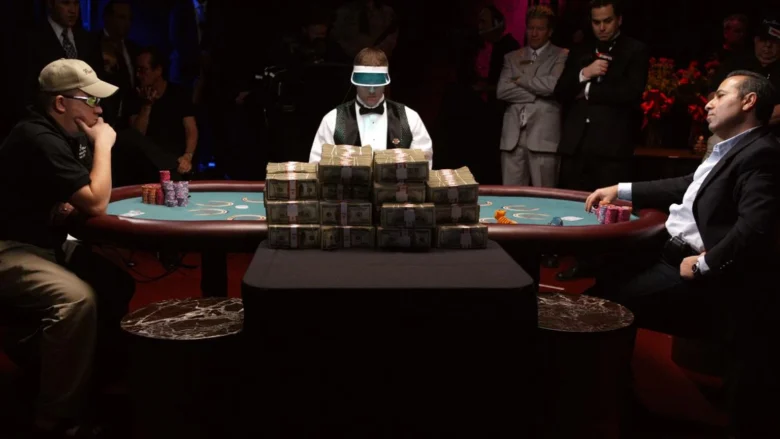
Ultimately, it was Farha and Moneymaker who ended up tussling for the bracelet. Moneymaker showed fearlessness against his more experienced opponent. He pulled off a great bluff on the river of 9 2 6 8 3 . The flop checked through before Farha led for 300,000 on the turn. Moneymaker made it 800,000, and Farha called before checking the river. Moneymaker then moved all in. Farha spent a decent chunk of time in the tank before folding.
The tournament ended with Moneymaker check-raising a jack-high flop of J 5 4 . Farha bet 175,000 with J 10 before Moneymaker raised to 300,000, before Farha moved all in. Moneymaker had 5 4 for two pair, and this hand proved to be the catalyst for the poker boom.
What’s Next?
Stay tuned to pokerlistings.com for continued content from across the world of poker. The next piece will focus on the aftermath of The Moneymaker Effect, and how the game continued to grow live and online whilst taking a look at the pivotal moments of the 2000s.
That’s all for now, folks. Until next time.
PokerListings Popular Articles

João Simão is Brazil’s biggest winner abroad. So why isn’t he a star at home?

How Do You Know When to End a Poker Session?
Does Stop-Win Have Place in Online Poker: Discussion






Log in to join the discussion
Share your thoughts and see what others have to say.