EN
EN  DE
DE Journaling: Poker Players’ Best Friend and Worst Enemy


 PokerListings
-
 CoinPoker 150% up to $2000
+18 | T & C apply | Play responsible
-
 Stake.US Poker $55 Stake Cash + 260,000 GC
18+ | Play Responsibly | T&C Apply
-
 Americas Cardroom 100% up to $2000
18+ | Play Responsibly | T&C Apply
-
 Betonline Poker 100% Up to $1,000
18+ | Play Responsibly | T&C Apply
-
 SportsBetting Poker 100% up to $1000

The human brain is complex, meaning it doesn’t always function properly, especially when it’s in emotionally charged situations. For poker players, this happens almost every poker session — which is why they need self-regulation tools probably more than anyone.
One of the most popular tools for this that many respected poker pros and therapists consider useful, is journaling — keeping a log of your thoughts, feelings, and overall experiences.
However, journaling isn’t that simple — and in this article, we’ll tell you about its pros and cons, as well as how to implement it effectively.
Why Poker Pros & Mental Coaches Adore Journaling
According to Jared Tendler’s article “Effective Journaling”, journaling can help resolve a lot of typical issues related to the poker mindset, including but not limited to:
- Distraction from the game process to self-digging and introspection beyond in-game adjustments
- Lack of habit of self-analysis
- Clutter and disorganization of thinking
- Inadequate overconfidence or underestimation of skills
- Misconceptions about the brain’s ability to process large amounts of information
- Personalization of variance fluctuations
- Inability to sleep well and to block out negative thoughts during a downswing
One of the best aspects of journaling is that you can learn how to keep a calm and clear head under the pressure even when emotions, positive or negative, are overwhelming. It also gives you a outlet to explore solutions for your problems and define a course of action, humanize yourself and find a way to use your negative emotions as a fuel for positive changes.
By journaling, you can discover a new side of yourself, learn to respond more easily to external influences, and cope with intense emotions.
Finally, journaling helps reduce stress and anxiety by providing a tool for putting negative thoughts on paper and analyzing them from an outside perspective.
Don’t underestimate the importance of seeing your thoughts outside your head. Your brain isn’t the most reliable storyteller, especially when it comes to internal analysis — after all, it works according to templates, the foundations of which were formed long ago and often on distorted data. This is why it is so important to give the brain the opportunity to see and hear the results of its thinking from the outside. Processing thoughts through reading, using your eyes and ears, can present them in a completely different light.
Unfortunately, not everyone can benefit from journaling, and for some, it can even be harmful.
The Hidden Dangers of Journaling
According to the article “The Good and the Bad of Journaling” by Steven Stosny Ph.D., journaling may worsen your situation due to the nature of the actual process.
As a result of regular journaling you can:
- Start going inward, literally settling into your mind and becoming more and more distant from others
- Develop a distorted perception focusing on how you describe a particular event in your journal, instead of experiencing it in life
- Ingrain the misperception of self and become self-obsessed
- Fall into doubt and guilt instead of looking for solutions
- Shift the focus in life from positive events to negative ones
Some people are more vulnerable to these outcomes than others: overthinkers, depressed individuals, narcissists and their opposites — echoists. If you are one of them, consulting with a therapist or qualified mental coach before journaling may result in you receiving more effective tools.
How to Make Journaling Easy & Helpful
Jared Tendler recommends using journaling for just two purposes.
1. Write a Journal to Cool Down
As soon as you finish a poker session or any other serious, emotionally demanding activity, take a blank sheet of paper and write down everything that comes to your mind at the end of this session. Extracting every worry and joyous thought is equally important for quality calming. If, in the process, you come to some solutions or uncover an issue you didn’t think of before — you can always analyze them in the same manner.
If you are one of those people whose thoughts just don’t flow like that — or you are scared of blank paper, which is completely normal — use the following questions to help yourself:
- What did you do well in general and/or improve on the things you’ve been working on?
- What mistakes did you make?
- How can you improve on them and/or be better next time?
If the session or day is especially emotionally charged, you can also go through Jared’s free “The Mental Hand History” — a collection of specific actions for analyzing and solving each problem precisely and separately from others.
2. Write a Journal to Warm-up
Since journaling helps to organize and calm the mind, it can be a perfect tool for getting ready to play or do some serious work. Especially, if something concerning is going on in your life at the moment.
An hour before you start working, devote up to 15 minutes to journaling — no more or you might get sucked too deep into your emotions. Write down everything you feel worried about right now, recognizing these problems, expressing them on paper and leaving them there for the duration of the game/work. Read it once — and put it aside. Do not re-read it as a part of the future warm-up to avoid emotional overload.
Stricter Journaling from Dr. Stosny
Dr. Stosny recommends sticking to a stricter journaling routine to avoid potential harm, even if you aren’t in a risk group. For that, he formulated two sets of questions.
The first set of questions is about problems and negative feelings that you feel need to be expressed — write them down in free form, and then ask the same questions for each one:
- Would you think the same if you felt comfortable?
- Can you convert the negative energy of this experience into positive creativity and growth?
- Would you feel the same if you were firmly in touch with your core values?
- Are you acting according to your deepest values and the kind of person you want to be?
Each answer from this list you need to accompany with an explanation of how it is in keeping with your deepest values.
The second set of questions is designed to help you conduct a more in-depth analysis of each situation:
- What can you learn from this matter?
- How can you grow from this experience?
- How can what you learned make the world a better place and you a better person?
- Can you tolerate a certain amount of ambiguity or lack of clarity about this matter?
- Is it okay to have mixed feelings about the matter you described above?
- Can you raise your confidence to deal with the worst-case scenario, should it occur?
- Do you have a plan of action should the worst-case scenario happen?
- What are the perspectives of other people in your problem description?
- How would they describe the events?
- What core hurts might they be experiencing or avoiding (unimportant, guilty, devalued, powerless, inadequate, or unlovable)?
- Are you being as humane and compassionate as you want to be?
- Do you think the other people involved in your description are more frail than cruel or evil?
You don’t need to answer every question on this list — just those that apply to your specific problem. You also don’t need to write a lot of sentences — the main thing is that what you write reflects the essence.
The final step of journaling is to describe what you will do to improve the situation you described above if you can do anything. If improvement of the situation is impossible, you can write how you can improve your experience of it, making it more pleasant or less uncomfortable.
Remember, if you’re unsure how to approach journaling, you can always consult a mental coach or therapist. A single session won’t cost you too much but it can significantly improve your life.
PokerListings Popular Articles

How to Transition From Play Money to Real Money Poker Smoothly

Work on Yourself and Be Boringly Skillful: Dan Cates Advises
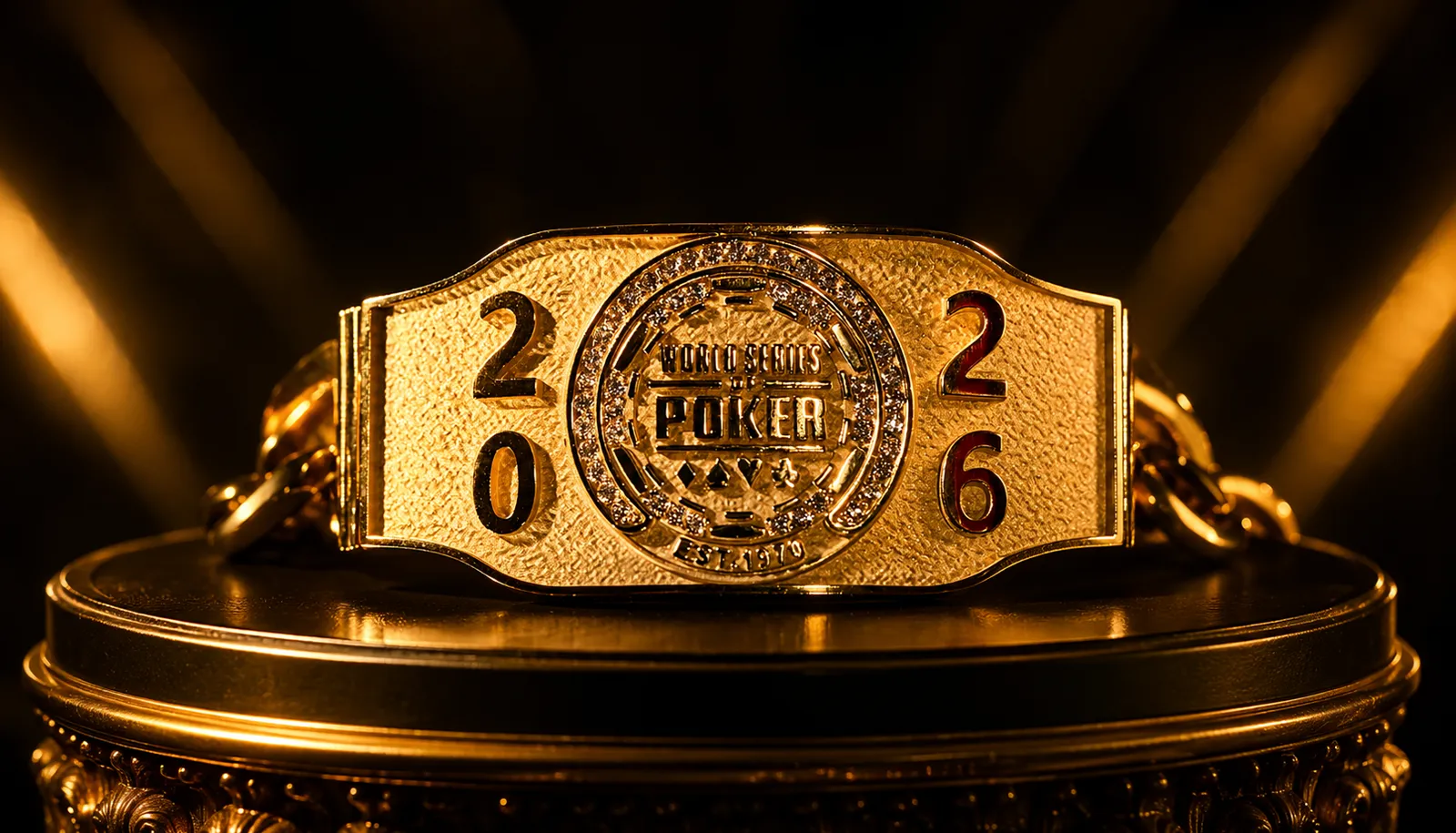
Do WSOP Bracelets Still Carry as Much Prestige as They Used To?