
 EN
EN  DE
DE Do WSOP Bracelets Still Carry as Much Prestige as They Used To?

 PokerListings
-
 CoinPoker 150% up to $2000
18+ | Play Responsibly | T&C Apply
-
 Americas Cardroom 100% up to $2000
18+ | Play Responsibly | T&C Apply
-
 Ignition Poker 150% up to $1,500
18+ | Play Responsibly | T&C Apply
-
 Black Chip Poker 100% Welcome Bonus
18+ | Play Responsibly | T&C Apply
-
 Stake.US Poker $55 Stake Cash + 260,000 GC
18+ | Play Responsibly | T&C Apply

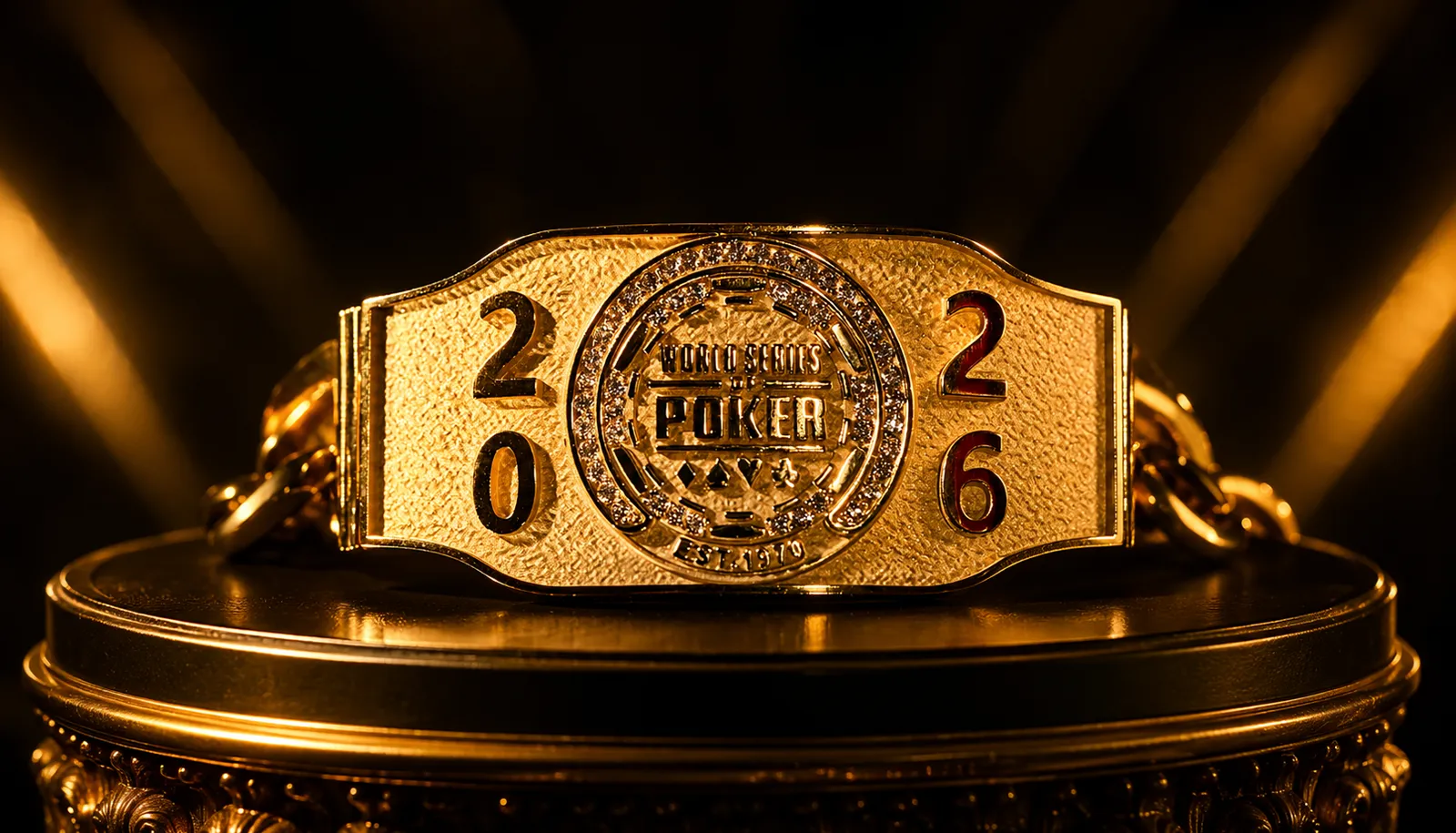
For nearly fifty years, the WSOP bracelet has represented what many players consider the ultimate reward in poker. It is not simply a trophy you place on a shelf, because winning a bracelet means becoming part of World Series of Poker history and joining a list that includes legendary players such as Doyle Brunson, Phil Hellmuth, Phil Ivey, Daniel Negreanu and Johnny Chan. For some professional players, winning a bracelet even remains a career goal. Bracelets have officially been awarded to WSOP winners since 1976.
Yet one question is coming up more and more often, and in 2026 many players are wondering whether a WSOP bracelet still carries the same symbolic value it did twenty or thirty years ago!
The debate is fairly simple. There have never been as many opportunities to win one as there are today, because the WSOP has expanded beyond Las Vegas to Europe, the Bahamas and even the internet. This multiplication of events gives more players the chance to win one, which obviously raises the question of rarity.
A Symbol That Helped Build Poker History
The first WSOP bracelets were awarded in 1976, and before that, winners received different types of trophies. Little by little, the bracelet became inseparable from the World Series of Poker, to the point that the organization now compares it to an Olympic gold medal or a Super Bowl championship ring.
For a long time, this reward was extremely rare! In 2000, the WSOP offered only 24 events with a bracelet on the line. In 2005, when the WSOP moved to the Rio and was benefiting from the poker boom, 45 bracelets were awarded. Finally, in 2010, the schedule featured 57.
Originally, winning a bracelet almost always meant traveling to Las Vegas and winning a poker tournament during the prestigious festival, which lasted several weeks. That rarity obviously contributed to the myth! Whenever a player added a bracelet to their résumé, they immediately gained a special status within the poker world.
That is also why historical records have become so valuable. Indeed, Phil Hellmuth’s 17 bracelets, Phil Ivey’s 11, and Daniel Negreanu’s eight are not simply statistics. They represent several decades of WSOP performances!
Far More Bracelets to Win Today
This is where the comparison with modern poker becomes interesting. As a reminder, the 2026 WSOP in Las Vegas offered 100 live bracelet events. On top of that, 30 bracelets were awarded during the parallel WSOP Online series. WSOP Europe 2026 added 15 bracelets, while the global WSOP Online series on GGPoker is offering 33 between August and September. Finally, another 20 bracelets are due to be awarded at WSOP Paradise in the Bahamas in December.
If we add all those schedules together, as many as 198 WSOP bracelets could therefore be awarded in 2026. From there, directly comparing that figure with the 24 tournaments held in 2000 would obviously be a little simplistic! Poker has grown enormously, the number of participating players has exploded, and the WSOP has become an international brand. But whatever the case, the difference remains spectacular.
The bracelet has gone from being a rare reward, almost exclusively associated with Las Vegas, to a title that can now be won in several parts of the world, and even from a computer. Naturally, that evolution fuels the idea that its prestige has been diluted.
Not All Bracelets Carry the Same Value Anymore
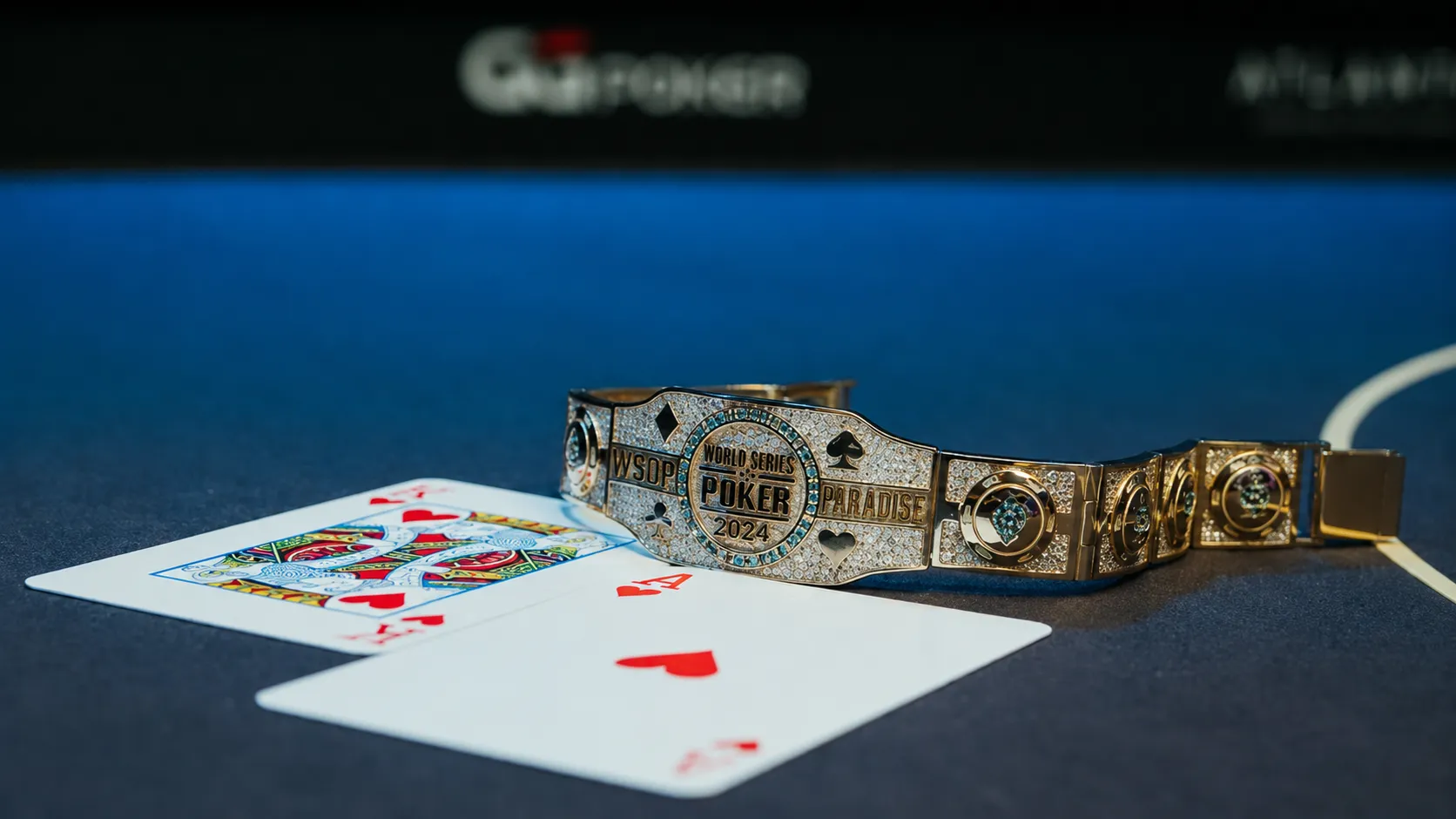
There is, however, one important point to consider. In reality, the poker community already makes a distinction between the different bracelets that can be won. Nobody genuinely believes that every WSOP event carries exactly the same level of prestige!
In August 2026, Lucas Jumalon won the Main Event after battling through an exceptional field of 9,208 players. He won $10 million, but above all, the title of world champion. That bracelet will remain associated with his name throughout his career, and his victory will become part of poker history.
A few weeks earlier, Adrian Mateos, a member of Team Winamax, had won the $250,000 Super High Roller for more than $4.3 million. The tournament drew only 56 entries, but the field included some of the best players on the planet. The victory gave him his sixth bracelet and made him, at 31, the youngest player in history to reach that total!
Between those two examples, it would be difficult to put such performances on exactly the same level as winning an online tournament with a buy-in of only a few hundred dollars! The trophy is officially the same, but the context clearly is not.
The prestige of a bracelet now works a little like titles in other sports. They all count on a player’s résumé, but some carry far more weight than others. The WSOP Main Event remains, and will remain, at the top of the pyramid, followed notably by the Poker Players Championship and certain Super High Rollers! At the other end of the scale, lower buy-in events and some online tournaments are still genuine WSOP titles, but winning them naturally has less impact.
Online Poker Has Probably Changed the Perception
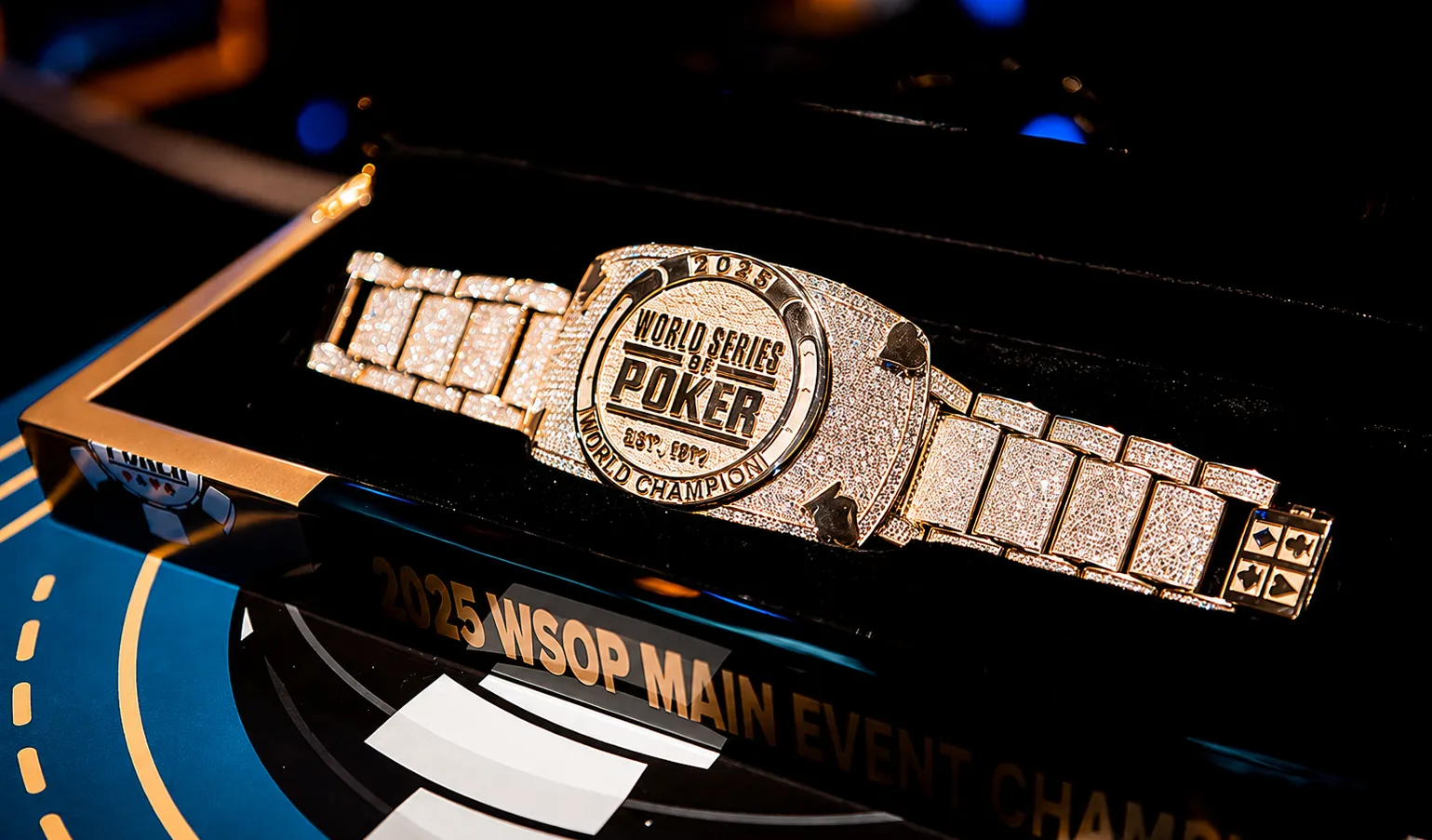
The first WSOP bracelet won online dates back to 2015. At the time, it was still an almost exceptional experiment. In 2019, nine bracelets were awarded online. Then the 2020 pandemic completely accelerated the phenomenon, with dozens of bracelets handed out on the internet.
Today, online series are fully part of the WSOP ecosystem. And from a commercial or international point of view, that makes perfect sense! Players who could never have spent several weeks in Las Vegas can now take part in official events and try to win a WSOP bracelet, but symbolically, something has changed.
For decades, winning a bracelet meant surviving a live tournament, playing under the WSOP lights, dealing with fatigue, cameras and sometimes several long days of competition. That dimension was part of the story surrounding the victory! It is therefore easy to understand why winning a bracelet from home has considerably less panache…
Of course, that does not mean a WSOP Online tournament is easy, because online fields can be enormous and extremely tough, but the experience and the image associated with the title are simply no longer the same.
Winning a Bracelet Is Still a Huge Achievement
It would nevertheless be unfair to conclude that bracelets no longer mean much simply because there are more of them. Modern fields are gigantic, and some affordable events attract several thousand players. In 2026, the Seniors Championship attracted 7,538 entries, for example, and winning a tournament of that size remains an exceptional achievement!
Even with 100 events held over the summer, the vast majority of players leave without a bracelet. Many elite professionals can play for ten or fifteen years without ever winning one.
Above all, the players’ own reactions show that the award still carries enormous value. When an experienced player finally wins a first bracelet, the emotion is rarely that of someone who has simply won one more tournament…
The WSOP Knows the Question of Rarity Matters
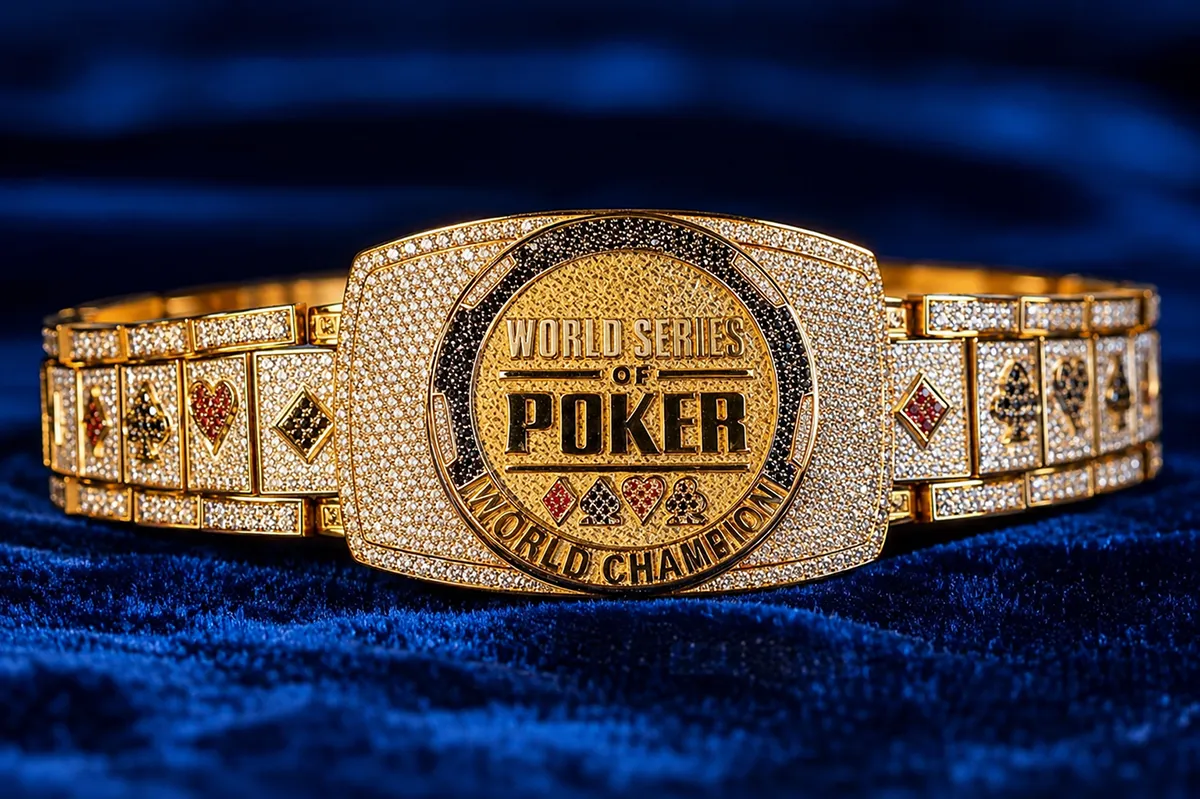
This debate is not only being driven by players or the media. In 2025, Ty Stewart, then the WSOP’s executive director, was asked on Reddit about the risk of awarding too many bracelets. He acknowledged that the organization was starting to approach a limit, while also pointing out that statistically, winning a WSOP bracelet remains extremely difficult!
He even floated a rather surprising idea: some events could be granted bracelet status after the fact, provided they had, for example, generated at least $1 million in prize money.
The idea is interesting, but the WSOP clearly has every reason to expand its schedule, since a bracelet obviously attracts more players than a standard tournament. At the same time, it also has to protect the value of the award that forms such a major part of its identity. Ultimately, awarding more bracelets helps the WSOP grow. But awarding too many could eventually weaken the brand.
Less Uniform Prestige, but Still Very Strong
Ultimately, I think the answer to the question in our title is more nuanced than a simple yes or no. A WSOP bracelet probably no longer carries exactly the same prestige it did when only a few dozen were available each year, exclusively in Las Vegas. Their multiplication, and especially the massive arrival of online events, has inevitably reduced some of their rarity. But that does not mean the bracelet has intrinsically lost its value!
My feeling is that players have simply created a hierarchy. Today, saying that a player has won a WSOP bracelet remains an important distinction. But to truly measure the significance of a victory, you now have to look at which bracelet they won, how many players they beat, which poker variant, what the buy-in was and the context in which it happened.
An online bracelet or a victory in a more modest tournament probably carries less aura, but it is still an official World Series of Poker victory! Ultimately, the WSOP bracelet may not have lost its prestige. It has mainly lost its uniformity.
And in a poker world that has become much bigger, more accessible and more international than it was twenty years ago, that was probably inevitable!
PokerListings 







Log in to join the discussion
Share your thoughts and see what others have to say.