Can Poker Survive Without Gambling?

 PokerListings
-
 CoinPoker 150% up to $2000
+18 | T & C apply | Play responsible
-
 Stake.US Poker $55 Stake Cash + 260,000 GC
18+ | Play Responsibly | T&C Apply
-
 Americas Cardroom 100% up to $2000
18+ | Play Responsibly | T&C Apply
-
 Betonline Poker 100% up to $1000
18+ | Play Responsibly | T&C Apply
-
 SportsBetting Poker 100% up to $1000
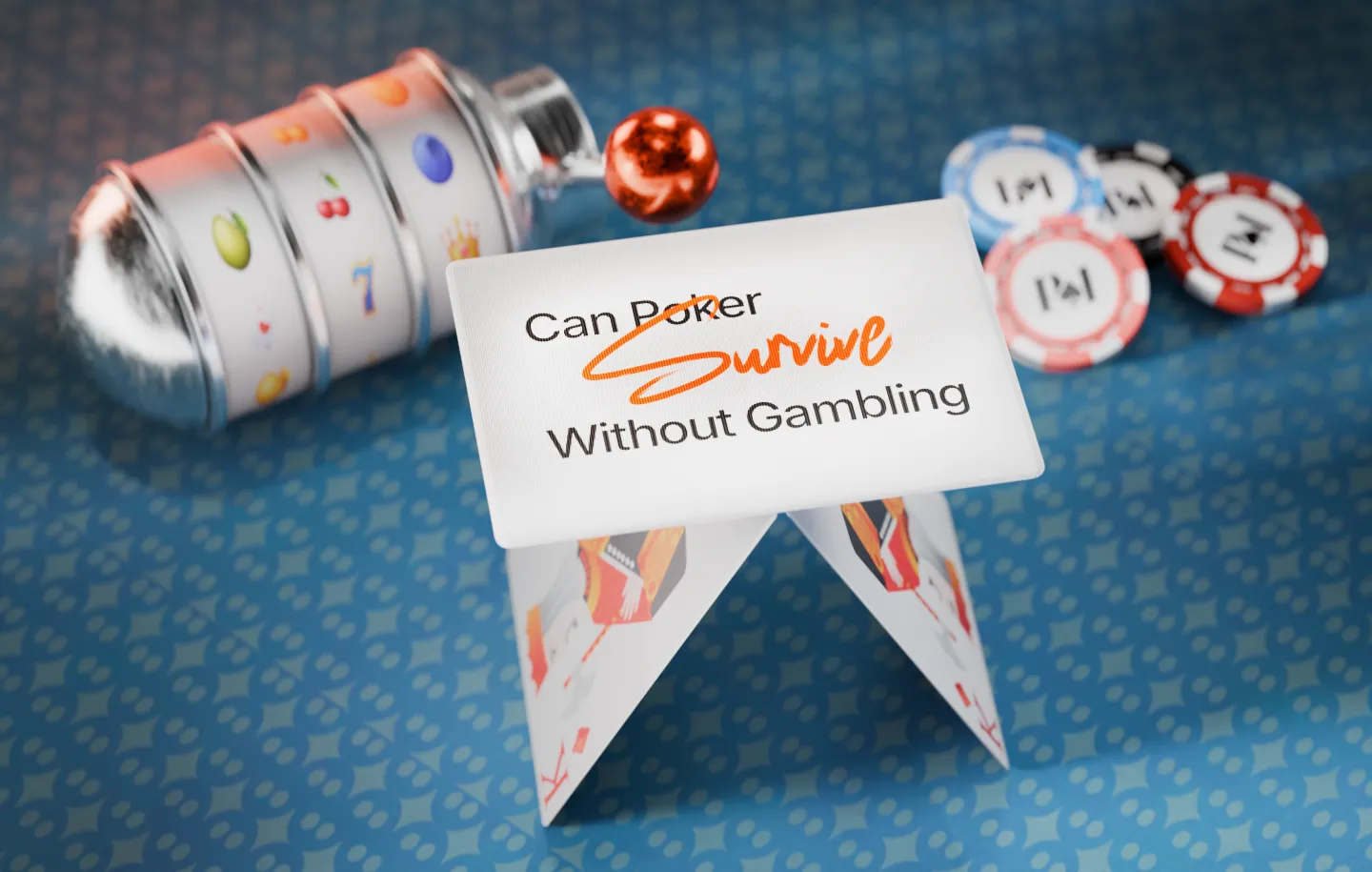
Some members of the poker community have strong opinions on why poker and gambling should be separated, at least when it comes to marketing and representing our beloved game. Others think that not only are gambling and poker intertwined but that attempts to detach them from one another could harm the game. So, who’s right?
As a discussion, kicked off by Blaise Bourgeois, showed, no one and everyone the same time. Let’s look closer at the nuances.
Poker Should Be a Game of Skill
In some poker players’ wildest dreams, a time will come when the world will come to think of poker as an intellectual game of superior minds. Similar to chess but still better, because chess will never have the amounts of money that poker has.
Blaise Bourgeois shared something similar on X (Twitter) on January 20th, 2026, stating he belongs to the camp that sees poker as a competitive game of intellect:
I strongly believe the best way to grow the new generation of poker is to introduce poker as an academic/math-based game, rather than an extension of gambling. What hasn’t worked is celebrity/creator games, hyper tournament formats, and other ways that increase luck factors.
He also suggested making poker more appealing for students by creating a discount on tools:
One idea I’ve had is for college students to have free / affordably discounted access to solver tools. These platforms could also sponsor poker clubs at various academic institutions, and send representatives to present the game from an intelligent perspective. Nerds > addicts
The main theme of this approach is simple enough: if we can change the image of poker from “this is gambling” to “this is skill/an intellectual game” we make its public image more serious. It becomes:
- This is the game you can master to overcome luck by your skillset;
- The game you can play to be financially successful and independent;
- The game where you can meet smart people like you;
- The game that can help you to strengthen your mind and spirit;
We can move away from the stigma that comes with gambling and casinos and instead create links with mathematics, psychology, neurophysiology and behavioral sciences.
Poker Should Be a Social Game
Coming from a different viewpoint, recreational player Stacey Vaughn suggested “selling” poker as an entertaining interpersonal game:
I actually think poker needs to be hardcore rebranded as a social game (like it used to be). People happily spend money on fun and entertainment.
Stacey Vaughn: The game has to feel fun, welcoming, and entertaining. Too many tables have headphones, people reading books or watching movies, ICM/GTO debates at the table, extreme rule-strictness to a fault, and regulars getting annoyed or hostile when someone takes what they think is “too long.” It’s just not welcoming to new players at all.
(Plus all of the re-entry business has priced out many social players)”
Stacey’s opinion has a grain of truth to it. During the pandemic, online poker gave people the chance to try something new while they were stuck at home trying not to go insane. The COVID-19 lockdown gave online poker an unusual peak, which unfortunately ended since people were fed up with sitting at home without a chance to properly socialize.
So, after the pandemic, live poker became their saving grace, giving them a place to go out, meet and converse with people from all walks of life during the game. After all, poker is still a game where people try to find friends or at least acquaintances, have a great time, spend money and test their luck without committing to it as a profession.
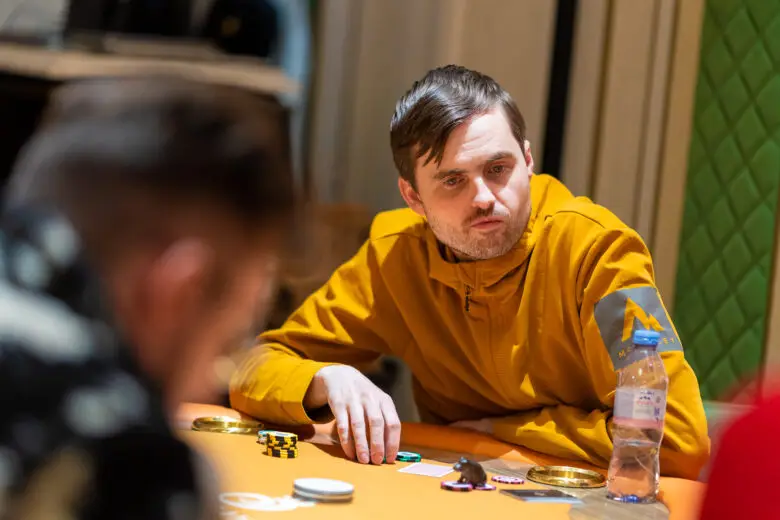
It’s fair to say that poker is as entertaining as the people you play it with. Imagine the same game without any laughter, plagued by only serious professionals who neither smile nor talk but wrap themselves in hoodies, cover their faces, and put on headphones — so as not to see or hear their opponent, you. This is going to be neither interesting nor stimulating for the recreational player.
When you see poker advertised on social media or streaming services, it always boils down to how fun, light and fascinating poker it. Girafganger7’s unexpected outbursts of “CHUPA!!!”, Martin Kabrhel annoying yet sometimes hilarious monologues, Daniel Negreanu’s wino jokes — it’s easy to understand the social appeal of the game.
Everybody Wants to Help Poker, They Just Disagree on the How
I’ll paraphrase a quote from Season 1 of Fallout because this is exactly the problem of all similar discussions.
Everyone tries to convince each other of the truthfulness of their opinions because they all want to “save” the poker industry — to see it grow and become more popular and friendly not only for newcomers but for professional players as well.
The question is: Can a one-and-only approach reach this goal?
I think — no, because we need the golden mean.
The risk of “poker is solely a game of skill” approach is obvious. When we start to thinking of poker as a serious game of skill, grind and mathematics, poker instantly becomes less appealing for people who just want to gamble, have fun, or try their luck. The truth is, recreational players are the bread and butter of this industry: without them professional poker players and snobbish elitists just won’t have the money flow they need to provide for themselves.
The other risk, the one of seeing “poker solely as a social game” is related to gambling. By pushing this narrative as the only important part of the game, poker players show the world that they aren’t serious because all they so is play for fun.
Here’s it’s worth noting that surges in interest in poker occur in two ways: when it becomes more accessible and when it becomes more gambling-oriented. As Eric Shunn said on X:
People hate math. People love socializing, games, and gambling.
Remember, Chris Moneymaker sparked 2000s poker boom in part because his example made people realize you could play from home and, even without being a pro, win life-changing money one day.
Twitch poker streams and YouTube videos help popularize poker using personalities, not talking about poker math and variance but showing their emotions during the game, especially when they win something. At the same time, poker has been implementing ZOOM, Spin&Go, different Jackpots, PKO, Mystery Bounty, more gambling, more chances to win without playing much and each of these changes attracted more and more people.
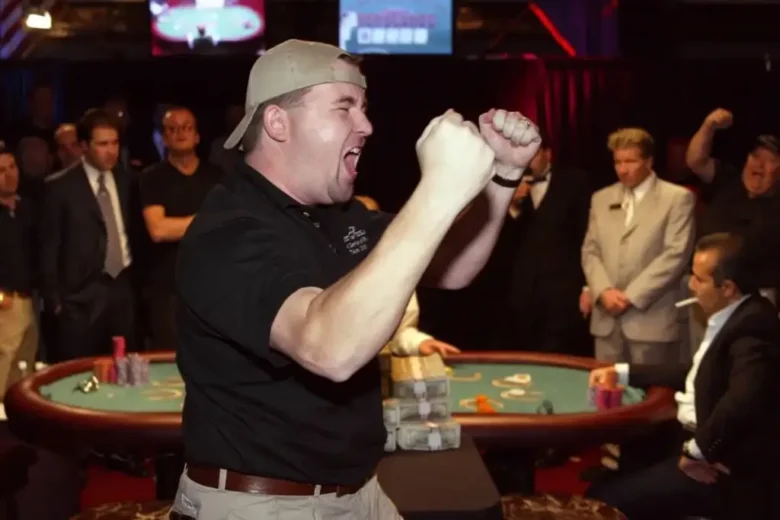
The reality of poker broadcasting confirms that only the minority finds grinding, GTO play and stoic regulars appealing. The majority is looking for entertainment that other sports already have.
But what about the idea of poker as a serious game and profession then?
Well, the sound-minded poker pros don’t want to have more competitors or increase the average level of skill. That’s why some of them are against changing poker’s image to a hardcore skill-based or academic game, as Blaise Bourgeois suggested.
However, most of them want to be respected in their choice of profession and that’s why they stick to the “poker is a game of skill” argument. The poker community doesn’t like the stigma attached to gambling, even if it brings money to the industry and regs’ wallets, because it creates the impression that all pros are just gamblers.
So for their sake, the poker industry could work on its image a bit, reshape poker as a social game where players can master their skills and become a professional, without making these skills a prerequisite for enjoying the game. This is exactly what I’m hinting at when I mention the golden mean: We shouldn’t separate poker from gambling, but we should show people that they can have fun while developing their skills, as well as freedom to choose if they want to go pro or not.
PokerListings Popular Articles
Online Slots with Bonus Rounds: Complete Guide to the Best Games

Denys Chufarin: GGPoker’s Most Famous Short Deck Expert
Why Should Beginners Study GTO and How Does GTO Wizard Help?