
 EN
EN  DE
DE Texas Hold’em Starting Hands Cheat Sheet

 PokerListings
-
 CoinPoker 150% up to $2000
+18 | T & C apply | Play responsible
-
 Stake.US Poker $55 Stake Cash + 260,000 GC
18+ | Play Responsibly | T&C Apply
-
 Americas Cardroom 100% up to $2000
18+ | Play Responsibly | T&C Apply
-
 Betonline Poker 100% Up to $1,000
18+ | Play Responsibly | T&C Apply
-
 SportsBetting Poker 100% up to $1000

Texas Hold’em Starting Hands
There is no such thing as a Texas Hold’em Cheat Sheet that will help you cheating in Texas Hold’em Poker, but it can help you understanding which hands to play and how to play them in certain betting rounds or positions. These kind of cheat sheets are often used in online poker, some poker software accept you using them, some don’t. But it would look quite weird to pick up and read before every betting round in a live poker game, don’t you think?
If you are interested in learning Texas Hold’em Poker quickly, please have a look at our beginners guide on how to play Texas Hold’em poker. If you want to improve your poker game, watch the video below for some immediate help picking the right Texas Hold’em Starting Hands.
After watching the video you will have an idea of how to setup your own poker hands hands cheat sheet.
How to Play Texas Hold’em Starting Hands
First things first, in order to fully grasp the value of certain starting hands it is utmost important that you know how all Hold’em hands are ranked. If the hand rankings are a bit unclear to you, check out our complete cheat with all poker hands ranked from highest to lowest.
Now let’s jump into the different types of Texas Hold’em starting hands.
Pocket Aces
You dont need a poker cheat sheet to play this hand. Although you can write volumes about detailed lines and theories on maximizing profit with this hand, other than folding there is rarely a scenario in which you can ever make a mistake with this hand (pre-flop that is).
Post Flop: Even though this is the best starting hand, if the board doesn’t improve your hand you only have one pair. Keep this in mind to avoid stacking off to random two pairs and sets in your poker games.
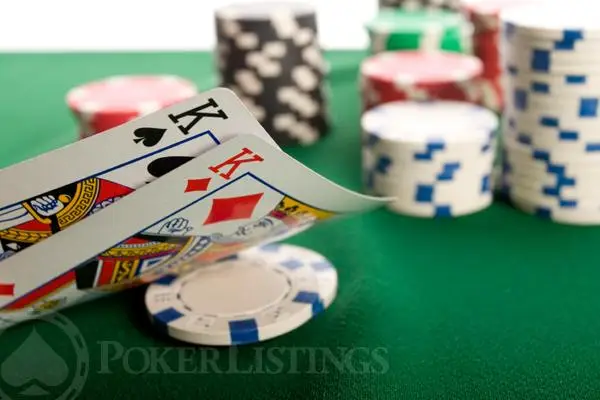
Pocket Kings
Pocket kings are almost identical to pocket aces pre-flop. Neither this time you will need any Texas Hold’em hands cheat sheet to play correctly. Although players have folded KK pre-flop, it’s rarely the correct thing to do. If someone else is dealt AA when you have KK, chances are you’re going to get it all in. Don’t worry about this, just write it off as a cooler and move on.
Post Flop: The same ideas about post-flop play with AA are applicable to KK. On top of the “one pair” concept, you also need to be on the lookout for an ace on the flop.
Although an ace flopping is not automatically a death sentence, it’s never a good sign.
Related Reading:
Pocket Queens and Jacks
Queens and jacks are right in the middle – below the big pairs and above the marginal pairs. These hands can be some of the trickiest to play. That being said, these two hands should still be in your list of top 10 most profitable hands.
Unlike AA and KK, these hands are very foldable pre-flop in certain situations. If you’re playing at a table with tight and passive players, where people are only raising with legitimate hands, many players would say that calling after one player raises and another re-raises pre-flop can be a mistake. Many players would just bet all the money with QQ and JJ and will often have a hard time profiting. Remember there are more Hold’em hands so come and you will get better chances.
Post Flop: If there is heavy action pre-flop, you have to assume you’re either beat, or at best up against AK. You only want to continue with these hands if the board improves your hand, or your opponents back off, showing signs of weakness.
Related Reading:
Pocket Pairs Below Jacks
Example: 10 10 , 9 9 , 8 8
Playing tight and aggressive preached in the article How to Crush Live $1/$2 No-Limit Hold’em, all of these hands are playable with no raise or a single raise (especially with multiple callers) for set value. You’re set mining with these hands. If you don’t hit your set, you don’t make a bet. Got that? No set, no bet. The only goal with these hands is to flop a set and double up through the pre-flop raiser holding pocket aces.
One Thing to Keep in Mind: The lower pair you have, the greater the chance that you will find yourself in a set-over-set situation.
Anytime you flop the under set in a set-over-set situation, you will be lucky if you don’t lose your entire stack. For this reason, many players will refuse to play pocket pairs below fives.
Related Reading:
Top-Pair Hands
Example: A K , K Q
Hands such as A-K, A-Q, A-J and even K-Q can be profitable hands to play and should be marked high in your poker cheat sheet. At a loose table, these hands are great for raising when you have position (and no one has raised before of you).
TThe way to make money in Texas Holdem Poker with these hands is to trap a loose opponent with the same top pair, weak kicker. The most important thing to keep in mind with hands such as K-Q or A-J is you almost never want to call a raise with these hands. These hands are the most commonly dominated hands when faced with a raise, and as such will lose you significant money if you get into the habit of calling raises with them. Of course the poker games are always changing, especially in Texas Hold’em poker. It is different to play poker games live and play online poker and it is also most often a big difference to play poker games on different online poker rooms. What I am telling you now are guidelines that you have to keep in mind.
Post-Flop: Much like AA and KK, you need to remember that one pair is a hand easily beaten in Texas Holdem Poker. If your opponent is a very tight player there is little chance he will be putting in large bets against you if he can’t beat top pair.
You need to change how you play depending on the players you’re against.
Related Reading:
Suited Connectors (and Suited One-Gappers)
Example: 9 8 , J 9
Suited connectors means that your cards are connected and has the same suit. Suited connectors can be some of the most valuable hands in Texas Hold em cash games. That being said, they aren’t sure things and will miss everything far more often than they will hit it big. You want to fold small suited connectors (if not all suited connectors) from early position.
In middle to late position you want to play these hands with due diligence. You don’t want to be calling large raises to play these hands heads up. Your goal with these hands is to play the largest pots possible for the least amount of investment possible. You need great odds to make money on these. Without the odds, they should be folded from any position. In live texas holdem games you will experience players to play these kind of hands more often because you get dealt hands less often compared to online poker.
Suggested Reading:
Suited Aces
Example: A 4 , A 9
Similar to suited connectors, these hands are played only to take down very large pots for a very small investment. You are not playing these hands to hit an ace and get into a betting war. As explained in this article, you don’t want to play against an ace, even if you have a small ace yourself. If you don’t hit a draw on the flop (or better yet the nuts), you should be done with these hands. It’s almost never profitable to be paying for backdoor draws. In Texas Holdem Poker Cheat Sheets you often see the whole table filled with these hands when playing from Cutoff and Button, while you should fold it from the small blind.
More Texas Holdem Starting Hands
Example: 9 6 , 7 2 , K 10 , 6 3 , Q 5
Simply put, every other hand you can be dealt is going to lose you money. As a beginner or even intermediate player, hands that may look great – such as an off-suit Q-J or J-10 – are simply going to lose you money in the long run. So don’t play hands like these. The worse the hands you play, the harder the decisions you’re going to have to make post-flop. Therefor, fill your Texas Hold’em hand cheat sheet with the hands I have spoke about before. The better you get at Texas Holdem Poker, the more hands you can fill your cheat sheets with as you will grow as a poker player by playing basic texas holdem from start.
The goal as a beginner poker player is to make as few mistakes as possible. And the best way to limit the number of mistakes you make is to reduce the number of difficult decisions you have to make. In other words, don’t have bad Texas Hold’em hands in your cheat sheets.
The three most common mistakes a beginner makes are:
Stick to only playing the hands in this list. Throw away the weaker of these hands when out of position, and only play against a raise if you have a very strong hand or the odds with a strong drawing hand. Follow those guidelines, and you’ll be on a fast track to making profit.
Texas Hold’em Starting Hands Infographic
This Cheat Sheet covers every kind of starting hand and gives you easy-to-follow instructions on how to play them in every betting round. From the flop, until the final betting round after the river has been dealt. The infographic also includes helpful stats about how likely it is for someone else to have a bigger pocket pair than you before the flop in a full ring Texas Holdem Poker, weather its a poker tournament or cash game its always the same. And how likely it is for you to see an overcard on the board when you hold different pocket pairs. You should also read our article with poker hand rankings.
Click the image below for a larger version:

Now we have gone through some basics in Texas Hold’em Poker as well as some ways for you to understand which Texas Hold’em hands to put in your poker cheat sheets. Regardless if you play live games or online, study your cheat sheet and remember the poker hand rankings. And the most important rule. Dont get tricky! There is no fast way to be a good poker player. You cant just jump in to the biggest poker tournament and think you are going to beat the best poker players in the world. There are many poker sites that offer freerolls where you can win money without risking anything. Start there and get experience. And also, stay away from the poker tilt. There´s always a new hand.
Here you have some more good articles to read, and dont miss the FAQ further down. Good luck!
Related Texas Hold’em Beginner Articles:
Texas Holdem Cheat Sheet FAQ
Where can I get a Texas Hold’em Cheat Sheet?
There are several cheat sheets for Texas Hold’em Poker to be downloaded online. If you are a beginner at Texas Hold em, start with a basic one. When you are more experienced you can build your own poker cheat sheet and also try a poker odds cheat sheet.
Can you cheat at texas holdem?
A poker cheat sheet is not about cheating when you are in a game of Texas Hold’em. It can be seen as a tool that helps you to play the correct poker hands in various positions and situations.
Where do I find a Texas Holdem Cheat Sheet for Beginners?
This article is a great start to understand the basics of a Texas Hold’em Cheat Sheet. We teach you poker hand rankings, what hands to play in texas holdem poker, probabilitys of getting overcards to your hands etc. When you have read the article I am sure you will be able to setup your own sheet.
How does a poker hands cheat sheet help me to be a better poker player?
A cheat sheet gives you an overview of which hands to play from which position. For example, you should not play the same hands from the small blind and big blind as you do from the cutoff and the button. As a beginner, it’s good to start playing basic, and then develop and play more creatively.
Why should I use a Texas Hold’em Cheat Sheet?
A Texas Hold’em Cheat Sheet can be a very important tool, both for beginners and the best poker players. It tells you which hole cards to play on what position. You shouldn´t play the same hand in early position and in big blind as you do on the button for example. With a poker cheat sheet, you will quickly learn what hands to play in texas holdem from each position around the table.
PokerListings 




User Comments
Question.. I play a good bit of online poker and im having trouble with this scenario: while holding AK and betting aggressively raising preflop, 2 opponent calls. The flop comes J 8 6. First opponent comes out swinging with a big bet. Second opponent folds. What do you do?
I come across this scenario countless times and still iffy about how to play this but im starting to learn and understand why position plays such an important role and taking notes on how my opponents plays, loose or tight etc.. I just want to know how the pros would play this. Any feedback would be appreciated.
Good
The one rule I learned and remember is, Don’t be fooled by a single Ace.
You’ll not hit the hand much more than you’ll hit it. Play strong hands that lose less. Use the odds in your favor and ignore could have been.
I think their schedule is based on playing at the real money tables not a Tourney , in a Tourney there are other rules because your dealing with a time schedule and increasing blinds , but their tip above is not a bad one except when you follow blind , when you don’t get much good hands then you have to do something somewhere. And trying to make advantage of the situation is very important in a tourney according to my opnion. Also according to the hight of your stack and the position your in your able to play more tight or loose , loose make it able to play les good hands and see if it falls for you on the table. The Best hands you play agressive especially when some before you raised a high amount otherwise you give it a small raise hoping your going to be reraised or at least a call. Greets.
This is ridiculous! What happend to “it’s not about the hand you are delt, it’s how you play them”?
– if i follow this guide i can almost only play high pockets or high suits, and be almost too careful doing it. That way i am going to be killed by blinds and the opponent(s) can bluff me succesfully the hole game. This article says that winning poker games is about pure luck. That’s ridiculous.
On heads up I’d bet 4 BB. Depends on number and style of players, bets, your position and so on.
What kind of starting hands should I play depending on my position and number of players (left) in table?
You both have four of a kind. The one with highest kicker as the 5th card wins. Ace beats jack. In Texas Hold’Em the best 5 card combination wins.
Q8
You have the higher kicker.
Qqqa8
Vs
Qqqa7
If the board was qqak6 you would split the pot cause both your hand would be qqqak
Your kickers don’t come into play. You make the best 5 cards from your two and the board. So based on the hand you spoke of if the 6 or 2 were instead higher than your kicker, you two would have the same hand.
whats your stance on A-10 unsuited b4 the flop?
You win.
You have QQQA8
Opponent QQQA7
Can some one help me out if I had queen eight an some one had queen four an on the flop it’s 2 queens an a ace the turn was a seven an river was a six who win the hand
This is very very good advice . I play tournament poker to quite a high level.
It takes less than five minutes to lose an advantage gained over a couple of hours play due to trying to hit on the turn or worst the river
Yes it does happen! But who fancies a game £100 a hand if you want to see a flop?
A few duff calls will sort out your playing range !!!
Very handy, has improved my game no end. Cheers.
On the 10 8 8 8 8 board yous both have quad 8s
So kickers come into play. Remember it the best five card hand that wins
You have 8 8 8 8 with a jack kicker.
Your opponent has 8 8 8 8 with a ace kicker so he wins
TELL ME WHO THIS HAND?
1O-8-8-8-8
I HAVE 10- JACK NOT-SUITED
HE HAS ACE- KING NOT SUITED
WHO TAKES THE POT? IT WASN’T ME
saya ingin pake cheat poker
Thank’s for the advice! I just started playing online, and I lost 200k in an hour. After winning 100k in about 15 mins, I got a little cocky…ha As I was losing, the guys were totally letting me have it, which didn’t bother me…but didn’t make me any money either. I would like to be respected as a decent poker player; not just some “dumb bitch!” Yeah, that’s what they said 🙂 Tip for all…Just bc you started playing poker at eight years old with your dad, you MUST take great advice, such as what this site is offering, in order to establish credibility “for YOURSELF!”
Darryl,
What you’re talking about is “hypothetical Poker”. Professionals don’t play that game (well, they rarely play it).
You have to make the correct decision with the information you have at the time. Folding Q9 versus AA is correct, regardless of what comes on the flop.
When your junk hands would have hit, just laugh it off, and move on to making the best decision you can on the next hand.