
 EN
EN  DE
DE Florida Goes After Sweepstakes Casino Ads as US Crackdown Grows

 PokerListings
-
 CoinPoker 150% up to $2000
18+ | Play Responsibly | T&C Apply
-
 Ignition Poker 150% up to $1,500
18+ | Play Responsibly | T&C Apply
-
 Stake.US Poker $55 Stake Cash + 260,000 GC
18+ | Play Responsibly | T&C Apply
-
 Americas Cardroom 100% up to $2000
18+ | Play Responsibly | T&C Apply
-
 Betonline Poker 100% Up to $1,000
18+ | Play Responsibly | T&C Apply

It hasn’t been the easiest year for the sweepstakes casino model.
The number of sites may keep growing, but the map they can operate on is getting smaller and smaller. States including California, New York and New Jersey have already moved directly against dual-currency sweepstakes casinos, while Maine joined that list in 2026.
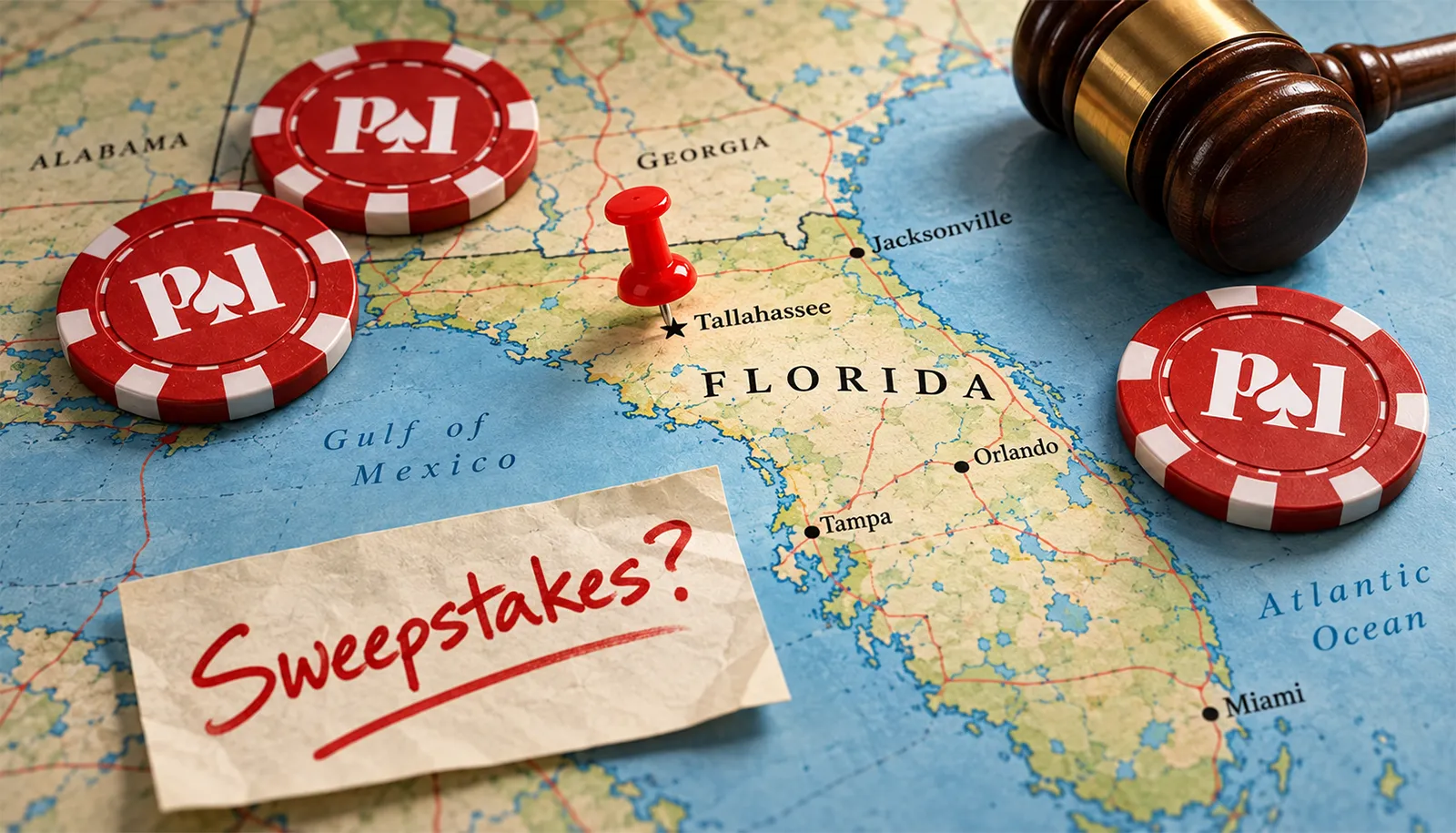
As of this month, Florida is joining their ranks, taking an albeit different route. Rather than waiting for a new law expressly banning the model, Attorney General James Uthmeier has moved against the operators themselves, their payment processors and, as of last week, the companies helping put their advertisements in front of Florida residents.
Google, Meta, Reddit, Snap and TikTok are now being asked to explain exactly how they intend to keep ads for sites including Stake, Chumba Casino, LuckyLand and Global Poker out of Florida.
Here’s the story.
Florida Wants Sweepstakes Casino Ads Off Big Tech
Late September, Uthmeier sent out letters to the five technology companies after his office said it had learned that sweepstakes casino ads may still be reaching users in Florida. The companies have until October 23, 2026 to respond.
In the letter sent to Google, Uthmeier asks the company to confirm in writing what steps it has taken to ensure it is no longer promoting the named sweepstakes casinos to Florida residents.
His position is doesn’t leave much room for debate: if Florida considers the underlying casino operation illegal, helping advertise is part of the problem.
Through these lawsuits, my office has made it clear that Florida will not tolerate illegal gambling, and we will pursue both those who operate and those who facilitate these criminal operations.
He goes further in explaining exactly how his office views the advertising side.
The letter states that the sites named by the Attorney General are not authorised to operate online casinos in Florida, adding that “the promotion and advertisement of such illegal gambling in Florida is similarly unlawful under Florida law.”
For Google specifically, Uthmeier concludes that the company therefore cannot advertise the sites to Florida users.
Stake and VGW Were Already on the Radar
In all fairness, last week’s letters aren’t coming out of the blue. They build on two lawsuits filed by Uthmeier’s office on August 19.
One targets Stake and companies involved in processing its payments. The other took aim at VGW, the operator behind Chumba Casino, LuckyLand and Global Poker, along with payment companies connected to those brands.
The argument coming out of the Attorney General’s office takes issue with sweepstakes business model. Players normally receive or purchase a standard virtual currency such as Gold Coins, while a second currency — generally Sweeps Coins or, in Stake’s case, Stake Cash — can be used in games and redeemed for prizes after meeting the applicable requirements.
If you ask operators, they’ll tell you that this structure is what makes their games promotional sweepstakes rather than conventional real-money gambling.
The Attorney General doesn’t see it that way.
If it looks like a casino, takes real money like a casino, and pays out like a casino, it is a casino—and it is illegal under Florida law. These companies have been preying on Floridians, including minors and seniors, with deceptive marketing, and 24/7 access, while dodging our state’s licensing, taxation, and consumer-protection requirements. They must be stopped.
This year, that same argument is being tested state by state almost on a weekly basis.
Other States Have Gone Straight for the Model
At the start of this article, we said Florida’s route is a little unusual mostly because other states have been much more direct.
California, for example, moved to shut the door on online sweepstakes casino games through legislation targeting the dual-currency model itself. The state’s AB 831 was signed in 2025, giving regulators a much clearer legal basis to go after operators offering casino-style games with redeemable prizes.
New York followed suit, with a tweak. Its law went beyond just casinos and targeted businesses helping them operate, including payment processors and gaming suppliers. New Jersey has taken its own swing at the model as well, treating qualifying pay-to-play sweepstakes as unlawful gambling while keeping protections for genuine promotional sweepstakes.
Even if Florida is going about it in a different way, for sweepstakes casinos, the result may end up looking all the same. Their US footprint has already been shrinking one state at a time, and Florida is now testing whether cutting off visibility can be another way of pushing the model back.

Popular News

Best Online Poker Room Promotions in September 2026

Titi Poker Takes Over as Triton’s Online Poker Sponsor for Season 5
Third Time’s a Charm: ACR Poker Handles Yet Another RTA Controversy
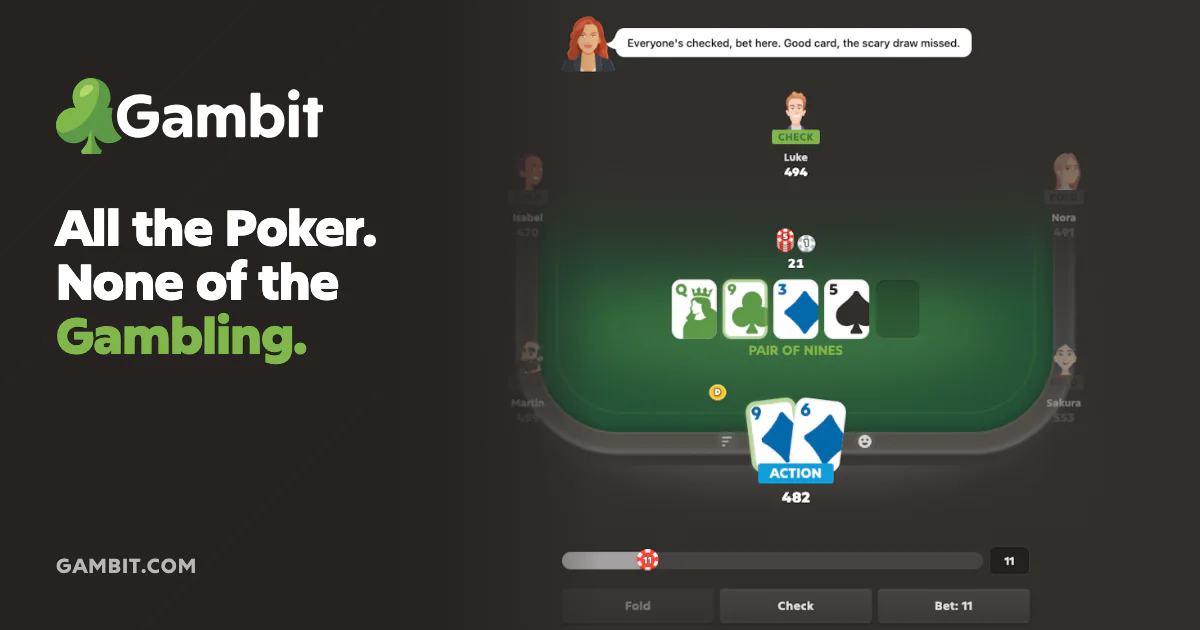
Chess.com Launches Poker Training Site and Poker Room Gambit.com
Latest News
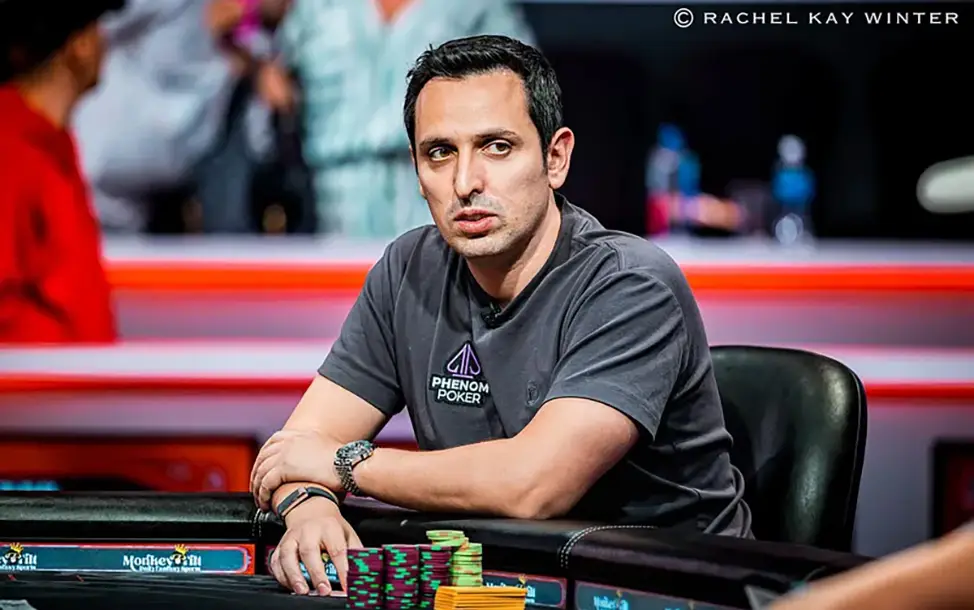
Sergio Aido Wins Record GGMillion$ WSOP Online Again ($2.2M)
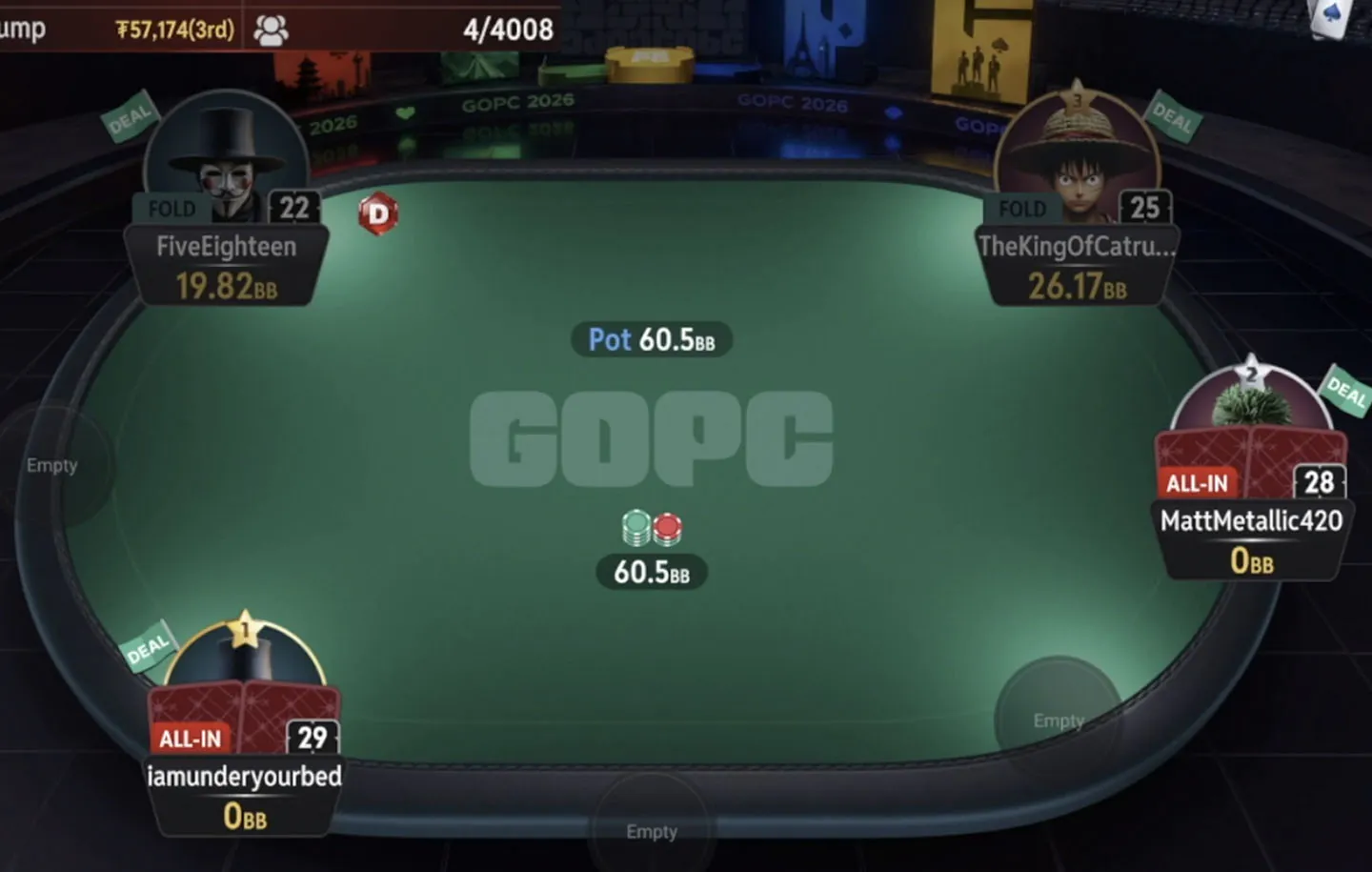
New CoinMillion Brings More Deal Drama at the Final Table
Two Big Wins and Three New Exclusives at McLuck in September



Log in to join the discussion
Share your thoughts and see what others have to say.