
 EN
EN  DE
DE How to Play Bingo at a Casino: A Beginner’s Step-by-Step Guide

 PokerListings
-
18+ | Play Responsibly | T&C Apply
-
 ChipnWIN Social Casino 15,000 GC + up to 100 SC
18+ | Play Responsibly | T&C Apply
-
 A1 Social Casino 1,000,000 GC
18+ | Play Responsibly | T&C Apply
-
 CrashDuel Casino 100% up to 200,000 GC + 50 SC
18+ | Play Responsibly | T&C Apply
-
 UpUp Casino 1,000,000 GC + 5 SC
21+ | Play Responsibly | T&C Apply


Commercial and tribal casino bingo halls across the United States run scheduled multi-hour sessions throughout the day for both regulars and first-time visitors. Grasping the basic rules takes only a few minutes, while understanding session structures, buy-in packages, electronic terminals, and hall rules ensures a seamless initial experience.
Fast Facts: Casino Bingo Basics
Understanding the fundamental elements of casino bingo helps players navigate their first session with confidence. The core rules and components remain consistent across most gaming venues:
- Core Objective: Complete specific marked patterns on unique 75-ball or 90-ball cards as numbers are announced by the caller.
- Card Formats: Choose between physical paper sheets marked with ink daubers or automated electronic touchscreen terminals.
- Buy-in Packages: Purchase session bundles at the hall cashier or automated entry kiosks prior to game start.
- Winning Triggers: Claim payouts immediately upon completing designated patterns ranging from single lines to full blackouts.
What Is Casino Bingo and How Does It Work?
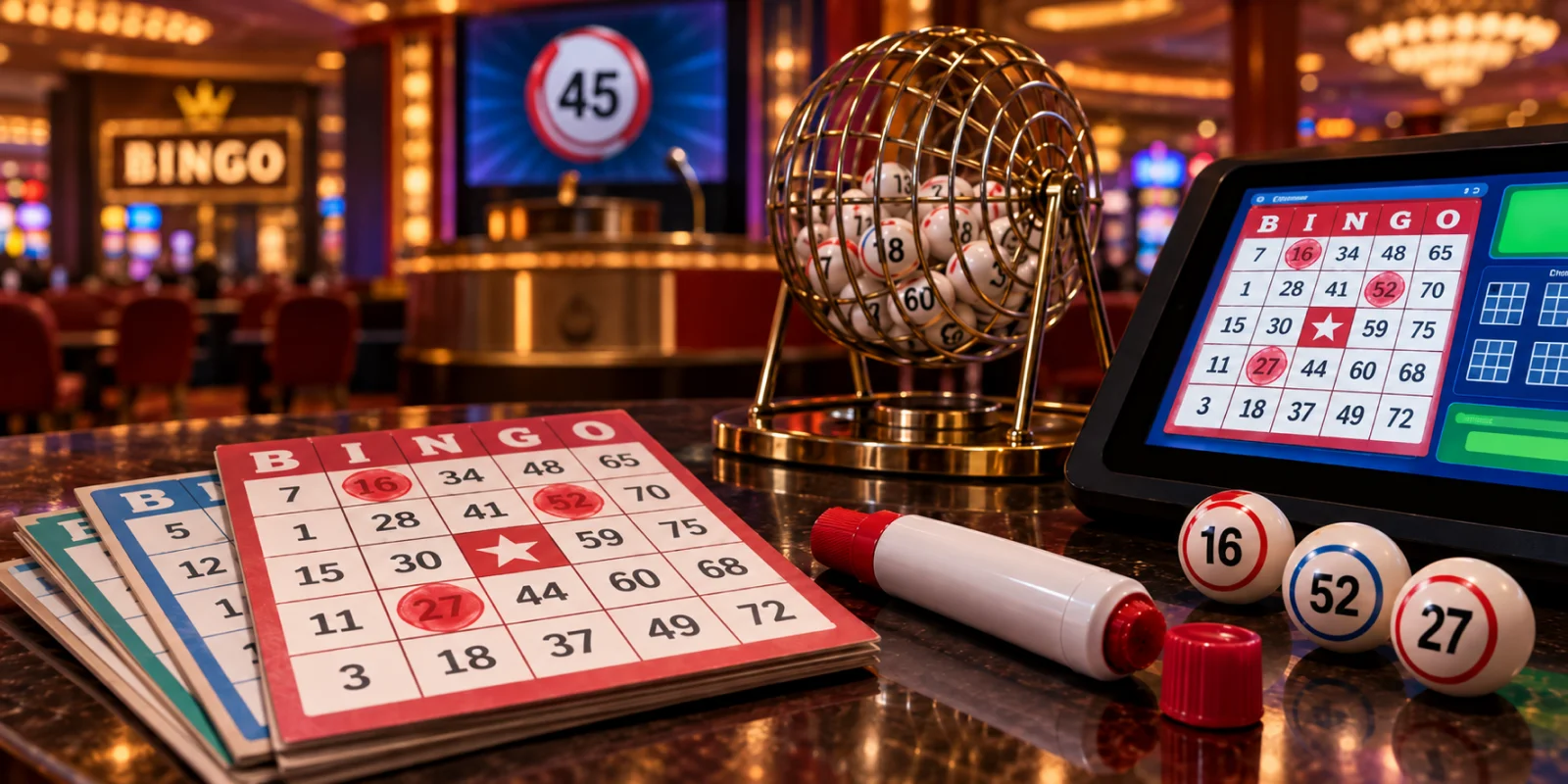
A standard bingo card in the traditional 75-ball format features a five-by-five grid beneath the letters B, I, N, G, and O, with a designated free space in the center. The B column holds numbers 1 through 15, I covers 16 through 30, N spans 31 through 45, G runs 46 through 60, and O finishes with 61 through 75. Every card contains a unique combination of digits.
Navigating the hall requires familiarity with standard operational terms:
- Bingo Caller: The official who draws and announces each ball over the audio feed and video monitors.
- Bingo Dauber: A specialized ink marker used to stamp matched numbers on paper sheets.
- Blackout (Coverall): A session round requiring every space on the card to be marked to win.
- Buy-in: The baseline fee paid to receive a package of cards for an entire multi-game session.
- Electronic Terminal: A touchscreen device that monitors and auto-marks dozens of digital cards simultaneously during active calls.
Understanding Casino Sessions, Game Types, and Progressive Jackpots
Casino bingo operates in structured blocks called sessions rather than standalone single games. A typical morning, afternoon, or evening session lasts two to three hours and comprises early bird warm-up games, main package games, and special high-payout rounds separated by a brief intermission.
Halls offer multiple game variants and high-value progressive add-ons across each session:
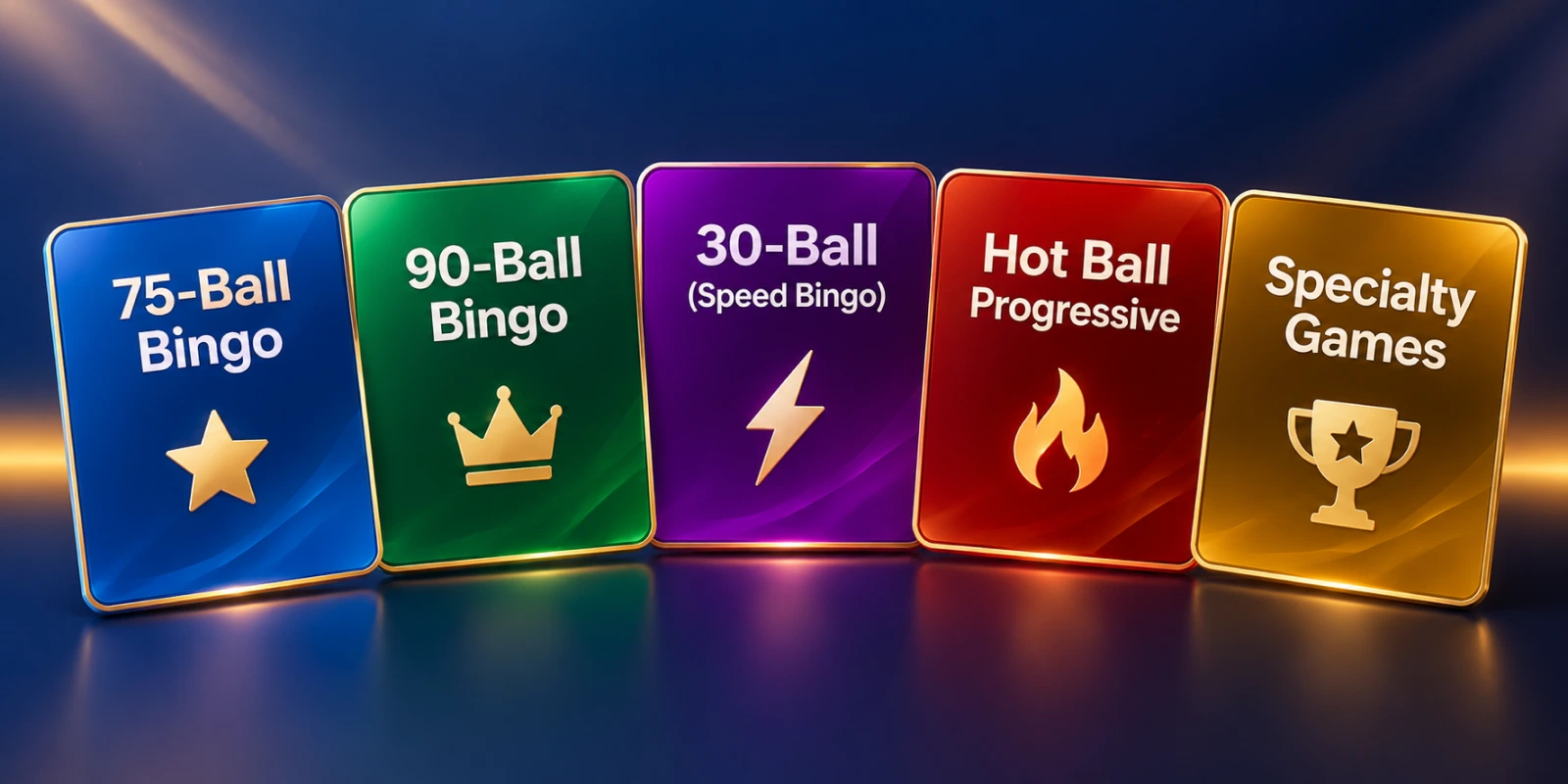
- 75-Ball Bingo: The standard American format utilizing the traditional B-I-N-G-O grid layout.
- 90-Ball Bingo: A popular variant featuring three rows and nine columns, paying out across single lines, double lines, or full house patterns.
- 30-Ball (Speed Bingo): A fast-paced game played on a small three-by-three grid where rounds finish in under two minutes.
- Hot Ball Progressive: An optional add-on purchased during buy-in. Before the session starts, the caller draws a designated Hot Ball number. If a player completes a valid winning bingo call on that exact ball number, they win the main jackpot plus the accumulated progressive pool.
- Specialty Games (Bonanza & Cashball): Coverall games played on sealed cards purchased separately from the main package, often offering massive progressive jackpots for completing a blackout within a strict maximum number of calls (such as 48 calls or fewer).
Buy-in Levels, Package Options, and Seating
Purchasing cards at a casino cashier involves choosing between paper card packs, electronic terminals, and payout prize levels. Understanding how package tiers work helps players select options that match their budget and target payouts.
Pay-Level Tiers
Halls often group paper packs and electronic cards into Level 1, Level 2, or Level 3 pricing (or Rainbow Packs containing all three). Higher level tiers cost more at the cashier, but they scale up the payout amount won for completing the exact same game pattern.
Paper Cards vs. Electronic Terminals
Paper cards require scanning and marking each call by hand using an ink dauber, making four to twelve cards the practical limit for most players. Electronic bingo units (often called TEDs or touchscreen terminals) load digital cards directly via a cashier receipt or player loyalty card. The software monitors 30 to 100+ cards at once, auto-daubing numbers as they are called and alerting the player when a card is one number away from a win.
Seating Considerations
Arrive 20 to 30 minutes before session start times to secure seating. Sitting within direct line-of-sight of the main caller stage and digital wall monitors makes following calls easier while leaving adequate table space for paper sheets, daubers, and electronic units.
Step-by-Step: How to Play a Round
Following standard floor procedures ensures valid claims and keeps the game moving at an even pace for the entire room:
Listen for the caller to announce the letter and number combination (such as “B-7”).
Scan your paper card for the matching square or monitor your electronic terminal display.
Stamp matched numbers with your ink dauber or allow the electronic system to register them automatically.
Track marked spots against the designated winning pattern displayed on overhead screens for that specific round.
Shout “Bingo!” loudly the moment your card completes the required pattern.
Remain seated while a floor clerk reads your card serial number to the caller for official console verification.
If a call is missed, check the overhead digital display boards located throughout the hall rather than asking neighboring players during active draws.
Common Bingo Patterns and Winning Configurations
Every round requires a specific pattern announced before play begins and displayed on hall monitors. Checking the board before each game avoids calling out on incorrect configurations.
Typical winning shapes include:
- Straight Lines: A single horizontal, vertical, or diagonal row across five spaces.
- Four Corners: Marking the extreme outer corner squares of the grid.
- Postage Stamp: A two-by-two block of four marked squares in any corner.
- Checkerboard or Letters: Marking specific shapes such as an “X”, “Block of Eight”, or “Top and Bottom Rows”.
- Blackout (Coverall): Marking all 24 numbers plus the center free space.
Hall Rules, Etiquette, and Tie-Breakers
Maintaining proper hall decorum keeps games fair and prevents invalidated winning claims. Strict rules govern floor conduct across all licensed venues:
- Silence During Calls: Refrain from side conversations while the caller is at the microphone so all players can hear numbers clearly.
- Immediate Winning Claims: Shout “Bingo!” immediately before the caller draws or speaks the next ball. If the caller begins announcing the next number, any claim on the previous ball may be invalidated under strict hall rules.
- Split Pots (Tie-Breakers): When multiple players complete the winning pattern on the exact same called number, the total cash prize for that round is divided equally among all verified winning cards.
- Regulatory Oversight: Licensed bingo halls operate under state gaming commission or tribal gaming authority oversight to enforce fair draw procedures, electronic auditing, and payout verification.
Tips and Strategies to Improve Your Odds
Managing card volume and selecting optimal session times directly influence winning probabilities:
- Increase Card Volume: Playing multiple cards increases mathematical coverage per draw. Electronic terminals allow managing 30 to 100 cards without missing calls.
- Select Off-Peak Sessions: Morning or weekday afternoon sessions feature lower crowd counts. Fewer competing cards in the room directly improves individual winning probabilities, though prize pools may scale accordingly.
Selecting the right session time balances ticket costs against potential prize pools and crowd size:
| Session Time | Typical Package Cost | Average Main Prize Pool | Competition Level |
|---|---|---|---|
| Morning | $10 to $15 | $100 to $300 | Low |
| Afternoon | $15 to $25 | $200 to $500 | Moderate |
| Evening | $25 to $40 | $500 to $2,000+ | High |
Avoidable First-Time Errors
New players can avoid common session pitfalls by staying focused throughout active rounds:
- Pattern Misalignment: Marking a line when the active round calls for four corners or a blackout.
- Delayed Claims: Hesitating to shout “Bingo!” before the caller draws or speaks the next number.
- Overextending Paper Cards: Purchasing more paper cards than can be manually scanned within the 10-to-15 second call interval.
Online Bingo: Enjoying the Game from Home
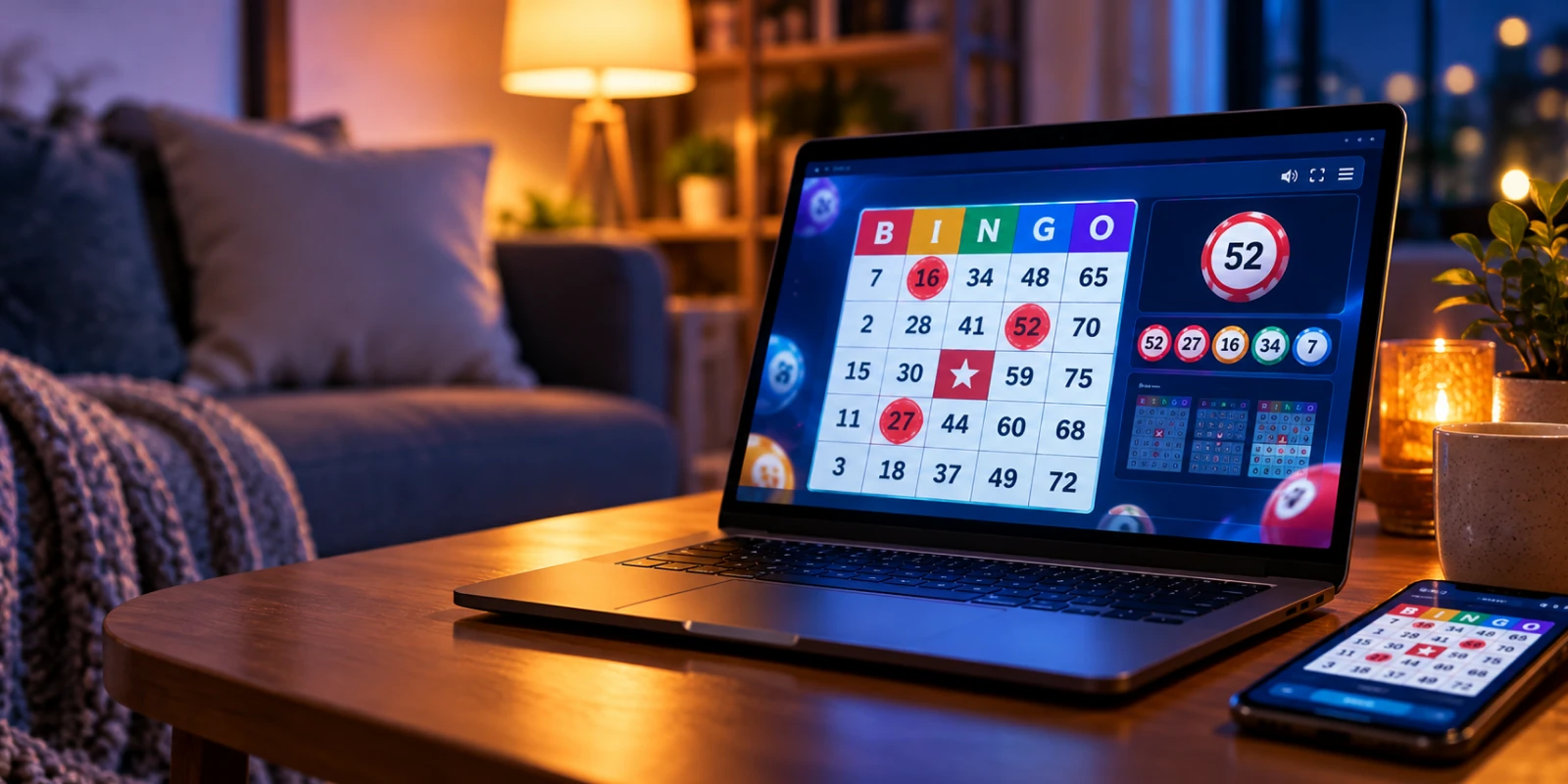
Online bingo brings the casino hall experience directly to desktop and mobile screens, providing a convenient alternative for players who prefer gaming from home. Virtual bingo rooms operate around the clock using certified Random Number Generation (RNG) software or live-streamed video feeds featuring real callers.
Players purchase digital card packages directly inside the game lobby before a round begins. The online software automatically tracks and marks called numbers on screen in real time, eliminating the possibility of missed calls or misheard numbers. Many modern iGaming platforms and new online casinos in Canada feature dedicated bingo rooms alongside traditional slots and live dealer games. Built-in live chat features allow players to interact with hosts and other participants, while automated mini-games and progressive online jackpots run alongside standard room draws.
Final Thoughts on Casino Bingo
Casino bingo combines simple game mechanics with a structured, social atmosphere across both physical halls and digital platforms. Starting with a comfortable card count, selecting off-peak session times, and adhering to basic hall etiquette creates a smooth experience for newcomers. Whether joining a live session at a tribal resort or playing online from home, understanding basic card structures and pattern rules is all it takes to jump into the action.
Frequently Asked Questions
How do you play bingo at a casino for beginners?
Purchase a card package at the cashier, sit in the bingo hall, and mark called numbers matching your card. Shout “Bingo!” as soon as your marks complete the round’s designated pattern.
How much does a casino bingo session cost?
Standard buy-in packages range from $10 to $40 depending on the session time, venue, and whether paper or electronic cards are selected.
What is the difference between paper cards and electronic bingo machines?
Paper cards require manual marking with an ink dauber for every call. Electronic machines display digital cards on a screen and automatically mark matching numbers across dozens of cards instantly.
What is a Hot Ball in casino bingo?
A Hot Ball is an optional progressive jackpot add-on. If you complete your winning bingo pattern on the specific Hot Ball number drawn at the start of the session, you win an additional progressive cash jackpot.
What happens if two players call Bingo at the same time?
When multiple players complete the winning pattern on the same called number, the round’s cash prize is divided equally among all verified winning cards.
Why is silence required in a casino bingo hall?
Background noise prevents players from hearing called numbers clearly. Maintaining quiet during active draws ensures everyone can follow the caller without missing numbers.
PokerListings 
Log in to join the discussion
Share your thoughts and see what others have to say.