Josh Arieh
Josh Arieh is not to be stepped to
By: Owen Laukkanen

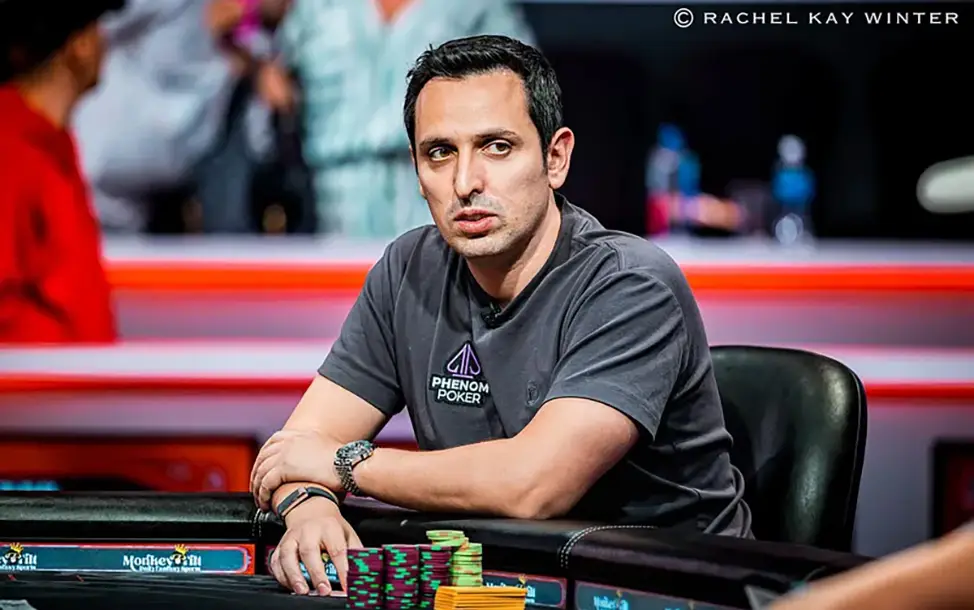
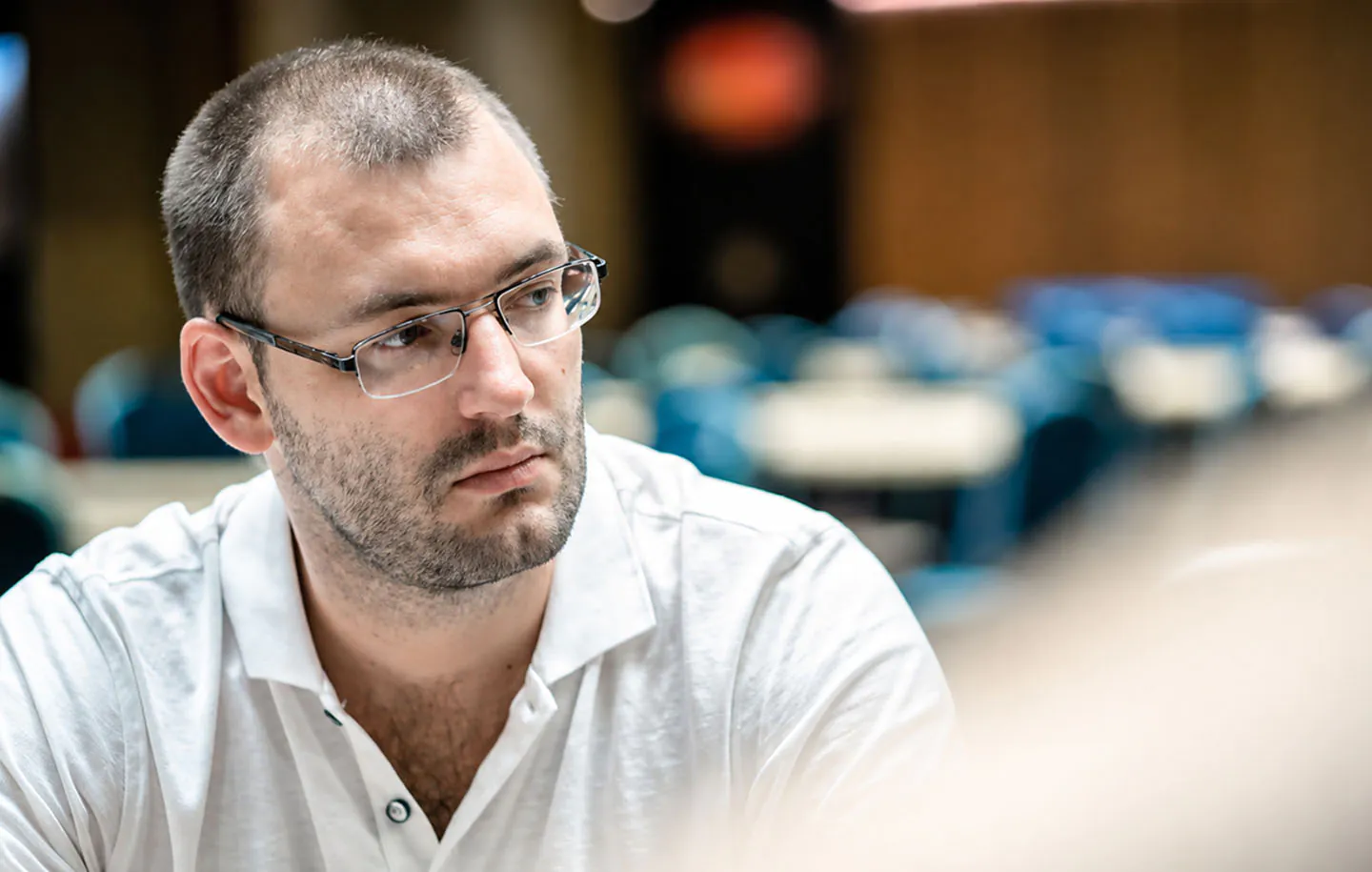
Team Bodog.com member Josh Arieh is seen as something of a bad boy of poker, his reputation stemming largely from a couple of well-publicized incidents that occurred during his third-place finish at the 2004 World Series of Poker Main Event.

Before play began on Day 2 of the EPT Grand Final, I got a chance to sit down with Josh for a PokerListings.com exclusive interview, and I found out that while he's not going to apologize for his competitive nature, behind that ultra-competitive, win at (almost) all costs mentality there's a devoted family man and a thoughtful, hardworking poker player dedicated to improving his game.

Thanks for taking the time to talk, Josh. How is the EPT going for you so far?

It's going pretty good. I feel like I'm playing my best. Whenever I travel off the beaten path, I seem to try harder - it's not like the regular everyday grind, so I've enjoyed it. It's good to be back; I've only played one tournament since the World Series of Poker, and everything seems to be great. I'm having fun, playing good and just trying to stay focused.

Is the style of play much different than what you'd see in the U.S.?

The thing that jumped out the most was the fact that it seemed that the European players enjoyed slow-rolling, like, enjoyed twisting the knife when they beat your hand. Like if you call them on the end you'll get the act that they had nothing and you made a great call - and then they'll flip up the nuts.

That would be infuriating.

Yeah, it happened about four times yesterday, and I don't understand it. Even as much as I screw with people at the table, I mean I don't do that. But I'm going to.

Are you?

Josh Arieh

I'm not going to do it to somebody that didn't show me poor etiquette, but when someone shows me poor etiquette, I'll be the first to do the same back. I mean, I come from the old school - cutthroat poker, man. (Laughs.) Maybe they still play that way here!

How do you deal with that sort of thing?

Yeah, just laugh it off and mark one down for them. I mean, I kind of like playing that way. The thing I love about competition is I love inflicting pain. Because I know how bad it hurts when I lose, so I want to make it hurt somebody else just as bad, and if it takes a little trash talk or pouring a little salt in the wounds, I enjoy that. I love the art of competition, and I think it's part of it.

Can we talk a bit about your history with poker? How did you get involved in the game?

I used to play a lot of pool, and everyone was trying to gamble and match-up playing pool, but they're always trying to match-up where they have an edge. But when the poolroom would close everyone would gather around the poker table and pull up a chair and play the worst poker ever. And I was one of them; I was playing just as bad.

And I just decided that I wanted to be good. I played a lot, and I paid a lot of dues. I've been broke so many times and I've gone broke so many times playing poker, I can't even count them.

But I started doing really well around Atlanta, and then in 1999 a friend of mine had been messing with the tournament circuit and told me to come to the WSOP, and I went out there and ended up beating an amazingly tough final table to win my first bracelet. But the thing was, I had no idea who the people were - I had no idea who Howard Lederer was, or Humberto Brenes, or John Juanda - so I didn't care.

Josh Arieh

I kind of went on from there, and I just made it a point to learn every time I played. And then in 2004 I came in third in the World Series, and that really helped me financially. It helped me bring my game to another level, and then in 2005 I signed on with Bodog.com, and I've been practicing playing online at Bodog for two years now.

I think that my online play in the poker community at Bodog.com has really tuned my game and given me the opportunity to see so many different situations and to learn another aspect of the game that you don't get while playing live.

When did you decide to make playing poker a career?

You know, I never did. I always played poker on the side, and if I had money, I didn't work. If I went broke, I'd go get a job and work two weeks until I got a little paycheck and then I'd be back gambling, playing poker or pool or something.

So there was never really a time where I just decided, well I'm going to play poker, but my best friend growing up put it this way - he told me, "Josh, if you go get a job, it costs you money," because I'd go and I'd earn 10 bucks an hour or something, but I wouldn't be able to stay out all night gambling, because I'd have to go to work the next day and make my $80.

It's always been in my blood. I've been gambling since I was 13, 14 years old, and I've enjoyed it. I love the rush, and it's a great living.

Josh Arieh

The thing that's weird about poker is that it gets every part of my brain going. I'm thinking about so many different things at once, and when you're in the zone playing poker, I wish you could get your brain scanned, because your mind is going a million miles an hour and you're not confused. It's a treat to be able to get in and have that much focus.

You're clearly a competitive guy, and you kind of had a reputation as a "bad boy" for a part of your career.

I mean, that's just me. I don't think of myself as a badass, but I'm not going to lay in bed at night and regret getting somebody off their game, because they're not going to pay my bills for me - I have family, I have kids, and I'm going to do whatever it takes within the rules.

I'm not going to be Mr. Nice Guy at the table and shake your hand, you know, because that same guy, if I go dead broke and I go ask him for a hundred dollars, he's not going to give it to me. I want to get that money now, and I'll do what it takes.

You talked about your first WSOP bracelet and your third-place finish in 2004. What would you say is your biggest poker accomplishment?

My biggest accomplishment is my second bracelet in Pot-Limit Omaha in 2005. It was the year after my finish in the Main Event, and it was in my best game, and I was clearly touted as the underdog because I was playing Chris Ferguson. It just felt good to win - my wife was there, and I expected to win and I went out and did it.

Like I said, Pot-Limit Omaha is my best game, and it was kind of cool expecting to win and going in there and just getting the job done, and not just accepting the consequences. Not just going to the table and thinking, if I finish fifth I'm OK, it pays this much money. I went to win, and I did it, and it was the greatest feeling. I can't wait to do it again.

Can you talk about what it's like to be a member of Team Bodog?

Josh Arieh

I love it. The places it has taken me, I mean, we've gone to Hawaii, stayed at some crazy hotel that I'm sure was just super-expensive, and mingled with all the rich folk. It was kind of cool. And then we've been to Costa Rica, and that was amazing, seeing Calvin Ayre's house and hanging out with him.

And then just playing for Team Bodog, I love it.

Do you get to network with the other members of the team very much?

Yeah, me and David Williams are close. We haven't talked as much because my wife and I just had another baby, so I've been at home helping out around the house and trying to keep my life even. With my firstborn, I was back on the road within a week going to work, because we weren't doing too great financially, but luckily now with the boom of Internet poker, I've been able to stay home and be with my family and work at the same time.

David Williams

But when I'm on the road, David and I are close. We talk a lot, we share a lot of strategy and we lean on each other. It's great to be a part of this together.

I don't get a chance to talk to Evelyn (Ng) as much as I'd like to, but whenever we're around each other we have a lot of fun. She's really laid back, just a cool person.

You mentioned the boom in Internet poker. What are your thoughts on the UIGEA?

I think it's really unfair, as does everybody else. Everybody knew this was coming - it wasn't like we were just blindsided - and with all the money that's made in the online world, it should not only have been the sites' jobs to do something about it, but also ours as players.

I mean, it's a right that we enjoy, and I love the fact that I can sit down on my couch for four hours a day and work, and turn off my computer and have my kids right there. I don't have to drive to Biloxi or fly to Las Vegas; I get to work from my couch, and just knowing that that's being taken away not only bothers me, but it really saddens me. It's going to be a huge life change as these laws go into effect. I'm hoping something can be done for more reasons than one.

Have you felt any of the effects so far?

Absolutely. Online poker is down, and the only people who really have money online are the hard-core players. Nowadays all you hear about are people playing for a living online, because there's not just your average Joe who puts money on his credit card onto a site because he enjoys playing poker. That just doesn't happen anymore. So the games are tougher and your hourly rate is going to go down, but you have to put your nose to the grindstone and just play a little harder.

You mentioned you and your wife just had another child. How does having a family affect your mind-set as a player?

Josh Arieh and wife Angela

I love it. It keeps me even. I love being able to play for somebody else. If I were playing just for myself, a lot of the time I would just be like, screw it, I don't care, but knowing that there are people out there who want me to win more than I want to win, it's great having those people to lean on. And when I go home from a bad day, I open the door and see the smile on my kids' faces and get a hug from my wife, and I just totally forget about a bad day at work. I'm very fortunate to have what I have.

* * * * * * * * * * *

It turns out Day 2 was a fortuitous day to talk to Arieh, as he left our interview and headed straight to the felt, where he mopped the floor with his opponents for six levels and nearly 12 hours of poker. Arieh started comfortably in the upper half of the field, but by day's end had amassed almost $350,000 in chips and was battling for a share of the chip lead.

The outright leader at day's end is Andy Black with $517,000, while Carlos Mortensen, Chad Brown, Thomas Wahlroos, David "Devilfish" Ulliott and Joe Beevers are among the 88 players still in contention. Join Arieh and the rest of the survivors on PokerListings.com's legendary live updates pages from Monte Carlo, starting at 2 p.m. (CET) tomorrow.

Comments

0
Leave Your Comment